Tooth Fillings: Assessment, Costs and Ongoing Care
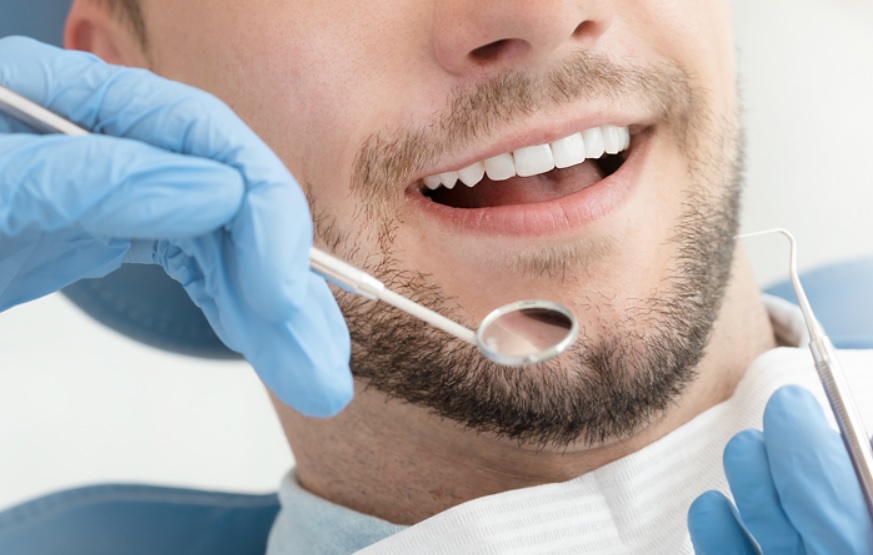
2 August 2021 Images are included for general illustration and do not establish or predict an individual treatment outcome. Symptoms do not show the whole problem Tooth decay may be present before a tooth becomes painful. A dental examination, with imaging when indicated, helps establish the location and extent of a problem. Sensitivity or toothache can have other causes, so symptoms alone cannot determine which treatment is needed. Early mineral loss and an established cavity are not the same. Preventive measures may help manage an early lesion, while a cavity may require restoration. Ask your dentist which finding applies to your tooth and how it will be monitored or treated. Understand the procedure and estimate For a filling, the dentist prepares the affected tooth and places a suitable restoration. Local anaesthetic may be used. The material, number of surfaces, condition of the tooth and complexity influence the appointment and fee; there is no single duration or price for every filling. Ask for a current written estimate from Sydney CBD Dentistry, including any separate assessment or imaging. If you have health cover, use the proposed item numbers to check benefits with your fund. Ask how a change in findings or treatment scope would be explained. Care continues after a filling Temporary sensitivity can occur. Contact the practice if your bite feels uneven, pain persists or worsens, or the restoration chips or comes loose. A deeply decayed tooth may still require further treatment despite being filled. Fillings are not permanent protection against decay. Continue daily brushing and cleaning between teeth, and follow an individual review plan. Ask about alternatives, expected limitations and the consequences of postponing needed care. You may wish to seek a second opinion from an appropriately qualified dental practitioner before invasive treatment. Related articles Dental Filling Costs: Materials and Treatment Scope What Affects the Cost of a Dental Filling? Preventive Dental Care: A Plan for Your Oral Health This article provides general information only. An examination is needed to assess your circumstances and suitability for treatment. All dental treatment carries risks, and results vary between individuals.
Root Canal Symptoms: When to Seek Dental Advice

6 December 2019 Toothache does not always mean that root canal treatment is needed. Pain, sensitivity or swelling can have several causes. A dentist needs to examine the tooth and may recommend tests or X-rays before discussing treatment. Symptoms to have assessed Persistent tooth pain, pain when biting, prolonged sensitivity to hot or cold, swelling or a recurring gum swelling near a tooth should be assessed. An infected or damaged tooth may sometimes cause little pain, so the absence of severe symptoms does not establish that it is healthy. If you develop facial swelling, fever or feel unwell with a dental problem, seek urgent advice. Call 000 or go to an emergency department if swelling affects breathing or swallowing. Do not wait for a routine appointment in that situation. What root canal treatment involves The pulp inside a tooth contains nerves and blood vessels. If it becomes infected or irreversibly inflamed, root canal treatment may be an option to retain the tooth. The dentist removes affected tissue, cleans and seals the canals, and plans the restoration needed to protect the tooth. Treatment may involve more than one appointment. Risks and other choices Discomfort can occur during recovery. Treatment can fail or infection can persist or return, and further treatment or extraction may be necessary. A tooth can fracture; the dentist will explain whether a crown or another restoration is appropriate. Referral to an endodontist may be recommended for complex cases. Extraction may be an alternative when a tooth cannot reasonably be retained. Delaying necessary care can allow the problem to worsen. Ask what could happen if you postpone or decline treatment, rather than assuming that improvement in pain means the cause has resolved. Preparing for an appointment Describe when the symptoms began, what triggers them and any swelling or injury. Bring your medication list and medical history. Ask about the diagnosis, options, risks, proposed visits and follow-up so you can make an informed decision. For invasive or irreversible treatment, you may wish to seek a second opinion from an appropriately qualified health practitioner before deciding. Related articles Toothache at night Tooth abscess symptoms Planning root canal treatment This article provides general information only. An examination is needed to assess your circumstances and suitability for treatment. All dental treatment carries risks, and results vary between individuals.
When Do Dental Fillings Need Replacing?

2 December 2019 There is no universal replacement schedule Fillings can wear or become damaged over time, but age alone is not a reason to replace every restoration. A dentist considers its condition, the surrounding tooth and your symptoms. A filling that appears discoloured may still function adequately. Bookings are with our dentist in Sydney CBD at 70 Pitt Street. The original material and size matter, along with bite forces and oral health. Avoid relying on a promised lifespan or a fixed replacement timetable. Ask what the examination shows about your particular tooth. Reasons a dentist may recommend treatment A broken or loose filling, a defect that traps food, decay around the restoration or a fracture in the tooth can require care. Pain when biting and persistent temperature sensitivity also warrant assessment, but they do not identify the cause on their own. Decay around a filling does not automatically establish that the original treatment was performed incorrectly. Disease risk and the condition of the tooth can change. The dentist may recommend X-rays or other tests to understand the findings. Monitoring and repair are sometimes options A small defect may be suitable for repair, and an area without active disease may be monitored. In other circumstances the filling needs replacement or a different type of restoration. The choice depends on access, material, remaining tooth structure and the extent of damage. Ask why a full replacement is recommended rather than a repair. Removing a restoration may also remove some tooth tissue, so the benefits and risks should be weighed. Choosing observation requires a clear review plan and an understanding of what symptoms to report. What to expect after treatment Sensitivity or a change in how the bite feels can occur after a filling is replaced. Follow the dentist’s instructions and return for advice if discomfort persists or increases. A deeper problem may become apparent during treatment and require a revised plan. Continue brushing with fluoride toothpaste and cleaning between teeth. Avoid chewing hard objects and discuss grinding if relevant. Seek prompt dental advice for a loose fragment, increasing pain or swelling. A review helps establish the cause without assuming that every symptom requires another filling. Related articles Caring for filled teeth Preventive dental care Assessment of deeper tooth problems This article provides general information only. An examination is needed to assess your circumstances and suitability for treatment. All dental treatment carries risks, and results vary between individuals.
Mini and Standard Implants: What to Compare

24 September 2019 Images are included for general illustration and do not establish or predict an individual treatment outcome. Compare the proposed use Mini and standard implants differ in diameter, and systems can also differ in components and intended use. The relevant question is how a proposed system suits the available bone, bite and replacement teeth. Ask your clinician to explain the design and its limitations for your case. A smaller implant should not be assumed to replace a standard implant in every situation or to make grafting unnecessary. Ask what alternatives were considered and what evidence supports the plan. Consider cleaning and future repairs Find out whether the teeth would be fixed or removable, how they connect to the implants, and what daily cleaning involves. Ask which attachments or other components may require maintenance and how replacements would be obtained. Compare the whole treatment estimate, including the number of implants, the prosthesis, any additional procedures and review appointments. A lower component price does not establish a lower total cost. Suitability and the ability to maintain the restoration matter alongside fees. Both options require informed consent Implant surgery can cause pain, swelling, bleeding or infection. Other risks include failure to integrate with the bone and injury to nearby teeth, nerves or the sinus. Gum and bone problems or loose and damaged components can develop later. Ask which risks apply to your proposed treatment. Discuss alternatives such as a suitable bridge or removable denture, and whether leaving the space under review is reasonable. Before invasive or irreversible treatment, you may wish to seek a second opinion from an appropriately qualified dental practitioner. Related articles Mini Dental Implants: Questions About Suitability Replacing Several Teeth with Implant-Supported Teeth Is a Dental Implant Suitable for You? This article provides general information only. An examination is needed to assess your circumstances and suitability for treatment. All dental treatment carries risks, and results vary between individuals.
Single-Tooth Implant Costs: Reading Your Estimate

17 September 2019 Images are included for general illustration and do not establish or predict an individual treatment outcome. One replacement tooth involves several parts A single-tooth implant plan generally includes an implant in the bone, a connecting component and a crown. Ask whether each part is included in the estimate and who provides it. Assessment and imaging may be listed separately. The condition of the site matters. If extraction, grafting or a temporary tooth is proposed, ask whether it is required and how it changes the appointments, healing and fee. A quote for uncomplicated placement may not describe your needs. Ask about future costs Check which reviews are included and how later cleaning, repairs and component replacement are handled. The crown can need attention separately from the implant. No fixed lifespan or maintenance-free result can be promised. Contact Sydney CBD Dentistry for an individual estimate and confirm any insurance benefit using the proposed item numbers. Historical package prices and broad market ranges do not establish your current out-of-pocket cost. Compare the complete plan with suitable alternatives. Understand the procedure before deciding Implant surgery can cause pain, swelling, bleeding or infection. Other risks include failure to integrate with the bone and injury to nearby teeth, nerves or the sinus. Gum and bone problems or loose and damaged components can develop later. Ask which risks apply to your proposed treatment. Discuss alternatives such as a suitable bridge or removable denture, and whether leaving the space under review is reasonable. Before invasive or irreversible treatment, you may wish to seek a second opinion from an appropriately qualified dental practitioner. Related articles Understanding the Parts of a Dental Implant Why Dental Implant Treatment Costs Vary Comparing Dental Implant Costs Per Tooth This article provides general information only. An examination is needed to assess your circumstances and suitability for treatment. All dental treatment carries risks, and results vary between individuals.
Is a Dental Implant Suitable for You?
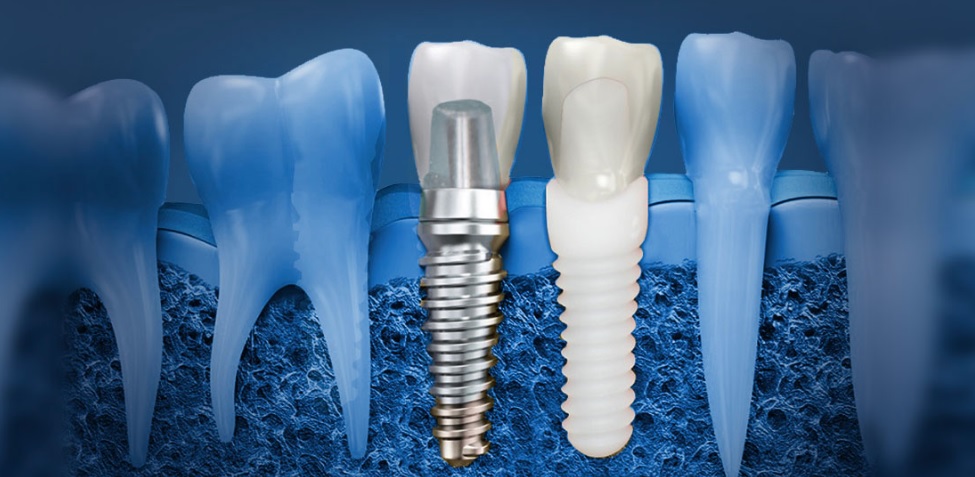
10 September 2019 Images are included for general illustration and do not establish or predict an individual treatment outcome. There is no universal preferred option An implant may be one way to replace a missing tooth, but it is not the best option for every person. Assessment should consider the reason for tooth loss, the remaining teeth, gum and bone health, your medical history and your priorities. Ask what problem the proposed treatment is intended to address. A bridge, denture or review of the space may be appropriate in some circumstances. If a natural tooth is still present, discuss whether it can be retained and why extraction may or may not be needed. Match the plan to your circumstances Discuss the appointments, surgery, healing and daily cleaning involved. Tell the dentist about your medicines, smoking and health conditions. Ask how these could change the balance of benefits and risks and whether further advice or referral is needed. Request a written estimate and explanation of maintenance. Advertising terms, photographs or quoted success rates cannot predict your result. Take time to understand the uncertainties instead of deciding from a price or promised appearance alone. Discuss risks before consenting Implant surgery can cause pain, swelling, bleeding or infection. Other risks include failure to integrate with the bone and injury to nearby teeth, nerves or the sinus. Gum and bone problems or loose and damaged components can develop later. Ask which risks apply to your proposed treatment. Discuss alternatives such as a suitable bridge or removable denture, and whether leaving the space under review is reasonable. Before invasive or irreversible treatment, you may wish to seek a second opinion from an appropriately qualified dental practitioner. Related articles Dental Implants and Dentures: Comparing Options Choosing a Clinician for Dental Implant Assessment Dental Implant Costs: Weighing the Whole Decision This article provides general information only. An examination is needed to assess your circumstances and suitability for treatment. All dental treatment carries risks, and results vary between individuals.
The Dental Implant Process: Stages and Timing

30 August 2019 Images are included for general illustration and do not establish or predict an individual treatment outcome. Begin with assessment and preparation The dentist assesses your mouth, health and proposed tooth replacement. Imaging may help plan the position of an implant in relation to bone and nearby structures. Gum disease or other dental problems may need care first. If grafting or extraction is proposed, ask how it affects the sequence. There is no single timetable that applies to every implant. Ask for a plan showing the expected stages, review points and possible reasons for delay. Placement, healing and the replacement tooth The implant is placed surgically into the jawbone. Healing and integration take time, and the clinician checks progress before the next stage. A connecting component and replacement tooth or prosthesis are then provided according to the treatment design. Some plans involve additional appointments or procedures. Ask what temporary tooth replacement may be possible, what you can eat, and when normal activities can resume. Follow your own aftercare instructions. A temporary restoration does not mean the implant has completed healing or can tolerate unrestricted use. Allow for uncertainty and follow-up Implant surgery can cause pain, swelling, bleeding or infection. Other risks include failure to integrate with the bone and injury to nearby teeth, nerves or the sinus. Gum and bone problems or loose and damaged components can develop later. Ask which risks apply to your proposed treatment. Recovery differs between people, and complications can change the plan. Ask whom to contact for increasing pain, swelling, bleeding or a loose restoration. Discuss alternatives such as a suitable bridge or removable denture, and whether leaving the space under review is reasonable. Before invasive or irreversible treatment, you may wish to seek a second opinion from an appropriately qualified dental practitioner. Allow for healing and reviews Implant treatment commonly involves several stages over months. Ask which stage each appointment covers, how healing will be assessed and whether additional procedures could change the timetable. Discuss short-term recovery separately from the time needed before the final replacement tooth is fitted. Further reading Healthdirect: dental implant procedure provides general patient information about this treatment. Discuss how it applies to your circumstances with your dentist. Related articles Understanding the Parts of a Dental Implant Dental Implant Maintenance and Long-Term Care Choosing a Clinician for Dental Implant Assessment This article provides general information only. An examination is needed to assess your circumstances and suitability for treatment. All dental treatment carries risks, and results vary between individuals.
Why Dental Implant Treatment Costs Vary

27 August 2019 Images are included for general illustration and do not establish or predict an individual treatment outcome. Different clinical needs mean different plans The location of a missing tooth, the available bone and the planned replacement tooth can affect treatment. Some people need other dental care before implant placement. If grafting or another additional procedure is suggested, ask why it is needed, what it involves and what alternatives exist. Materials and components are part of the plan, but their names do not predict an individual outcome. Ask how the proposed design suits your bite, cleaning needs and the space being restored. Separate the stages in the quote Ask for an estimate that distinguishes assessment and imaging, surgery, connecting components and the crown, bridge or denture. Check any separate referral, anaesthetic, temporary tooth and review fees. Confirm health-fund benefits directly rather than assuming that a particular component is covered. Sydney CBD Dentistry can provide current information after assessment. Older price ranges and package amounts should not be treated as current fees. Also discuss maintenance and what would happen if an implant or restoration required further treatment. Consider the whole treatment Implant surgery can cause pain, swelling, bleeding or infection. Other risks include failure to integrate with the bone and injury to nearby teeth, nerves or the sinus. Gum and bone problems or loose and damaged components can develop later. Ask which risks apply to your proposed treatment. Discuss alternatives such as a suitable bridge or removable denture, and whether leaving the space under review is reasonable. Before invasive or irreversible treatment, you may wish to seek a second opinion from an appropriately qualified dental practitioner. Related articles Dental Implant Estimates: What Should Be Included? Tooth Replacement After Extraction: Costs and Choices Single-Tooth Implant Costs: Reading Your Estimate This article provides general information only. An examination is needed to assess your circumstances and suitability for treatment. All dental treatment carries risks, and results vary between individuals.
Dental Crowns: Benefits, Risks and Alternatives

2 July 2019 Images are included for general illustration and do not establish or predict an individual treatment outcome. What a crown may offer A crown covers a prepared tooth and may help restore function when the remaining tooth is extensively damaged. It may also be considered after root canal treatment. The expected benefit should relate to the individual tooth and the findings from an examination. A crown is not a replacement for healthy natural enamel in every situation. It should not be assumed to prevent all future problems or to be necessary for a small defect that could be managed another way. What treatment can involve Making space for a crown generally requires irreversible removal of tooth structure. The tooth can become sensitive, and some teeth need root canal treatment later. Gum irritation, problems with the bite, loosening, chipping or fracture can also occur. Decay may develop at the margin or beneath a crown. Tell your dentist about known allergies and ask about the proposed materials. No material or technique can eliminate all risks, and future repair or replacement may be needed. Compare the alternatives Depending on the extent of damage, options may include a filling, a partial-coverage restoration or monitoring. If the tooth cannot be restored, extraction and possible replacement may need discussion. When treatment is solely for appearance, choosing no treatment is an option. Ask what is likely to happen if you delay or decline the recommended care, what follow-up is needed and which symptoms should prompt a review. You should have an opportunity to understand the expected benefit, costs and limitations before deciding. For complex restorative work, referral to a prosthodontist may be appropriate. Before proceeding with invasive treatment, consider seeking a second opinion from an appropriately qualified dental practitioner. Related articles Porcelain Crowns: Materials and Considerations Dental Crown or Bridge: Understanding the Difference Dental Crown Costs: Questions for Your Treatment Plan This article provides general information only. An examination is needed to assess your circumstances and suitability for treatment. All dental treatment carries risks, and results vary between individuals.
Dental Fillings: Choosing a Suitable Restoration
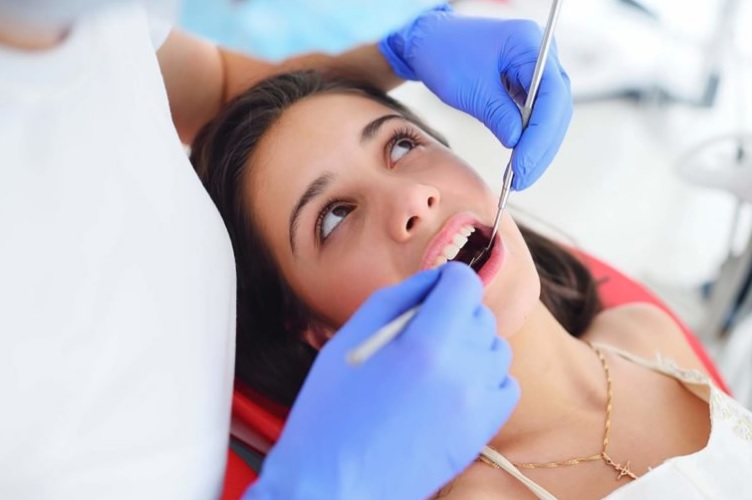
25 June 2019 Images are included for general illustration and do not establish or predict an individual treatment outcome. The tooth determines the options A filling replaces tooth structure lost through decay or damage. An examination helps determine whether a filling is appropriate and how much of the tooth can be retained. A small chip and a deep cavity may require different approaches. The decision takes account of the size and position of the affected area, your bite and the condition of the remaining tooth. There is no single filling material that suits every situation. Discuss materials and alternatives Composite resin and glass ionomer are examples of filling materials. They have different properties and uses. Ask which material is proposed, why it is appropriate and what its limitations are. A tooth-coloured appearance does not establish the restoration’s durability or suitability. For more extensive damage, an inlay, onlay or crown may be considered. If the pulp is affected, a filling alone may not address the problem. Some early decay can be managed preventively, while an established cavity may need a restoration. Ask whether monitoring is reasonable and what could happen without treatment. After a filling Sensitivity or an uncomfortable bite can occur after treatment. Contact your dentist if discomfort worsens or does not settle, or if the filling feels loose or breaks. Deep damage may lead to further treatment despite a restoration. Fillings can wear, fracture or develop problems around their edges. Cleaning, fluoride toothpaste and ongoing reviews remain important. A colour change alone does not always mean a filling must be replaced. Your dentist can discuss repair where suitable and referral if the problem needs additional assessment. Confirm the fee and follow-up Ask which filling material is proposed, what the fee includes and whether further treatment could be needed if the damage is deeper than expected. Confirm how to contact the practice about a persistent sensitive tooth or an uncomfortable bite. Further reading Healthdirect: dental fillings provides general patient information about this treatment. Discuss how it applies to your circumstances with your dentist. Related articles Caring for Dental Fillings: Everyday Considerations When Do Dental Fillings Need Replacing? Dental Crowns: Planning Treatment in Sydney CBD This article provides general information only. An examination is needed to assess your circumstances and suitability for treatment. All dental treatment carries risks, and results vary between individuals.