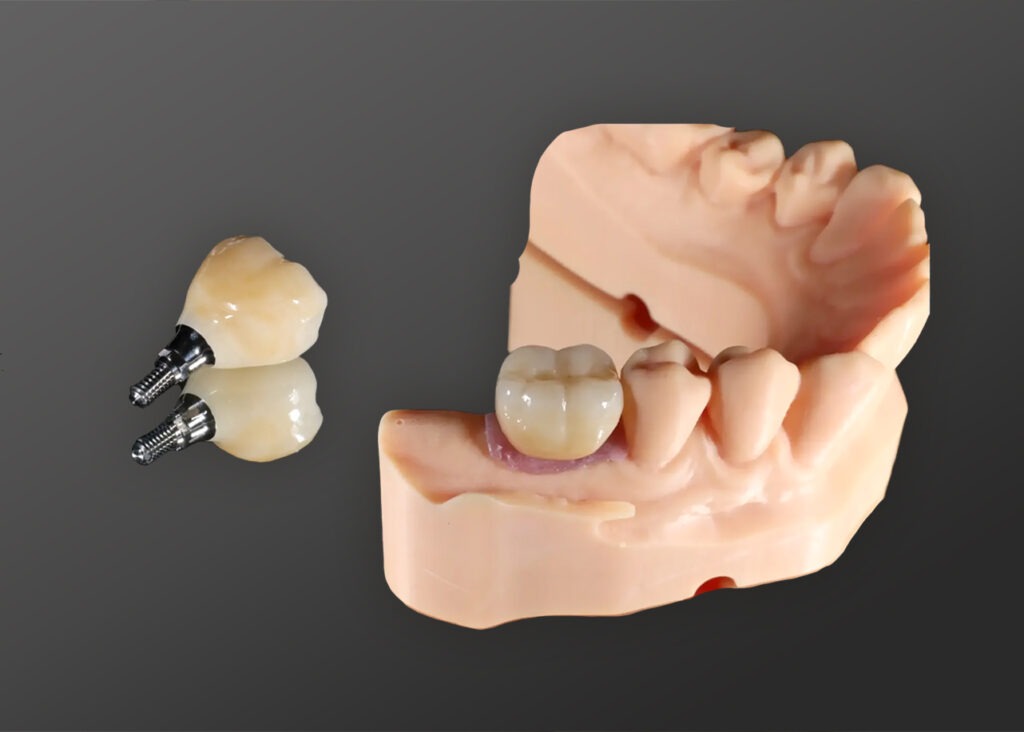
A dental implant is placed in the jawbone to support a replacement tooth or teeth. Depending on the treatment plan, it may support a crown, bridge or denture.
Implant treatment involves surgery and is not suitable for everyone. Assessment considers your oral health, bone, medical history and treatment preferences. An implant can avoid preparing neighbouring teeth for a conventional bridge, but it has its own surgical and maintenance risks.
Discuss expected benefits, limitations, recovery, costs and alternatives, including a bridge, removable denture or no replacement where appropriate.
Your dentist will explain the proposed implant and restoration, timing and fees after assessment. Ask whether imaging, extractions, grafting, temporary teeth and review visits are included. Some cases require specialist referral.
Implant costs depend on the number and type of restorations, surgical complexity and any additional care. Ask for an itemised estimate before deciding on treatment.
Risks include pain, swelling, bleeding, infection, injury to nearby teeth, nerves or sinuses, failure to integrate with bone and later implant or restoration failure. Bone or gum grafting carries additional risks and healing requirements.
Implants need long-term cleaning and review. Gum and bone disease, loose components, fracture or wear may require further treatment and expense. No implant or restoration has a guaranteed lifespan.
Any surgical or invasive procedure carries risks. Before proceeding, you should seek a second opinion from an appropriately qualified health practitioner.
Implant-supported restorations may improve chewing and replace missing teeth in suitable patients. Appearance, comfort and function vary.
A missing tooth can be managed in several ways. Your dentist can compare an implant, bridge, denture or leaving the space where appropriate, based on your oral health and preferences.
Implants support a restoration in the jawbone. Treatment stages and materials depend on the proposed plan. Ask about the specific system, its limitations and maintenance needs.
Suitability depends on factors including available bone, gum health, medical conditions, medicines, smoking and your ability to maintain the implant. A dental assessment is needed; these factors do not provide a diagnosis or eligibility decision by themselves.
Dental implants are commonly made from titanium or titanium alloys. Ask your treating dentist about the proposed implant material and any relevant allergy or medical considerations.
Treatment commonly takes several stages over months. The implant is placed surgically, followed by a period of healing and assessment before the planned restoration is fitted. Timing depends on your bone, healing, implant stability and any grafting.
An implant needs a suitable restoration, such as a crown, bridge or denture. Your dentist will explain the proposed design, materials, number of appointments and fees as part of the treatment plan.
Pain, swelling, bruising or bleeding can occur after surgery. Initial symptoms and overall bone healing follow different timelines, and recovery varies. Follow your clinician’s instructions on diet, cleaning, medicines and review appointments.
Contact the practice about worsening pain, persistent bleeding, fever, swelling or a loose component. Long-term cleaning and professional review are needed to monitor the implant and surrounding tissues.
Bone can change after tooth loss, but an implant is not automatically required. Your dentist will assess the space, surrounding teeth and bone and explain the timing and implications of each option. Take time to make an informed decision.
These treatment images show individual examples and do not predict your outcome.
Suitability, risks, recovery and results vary. Discuss the options with your dentist before deciding on treatment.
Contact Sydney CBD Dentistry on (02) 8090 1105 to ask about current fees. Your dentist can provide an individual treatment estimate after assessment.