
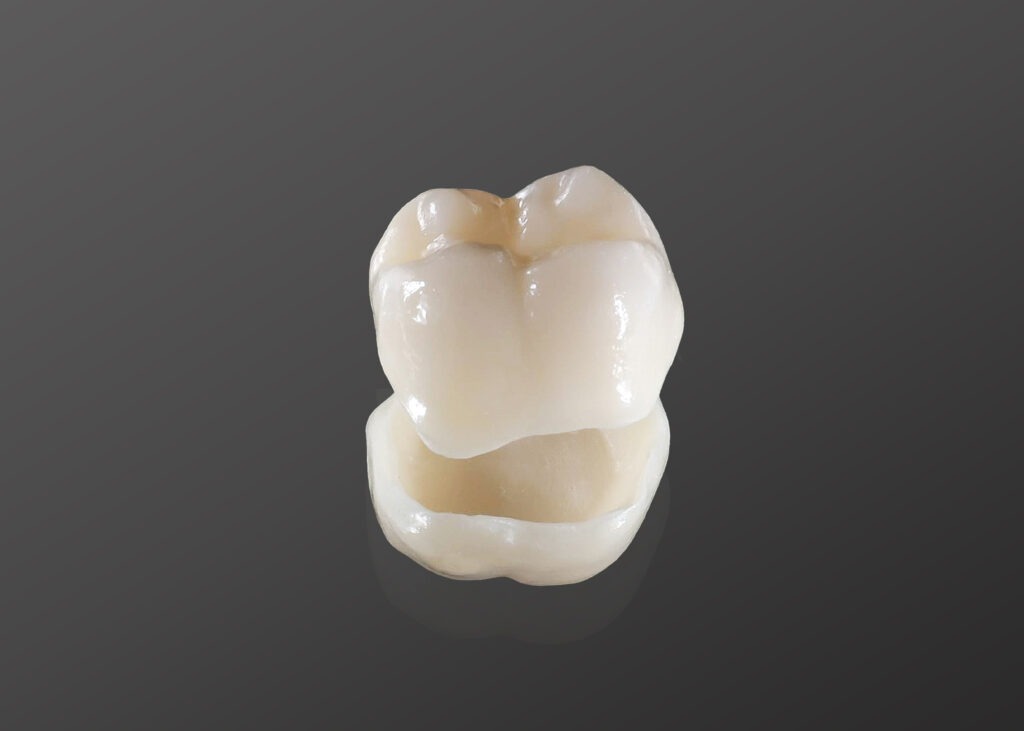
Dental Crowns are used to repair teeth that have been worn down due to grinding, an improper bite, age, fillings and tooth decay. When the entire surface of a tooth is a problem, but the root system is intact, a tooth crown may be suggested. They cover the surface of the affected tooth, adding strength, durability and stability. There are different types of crowns which are made of different material. Ask one of our friendly dentists at Sydney CBD Dentistry about which option best suits you.
A crown covers a prepared tooth to restore its shape and support the remaining structure. Suitability, materials and the number of appointments depend on the tooth and your oral health.
Your dentist will explain the proposed material, preparation, laboratory or milling process, appointments and itemised fees before treatment. Ask the practice to confirm current availability of same-day crowns.
Preparation removes tooth structure and is irreversible. Risks include sensitivity, nerve irritation, decay around the margins, fracture and loosening. A crown can need repair or replacement; root canal treatment may also become necessary. Alternatives can include a filling, onlay, monitoring or extraction, depending on the tooth.
Any surgical or invasive procedure carries risks. Before proceeding, seek a second opinion from an appropriately qualified health practitioner.
Ceramic is one option for restoring a damaged tooth. Suitability depends on the remaining tooth, bite and treatment goals. Ask for an individual assessment and current fee.
Zirconia is a crown material that may be considered where strength is a factor. Your dentist will assess the bite, tooth position and available space.
A porcelain layer can be bonded to a metal framework. Appearance, preparation and material considerations should be discussed before choosing a crown.
Metal crowns may be an option for some back teeth. Their visible colour and the available alternatives should be considered.
Fees vary with the material, preparation and any additional treatment required. Compare the inclusions in an itemised treatment plan, including examinations, imaging, temporary restorations and follow-up. Ask about expected maintenance and possible future replacement costs.
A crown may be considered for a heavily restored, fractured or weakened tooth. Examination and relevant imaging help determine whether a crown is suitable or whether a more conservative restoration is possible. A crown cannot guarantee that the tooth will last indefinitely.
Digital scanning and computer-assisted design may be used to plan some restorations. The appropriate technique and appointment schedule depend on the tooth, material and equipment available. Confirm the proposed process with your dentist.
Crown longevity varies with the tooth, bite, oral hygiene and material. Crowns can wear, chip or loosen and decay can develop at their edges. Regular review helps identify problems; future repair or replacement may be needed.
Treatment usually involves assessment, preparing the tooth, taking an impression or scan and fitting the restoration. A temporary crown may be needed between visits. Your dentist will check the fit and bite and explain care instructions and follow-up.
Local anaesthetic is commonly used during preparation. Temporary sensitivity or gum tenderness can occur afterwards. Contact your dentist if pain persists, the bite feels uneven or the crown becomes loose.
Your dentist can discuss shade selection with you. Crowns do not whiten in the same way as natural teeth, and an exact match cannot be guaranteed. Discuss any planned whitening before the final shade is chosen.
Contact Sydney CBD Dentistry on (02) 8090 1105 to ask about current fees. Your dentist can provide an individual treatment estimate after assessment.