
Root Canal Problems: Causes and Assessment

18 June 2019 What can affect the inside of a tooth? The pulp contains nerves and blood vessels inside a tooth. Deep decay, a crack, injury or previous dental work can affect it. Root canal treatment is one possible response to an irreversibly damaged or infected pulp; it is not a treatment for every sensitive tooth. A dentist assesses the source and extent of the problem. A visible chip may not show how deeply a tooth is affected, and a tooth can need assessment even when discomfort comes and goes. Symptoms are clues rather than a diagnosis Persistent pain, lingering temperature sensitivity, tenderness when biting, swelling or a darkening tooth can merit a review. These signs overlap with other conditions. A dentist may use examination, pulp tests and X-rays to investigate them. Tell the dentist about previous injuries and treatment, even if they happened some time ago. Explain how the symptoms are changing. Do not assume that the absence of pain rules out a problem or that pain relief has removed its cause. Deciding whether a tooth can be retained The plan depends on the pulp diagnosis, remaining tooth structure, cracks, gum support and whether the tooth can be restored. A filling alone may be appropriate for some problems. Where root canal treatment is indicated, the dentist explains cleaning and sealing the canals and the restoration needed afterwards. A difficult case may require an endodontist's assessment. Extraction may be discussed when the tooth cannot reasonably be retained. Ask about the risks and implications of each option, including the consequences of leaving an infection untreated. Treatment limitations and urgent symptoms Root canal treatment does not guarantee that the tooth will remain trouble-free. Recurrent infection, instrument separation, damage within the tooth or a need for further procedures can occur. Local anaesthetic helps manage discomfort, and recovery should be discussed for your case. Seek prompt dental advice for severe or worsening pain or swelling. Call 000 or go to hospital for difficulty breathing or swallowing or severe swelling affecting these functions. For invasive or irreversible treatment, you may wish to seek a second opinion from an appropriately qualified health practitioner before deciding. Related articles When root canal treatment may be needed Symptoms and assessment Urgent dental help This article provides general information only. An examination is needed to assess your circumstances and suitability for treatment. All dental treatment carries risks, and results vary between individuals.
Planning the Cost of Root Canal Treatment

28 May 2019 Images are included for general illustration and do not establish or predict an individual treatment outcome. Plan the stages together Root canal treatment can involve several appointments. The dentist assesses the tooth, treats the root canal system and plans how the tooth will be restored afterwards. The number of visits and the work required vary between cases. Ask which parts of the proposed care are urgent and which can be scheduled later. If cost is a concern, explain this before treatment starts so the dentist can discuss clinically appropriate options and the risks of delay. Include the restoration and follow-up An estimate for treating the canals may not include the final filling, core or crown. Ask what protection the tooth needs afterwards, which charges are separate and what follow-up is proposed. A post is not required in every treated tooth. If a referral is recommended, clarify whether the specialist consultation and treatment are included in any estimate you have received. Request current fees directly from Sydney CBD Dentistry and any receiving practitioner. Do not rely on old advertised ranges or assume that another person’s treatment plan will apply to you. Understand uncertainty and alternatives Treatment may preserve a suitable tooth, but success is not guaranteed. Risks include ongoing or recurrent infection, damage to the tooth, an instrument complication and the need for further care. Temporary tenderness can occur; ask about expected recovery and when to seek review. Extraction may be an alternative, although it is irreversible and can create a separate decision about replacing the tooth. Ask about the implications of each option and of leaving the problem untreated. Check any health-fund benefits for the actual item numbers. You may wish to obtain a second opinion from an appropriately qualified dental practitioner before invasive care. Related articles Root Canal Costs: Understanding Your Estimate Root Canal Care: Costs, Risks and Alternatives Root Canal Therapy: Keeping a Treatable Tooth This article provides general information only. An examination is needed to assess your circumstances and suitability for treatment. All dental treatment carries risks, and results vary between individuals.
Caring for Dental Fillings: Everyday Considerations

21 May 2019 A filling still needs care A filling repairs part of a tooth, but the surrounding tooth can still develop decay or fracture. The material, size of the restoration, bite forces and oral health all influence how it performs. No fixed number of years can predict when your filling will need attention. Ask what material was used and whether any short-term eating or care instructions apply. A temporary filling has a different purpose from a completed restoration, so clarify when the next appointment is due. Daily habits Brush with fluoride toothpaste and clean between your teeth, including around the restored tooth. Your dentist can suggest a tool or technique if food collects or an area is hard to reach. Mention recurring food trapping rather than assuming it is unavoidable. Avoid using your teeth to open packaging or bite hard objects. Discuss grinding or clenching if you notice it. A protective appliance may be appropriate after assessment, but it does not guarantee that a filling or tooth will never break. Changes that deserve a review A sharp edge, a loose piece, pain on biting or continuing sensitivity can be reasons to contact a dentist. A colour change alone does not establish that a filling has failed or must be replaced. The dentist will assess the restoration and underlying tooth. Sensitivity can occur after treatment. If it persists, worsens or the bite feels uneven, ask for advice. Seek prompt care for swelling or severe pain. Do not attempt to reshape a filling or attach a broken piece using household products. Repair, replacement or monitoring Some fillings can be monitored or repaired; others need replacement or a different restoration. Replacing a filling can remove additional tooth tissue, so the reason for doing so should be clear. More extensive damage may require discussion of other treatment. Ask about the risks, including sensitivity, damage to the remaining tooth and possible further treatment if decay or a crack is deeper than expected. Discuss what would happen if you chose to monitor the area. Ongoing reviews help guide decisions without replacing sound restorations simply because of their age. Related articles When fillings need replacement Preventive care Changes in oral health This article provides general information only. An examination is needed to assess your circumstances and suitability for treatment. All dental treatment carries risks, and results vary between individuals.
Dental Crown Costs: Questions for Your Treatment Plan

14 May 2019 Images are included for general illustration and do not establish or predict an individual treatment outcome. First establish whether a crown is appropriate Understanding the proposed treatment is the starting point for discussing cost. Ask which tooth needs attention, what the examination found and why a crown is being recommended. Needing dental care does not mean every tooth needs a crown. Depending on the damage, a filling or partial-coverage restoration may be considered. Monitoring or no treatment may be appropriate in some circumstances, but the dentist should explain the risks of leaving a diagnosed problem untreated. Ask for an itemised estimate A treatment plan should make clear what is included. Ask about the assessment, any X-rays, the proposed crown material, preparation, temporary restoration if needed, fitting and follow-up. Check whether other care must be completed first and whether it is included in the estimate. If you have private health insurance, ask your fund about the proposed item numbers, limits and any waiting periods. A clinic estimate does not establish the benefit your particular policy will pay. Contact Sydney CBD Dentistry for a current plan based on an examination. Consider future care as well A crown may need maintenance, repair or replacement. It does not eliminate the possibility of decay, tooth fracture or further treatment. Tooth preparation is generally irreversible, and sensitivity, gum irritation, loosening or chipping can occur. Ask what happens if the plan changes during treatment or if the tooth later needs additional care. You can request time to consider the options and ask whether a prosthodontist’s opinion would be useful for a complex case. A lower or higher fee alone does not establish suitability. Before proceeding with invasive treatment, consider seeking a second opinion from an appropriately qualified dental practitioner. Related articles Dental Crowns: Planning Treatment in Sydney CBD CEREC and Laboratory Crowns: Comparing the Process Dental Crown Lifespan: Care and Review This article provides general information only. An examination is needed to assess your circumstances and suitability for treatment. All dental treatment carries risks, and results vary between individuals.
Dental Crown Lifespan: Care and Review

7 May 2019 Images are included for general illustration and do not establish or predict an individual treatment outcome. There is no single expiry date A crown may remain useful for many years, but its lifespan cannot be predicted precisely for an individual tooth. The original tooth, the fit and material of the crown, biting forces and daily care all matter. A crown does not make the tooth indestructible. The need for repair or replacement should be assessed from its condition and the health of the underlying tooth. Age alone is not a reason to replace a functioning restoration, and a lifespan estimate is not a warranty. Care continues after fitting Brush with fluoride toothpaste and clean between teeth as advised by your dentist. The natural tooth around or beneath a crown can still develop decay. Attend reviews at the interval recommended for your circumstances. Tell your dentist if you grind or clench your teeth, or if the crown feels high when you bite. Ask whether any protective measures are appropriate. Avoid using teeth to open packaging or biting deliberately on very hard objects. Changes to have checked Arrange an assessment if you notice a loose crown, a rough or chipped edge, food repeatedly catching, gum soreness or new pain. These signs do not establish the cause by themselves. Your dentist can determine whether adjustment, repair, replacement or treatment of the tooth is needed. Replacing a crown can involve further tooth preparation. There may be sensitivity, damage to the remaining tooth or a need for root canal treatment. Ask about monitoring or repair where appropriate, and the consequences of leaving a problem untreated. Complex cases may need specialist referral. Before proceeding with invasive treatment, consider seeking a second opinion from an appropriately qualified dental practitioner. Related articles Dental Crowns: Benefits, Risks and Alternatives Porcelain Crowns: Materials and Considerations Preventive Dental Care: A Plan for Your Oral Health This article provides general information only. An examination is needed to assess your circumstances and suitability for treatment. All dental treatment carries risks, and results vary between individuals.
Dental Filling Costs: Materials and Treatment Scope
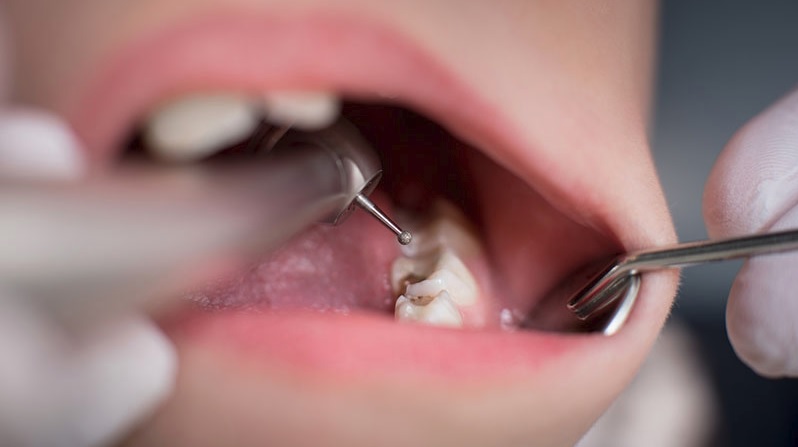
30 April 2019 Images are included for general illustration and do not establish or predict an individual treatment outcome. A filling is selected for a clinical reason A filling may be recommended to restore a tooth affected by decay, a fracture or wear. The dentist should explain what has been found and whether restoration is needed now. Some early changes may be managed with preventive care and monitoring; an established cavity may need a different approach. The size and location of the affected area, the remaining tooth structure and the forces on the tooth influence the plan. A price comparison is meaningful only when the proposed work and inclusions are understood. Materials and restoration designs differ Composite resin and glass ionomer are examples of filling materials. An inlay or onlay is a different restoration design that may be considered when more tooth structure needs replacement. No material is the best choice for every tooth. Ask why a particular material is recommended, its limitations and whether another option is suitable. The current materials available at Sydney CBD Dentistry and their fees should be confirmed with the practice. Older price lists should not be treated as current quotations. Discuss the full plan Ask for an estimate showing the tooth, surfaces or restoration involved and any separate examination or imaging fees. Check proposed item numbers with your health fund if applicable. A benefit is not guaranteed and may leave an out-of-pocket amount. A restored tooth may be sensitive after treatment. Fillings can wear, fracture or develop decay around their edges, and a deeply affected tooth may need further care. Ask about aftercare, review and the consequences of postponing treatment. For invasive care, you may wish to seek a second opinion from an appropriately qualified dental practitioner. Related articles Tooth Fillings: Assessment, Costs and Ongoing Care What Affects the Cost of a Dental Filling? Dental Fillings: Choosing a Suitable Restoration This article provides general information only. An examination is needed to assess your circumstances and suitability for treatment. All dental treatment carries risks, and results vary between individuals.
Root Canal Treatment: Planning and Follow-up
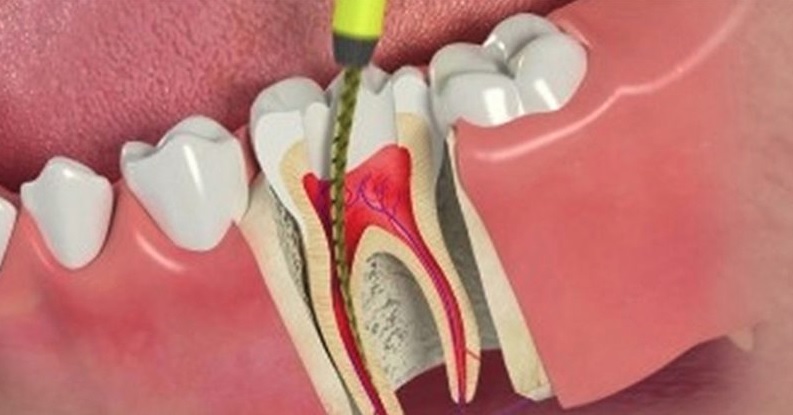
8 April 2019 Images are included for general illustration and do not establish or predict an individual treatment outcome. An examination comes before a treatment plan Root canal treatment is considered for a tooth with an irreversibly inflamed or infected pulp when retaining and restoring the tooth is feasible. Photographs, online examples and another person’s experience cannot establish whether it is appropriate for you. Your dentist will assess the tooth and explain the findings. Let them know about previous treatment, medical conditions, medicines, allergies and any anxiety about dental care. Ask what information or X-rays are needed and whether the tooth should be assessed by an endodontist. Plan the whole course of care The procedure treats the canal space inside the tooth. A filling or crown is also needed to restore the tooth afterwards. Ask about both parts of the plan, the number of visits and the expected follow-up before deciding. Local anaesthetic helps manage discomfort during treatment. Tenderness can occur afterwards, and your dentist should give advice suited to your health and treatment. Contact the practice if symptoms worsen, swelling develops or a temporary restoration is lost. Outcomes and choices Treatment aims to retain the tooth, but success is not certain. Persistent infection, fracture or difficulty treating the canals can lead to further procedures or extraction. Follow-up is needed to assess healing and the condition of the final restoration. Discuss extraction and its consequences as an alternative. Declining treatment for an infected tooth can allow infection to progress; a lack of pain does not necessarily mean the problem has resolved. Ask for an explanation of your options and a written estimate of the complete course of care. Before proceeding with invasive treatment, consider seeking a second opinion from an appropriately qualified dental practitioner. Complete the restoration plan Ask what filling or crown is planned after root canal treatment and when it should be fitted. Cleaning and sealing the root canals is one part of care; the remaining tooth also needs an appropriate restoration and ongoing review. Further reading Healthdirect: root canal treatment provides general patient information about this treatment. Discuss how it applies to your circumstances with your dentist. Related articles Root Canal Therapy: Keeping a Treatable Tooth When Might Root Canal Treatment Be Needed? Dental Crowns: Planning Treatment in Sydney CBD This article provides general information only. An examination is needed to assess your circumstances and suitability for treatment. All dental treatment carries risks, and results vary between individuals.
Root Canal Costs: Understanding Your Estimate
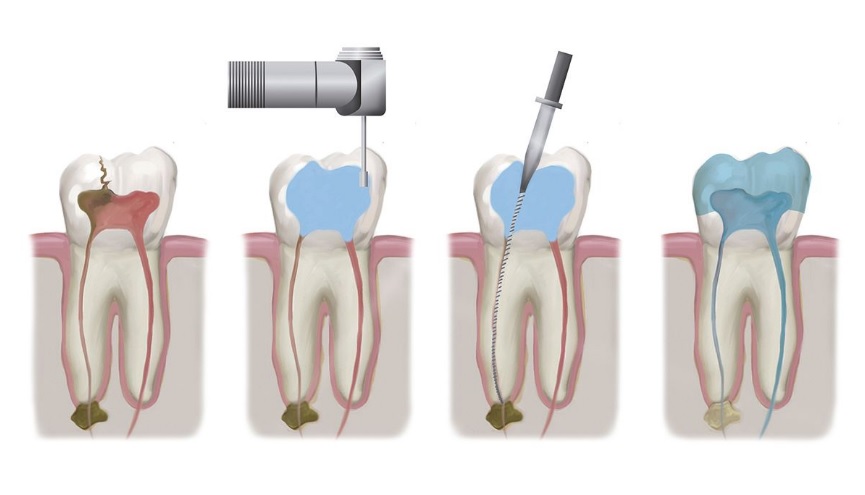
4 April 2019 Images are included for general illustration and do not establish or predict an individual treatment outcome. Start with the diagnosis A price range cannot establish whether a tooth needs root canal treatment or whether it can be restored. A dentist first assesses the tooth, symptoms and surrounding tissues, using tests and imaging where indicated. The findings guide the options and the estimate. Treatment aims to retain a tooth with damaged or infected pulp by cleaning and sealing the root canal system. Suitability depends on the remaining tooth structure and other findings. A general dentist may recommend assessment by an endodontist for a complex case. Check the scope of the estimate Ask whether the estimate includes the examination, imaging, all planned treatment visits, temporary restoration and the final filling or crown. A crown is a separate consideration and is not automatically included in a quoted root canal fee. The tooth involved, complexity and any previous treatment can affect the plan. Ask how additional work would be discussed if the findings change. Contact Sydney CBD Dentistry for a current written estimate; historical prices or promotions in older articles are not a current quote. Compare options and likely costs Ask about the expected benefit, uncertainty, recovery and risks, including persistent infection, fracture and the possibility of further treatment or extraction. Removing the tooth is an alternative in some circumstances, with separate consequences and possible replacement costs. Untreated infection can worsen; discuss timing with the treating dentist. Health-fund benefits depend on your policy, item numbers, waiting periods and remaining limits. Confirm your own benefit rather than assuming a percentage is covered. Before invasive treatment, you may wish to seek a second opinion from an appropriately qualified dental practitioner. Related articles Planning the Cost of Root Canal Treatment Root Canal Care: Costs, Risks and Alternatives Root Canal Treatment: Planning and Follow-up This article provides general information only. An examination is needed to assess your circumstances and suitability for treatment. All dental treatment carries risks, and results vary between individuals.
Dental Implant Maintenance and Long-Term Care
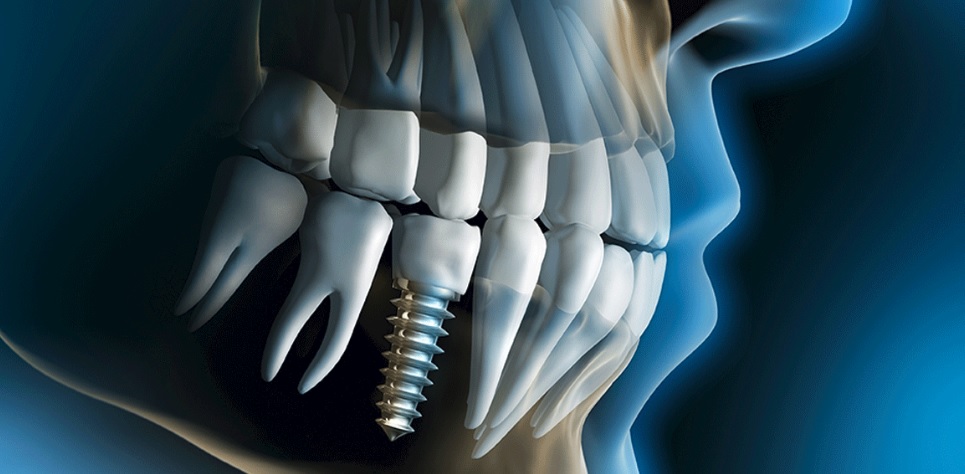
4 March 2019 Images are included for general illustration and do not establish or predict an individual treatment outcome. Plan for care after treatment Implant treatment continues beyond fitting the replacement tooth. Ask how to clean the restoration and the gumline around it, including areas underneath a bridge or around denture attachments. Your dentist can demonstrate tools that suit the design and your ability to use them. Regular review allows the clinician to assess tissues, bite and components. The interval depends on your circumstances. Do not assume that an implant cannot develop problems because it does not decay in the same way as a natural tooth. Know what to report Contact your dental provider if an implant or restoration feels loose, becomes painful, or if the surrounding gums swell or bleed. These changes need assessment. Do not try to tighten, glue or adjust implant components yourself. The crown, screws or denture attachments can need maintenance independently of the implant. Lifespan varies; no fixed number of years or lifetime outcome is promised. Ask who will provide continuing care and how repairs would be arranged. Consider this before starting Implant surgery can cause pain, swelling, bleeding or infection. Other risks include failure to integrate with the bone and injury to nearby teeth, nerves or the sinus. Gum and bone problems or loose and damaged components can develop later. Ask which risks apply to your proposed treatment. Discuss alternatives such as a suitable bridge or removable denture, and whether leaving the space under review is reasonable. Before invasive or irreversible treatment, you may wish to seek a second opinion from an appropriately qualified dental practitioner. Related articles Considering Dental Implants: Benefits and Limits Understanding the Parts of a Dental Implant The Dental Implant Process: Stages and Timing This article provides general information only. An examination is needed to assess your circumstances and suitability for treatment. All dental treatment carries risks, and results vary between individuals.
Dental Implant Estimates: What Should Be Included?
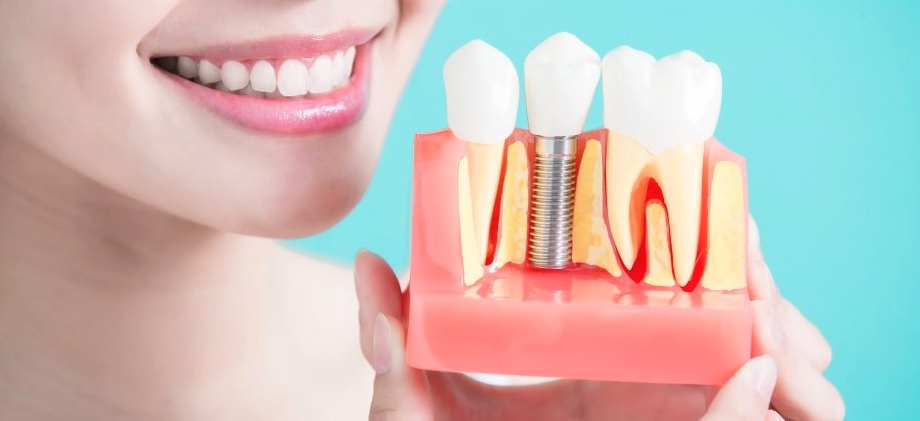
28 February 2019 Images are included for general illustration and do not establish or predict an individual treatment outcome. Ask for the scope of the estimate An implant quote should explain what treatment is proposed, rather than simply naming a package. Ask whether assessment and imaging, implant placement, the connecting component and the final crown or other prosthesis are included. Check whether extraction, grafting or temporary teeth are separate. The treatment needed can change after assessment or during care. Ask how any proposed change in the plan or cost will be explained before it proceeds. A first-visit offer should not be assumed to include implant investigations or treatment. Clarify payment and follow-up Contact Sydney CBD Dentistry for current fees and payment arrangements. Historical prices, promotional amounts and repayment examples are not a current offer. If you have private health cover, request an estimate of benefits based on the actual item numbers, waiting periods and annual limits. Ask about the review schedule, maintenance and repairs after the initial treatment. The implant and the replacement tooth are different components, and future treatment may involve either. Include this uncertainty when comparing plans. Keep the clinical decision separate from price Implant surgery can cause pain, swelling, bleeding or infection. Other risks include failure to integrate with the bone and injury to nearby teeth, nerves or the sinus. Gum and bone problems or loose and damaged components can develop later. Ask which risks apply to your proposed treatment. Discuss alternatives such as a suitable bridge or removable denture, and whether leaving the space under review is reasonable. Before invasive or irreversible treatment, you may wish to seek a second opinion from an appropriately qualified dental practitioner. Related articles Single-Tooth Implant Costs: Reading Your Estimate Why Dental Implant Treatment Costs Vary Budgeting for Implant-Supported Replacement Teeth This article provides general information only. An examination is needed to assess your circumstances and suitability for treatment. All dental treatment carries risks, and results vary between individuals.