
Choosing a Dental Clinic for Continuing Care
18 October 2021 Images are included for general illustration and do not establish or predict an individual treatment outcome. Consider access and communication Confirm the clinic’s location, appointment availability and access arrangements. Ask about support for any mobility, language or anxiety-related needs rather than assuming it is available. Practical arrangements can matter as much as proximity. Ask who will provide the assessment and check practitioner registration if needed. A clinic may refer some procedures to another practitioner. Look beyond popularity Search rankings, testimonials and modern-looking equipment cannot establish that a clinic is best for your treatment. Ask how the dentist will assess the problem and explain the available options. A useful discussion includes limitations, procedure-specific risks, recovery, alternatives and costs. You should have an opportunity to ask questions without pressure to accept unnecessary treatment. Plan continuity Clarify how records, reviews and referrals are managed and who to contact about problems after treatment. For children or other family members, confirm the clinic can assess their particular needs. Seek a second opinion when considering substantial or irreversible care. Related articles Looking After Your Teeth Between Dental Visits Dental Pain, Swelling and Bleeding: Seeking Advice Why Dental Reviews Matter Even Without Pain This article provides general information only. An examination is needed to assess your circumstances and suitability for treatment. All dental treatment carries risks, and results vary between individuals.
No-Gap Dental: Understanding Eligibility and Limits

13 October 2021 Images are included for general illustration and do not establish or predict an individual treatment outcome. Clarify what no gap means A no-gap arrangement generally concerns the difference between a provider’s fee and the benefit payable for specified services. It does not mean every dental procedure is free for every patient. Eligibility depends on the current arrangement and your cover. An older article is not evidence of a current Sydney CBD Dentistry offer. Confirm whether an arrangement is available and obtain its terms before relying on it. Check your individual benefits Ask which item numbers and services are included, whether waiting periods or limits apply and what happens if your remaining benefit is insufficient. Confirm provider participation and benefits with both the clinic and insurer. Additional tests or treatment may involve separate fees. Ask for the amount you would need to pay and do not assume a general examination package includes all necessary care. Keep treatment decisions clinical Insurance eligibility should not determine whether a procedure is needed. Ask about the findings, alternatives, risks and costs before agreeing. This article provides questions to ask; it does not promise free treatment, a rebate amount or a current package price. Related articles Choosing a Dental Clinic for Continuing Care Dental Fees: Questions Beyond an Advertised Price Everyday Oral Care and Professional Review This article provides general information only. An examination is needed to assess your circumstances and suitability for treatment. All dental treatment carries risks, and results vary between individuals.
Dental Cleaning: What the Appointment May Involve
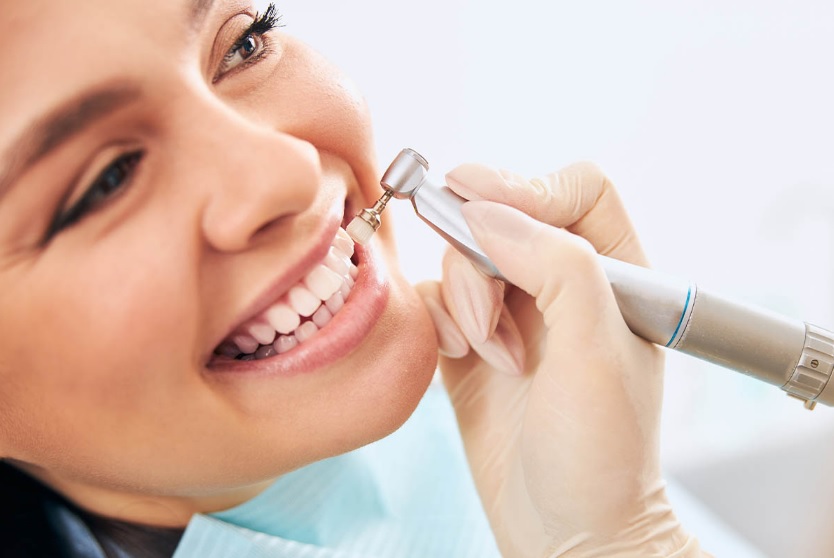
11 October 2021 Images are included for general illustration and do not establish or predict an individual treatment outcome. Assessment guides the cleaning plan Professional dental cleaning is one part of caring for your teeth and gums. Your dental practitioner will consider your symptoms, home care and examination findings before recommending what is needed. Tell them about bleeding, sensitivity, dry mouth, medicines and any medical conditions. The visit may include an examination and a discussion of your risk of decay or gum disease. X-rays, fluoride and other procedures should be considered for a clinical reason rather than assumed to be needed at every visit. Removing deposits and surface stains Scaling removes hardened deposits using dental instruments. Hand instruments, ultrasonic equipment or a combination may be used. Some surface stains can be removed with cleaning and polishing where appropriate, but this is different from changing the underlying colour of a tooth through whitening treatment. A routine clean is not the same as a course of treatment for periodontitis. If deeper gum disease is found, you may need further assessment, a different cleaning plan and ongoing reviews. Some cases require referral to a periodontist. Comfort, aftercare and review Cleaning can cause temporary sensitivity or gum tenderness, and inflamed gums may bleed. Tell the practitioner if you are uncomfortable so they can discuss adjustments and pain-management options. Follow any instructions specific to treatment received, including fluoride aftercare if it is used. Keep brushing and cleaning between teeth as advised. Professional cleaning cannot replace daily care or prevent every dental problem. Ask about the reasons for the recommended review interval, options for managing your risk and what may happen if necessary treatment is postponed. Contact the practice if symptoms persist or worsen. Related articles Teeth Scaling: Purpose, Limits and Aftercare Teeth Cleaning Costs: What to Ask Before a Visit Gum Disease: Signs, Assessment and Ongoing Care This article provides general information only. An examination is needed to assess your circumstances and suitability for treatment. All dental treatment carries risks, and results vary between individuals.
Selecting a Dentist for Your Particular Needs

8 October 2021 Images are included for general illustration and do not establish or predict an individual treatment outcome. Define what matters for your appointment Consider your main concern, location, access needs and preferred communication arrangements. Confirm that the clinic can assess the problem and ask about current availability. No single dentist is automatically the right fit for every person or procedure. Ask who will treat you and verify registration where needed. A referral to another practitioner may form part of appropriate care rather than every procedure being provided in one clinic. Look for an understandable explanation The consultation should connect findings with the proposed treatment. Ask about alternatives, risks, recovery, costs and what may happen without treatment. Raise uncertainty before giving consent. A title in advertising, online rating or description of technology cannot guarantee your outcome. Photographs also cannot establish what treatment would achieve for you. Ask about ongoing support Find out how reviews, record transfers and concerns after treatment are handled. Confirm fees and contact arrangements. For extensive or irreversible care, take time to consider the plan and seek a second opinion from an appropriately qualified dental practitioner if useful. Related articles Visiting Sydney CBD Dentistry: Planning Your Appointment Comparing Dental Costs in Sydney Planning a Dental Appointment in the City This article provides general information only. An examination is needed to assess your circumstances and suitability for treatment. All dental treatment carries risks, and results vary between individuals.
Making Sense of a Dental Treatment Estimate
6 October 2021 Images are included for general illustration and do not establish or predict an individual treatment outcome. Clarify what is being proposed Ask for the diagnosis, recommended procedures and alternatives in plain language. An estimate should relate to a defined plan, not simply an attractive headline price. Check which items are essential now and which are elective or can be monitored. Tell the dentist about budget constraints so clinically appropriate choices can be discussed. Delaying treatment has different implications for different conditions. Check inclusions and exclusions Confirm assessment, imaging, materials, temporary work, reviews and laboratory fees where relevant. Ask what circumstances could change the estimate and how you would be informed. Compare like-for-like plans when obtaining another opinion. A higher or lower fee alone does not prove clinical quality, suitability or a particular result. Check insurance benefits separately. Consider care after treatment Ask about maintenance, possible repairs and future replacement costs. Home care and reviews are important, but cannot guarantee that further treatment will be unnecessary. Take time to understand the plan before making a financial commitment. Related articles No-Gap Dental: Understanding Eligibility and Limits Choosing Dental Services for Your Needs Comparing Dental Clinics: Practical Questions This article provides general information only. An examination is needed to assess your circumstances and suitability for treatment. All dental treatment carries risks, and results vary between individuals.
Your First Dental Visit: Assessment and Next Steps
1 October 2021 Images are included for general illustration and do not establish or predict an individual treatment outcome. Share the information that matters Bring a medication list and details of allergies, relevant health conditions and previous dental treatment. Explain your main concern and any anxiety, access or communication needs. Ask whether earlier dental records would be useful. Confirm the appointment type and fees beforehand. An initial consultation does not automatically include cleaning, imaging or treatment; these depend on the assessment and agreed plan. Ask about the findings The dentist can explain the condition of your teeth and gums and whether further investigation is needed. Ask which findings need attention now and which may be monitored. A symptom-free mouth still benefits from an individual review plan. Discuss the options, benefits, risks, alternatives and likely costs before agreeing to care. A series of treatments should have a clinical reason rather than being offered automatically as a complete package. Agree on follow-up Review intervals vary with individual needs. There is no automatic requirement for every new patient to attend twice monthly or to undergo extensive treatment. Confirm what happens next and how to seek advice if symptoms change. Related articles Early Dental Symptoms: When to Arrange an Assessment Looking After Your Teeth Between Dental Visits Dental Pain, Swelling and Bleeding: Seeking Advice This article provides general information only. An examination is needed to assess your circumstances and suitability for treatment. All dental treatment carries risks, and results vary between individuals.
Early Dental Symptoms: When to Arrange an Assessment

27 September 2021 Images are included for general illustration and do not establish or predict an individual treatment outcome. Notice changes without self-diagnosing Bleeding gums, sensitivity, persistent bad breath or a rough area on a tooth can have different causes. They do not establish a diagnosis on their own. Tell the dentist when the change began, whether it is worsening and what triggers it. Sensitivity does not always mean a cavity. The examination helps distinguish possible causes and decide whether tests, treatment or monitoring are appropriate. Seek advice about persistent symptoms Arrange dental advice for ongoing pain, repeated gum bleeding, a damaged tooth or an unexplained change in the mouth. Do not assume that cleaning or a filling will resolve every symptom. Contact a dentist promptly about swelling, pus or significant pain. Difficulty breathing or swallowing, or rapidly spreading swelling, needs urgent medical help; call 000 for a medical emergency. Understand the recommended response Ask what the findings suggest, what options are available and when a review is needed. Report persistent or worsening symptoms after treatment. Prevention advice and review timing should be tailored to the cause and your circumstances. Related articles Making Sense of a Dental Treatment Estimate Why Dental Treatment Estimates Can Differ Dental Filling Materials: How Choices Are Made This article provides general information only. An examination is needed to assess your circumstances and suitability for treatment. All dental treatment carries risks, and results vary between individuals.
Your Dentist’s Role in Assessment and Ongoing Care

20 September 2021 Images are included for general illustration and do not establish or predict an individual treatment outcome. Assessment starts with your circumstances Your dentist asks about symptoms, health history, medicines and previous treatment, then examines the relevant teeth and mouth tissues. Tests or imaging may be recommended when they can help answer a clinical question. Ask what the findings mean and where uncertainty remains. The assessment can identify issues needing treatment, monitoring or referral. A dental visit cannot guarantee future oral health or prevent every general health condition. Understand the treatment recommendation Ask the dentist to explain the purpose, alternatives, risks and limitations of each proposed procedure. Appearance concerns should be distinguished from disease or damage; a cosmetic change is not automatically necessary for a healthy mouth. Referral may be appropriate when your needs fall outside the proposed care. Ask who would provide the next assessment and what information will be shared. Plan beyond the appointment Discuss home care, review timing and what to do if symptoms change. Confirm the estimate and arrangements for problems after treatment. You can seek a second opinion before substantial or irreversible care. Related articles Your First Dental Visit: Assessment and Next Steps Choosing a Dental Clinic for Continuing Care Dental Fees: Questions Beyond an Advertised Price This article provides general information only. An examination is needed to assess your circumstances and suitability for treatment. All dental treatment carries risks, and results vary between individuals.
Visiting Sydney CBD Dentistry: Planning Your Appointment
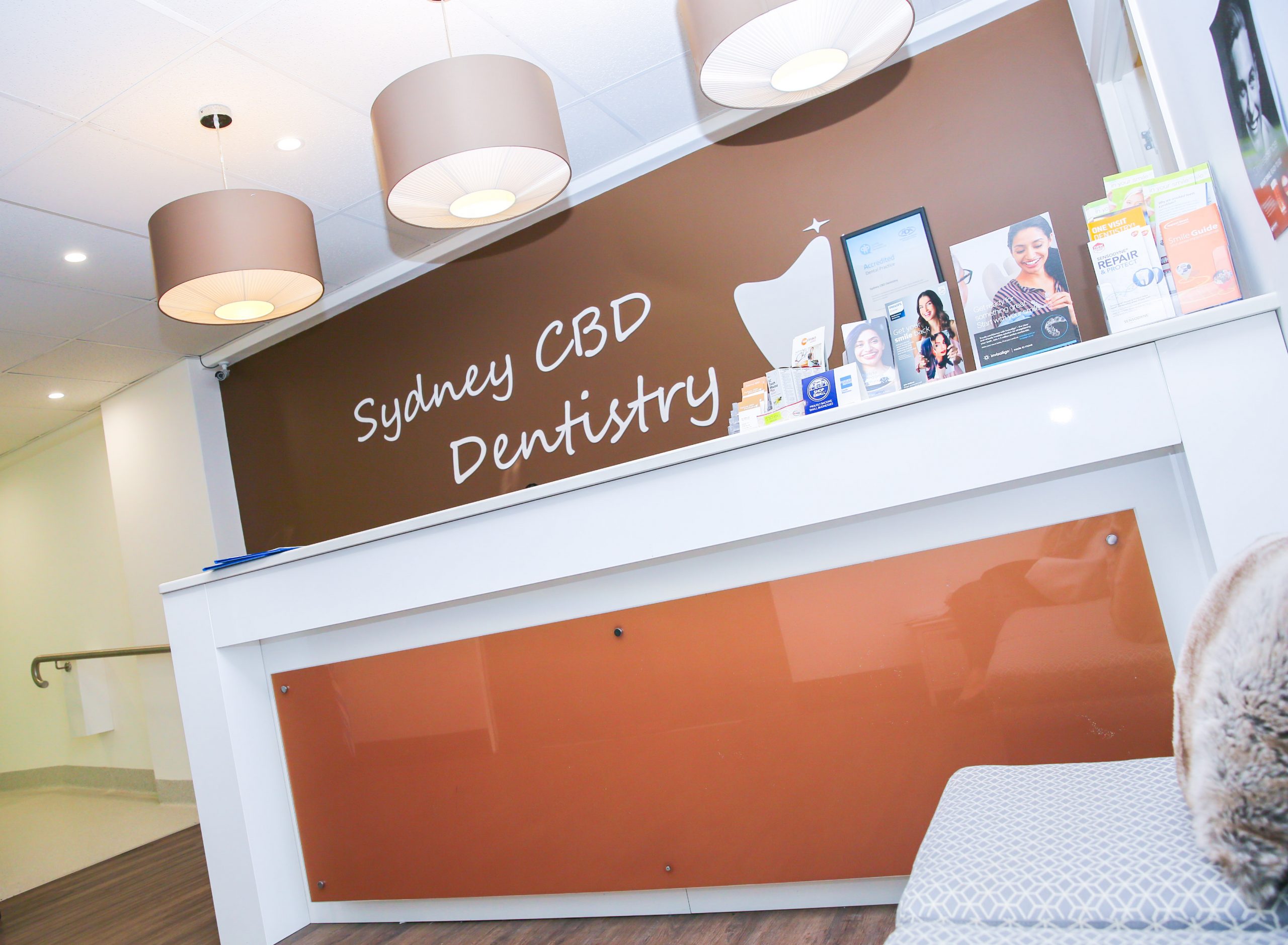
17 September 2021 Images are included for general illustration and do not establish or predict an individual treatment outcome. Confirm your visit details Sydney CBD Dentistry is at Suite 302, Level 3, 70 Pitt Street, Sydney. You can contact the clinic on (02) 8090 1105 to confirm current appointment availability, the visit type and any preparation needed. Ask about building access and any mobility or communication requirements before travelling. Check current transport or parking information directly rather than relying on old journey times or an assumed parking arrangement. Explain what you need assessed Describe your main concern when arranging the visit. Mention pain, swelling, injury or changing symptoms so the team can advise about an appropriate appointment. Availability for same-day treatment should be confirmed, not assumed. Bring relevant medical information, medication and allergy details, and ask whether previous dental records would be helpful. Tell the dentist about anxiety or any previous treatment difficulty. Discuss the plan after assessment Ask for an explanation of findings, options, procedure-specific risks and costs before agreeing to care. Confirm the next appointments and who to contact if symptoms change. An initial appointment does not automatically include all treatment or imaging. Related articles Dental Problems: Why Assessment Comes First Dental Anxiety and Comfort During Treatment Dental Crowns: Choosing Treatment After Assessment This article provides general information only. An examination is needed to assess your circumstances and suitability for treatment. All dental treatment carries risks, and results vary between individuals.
Managing Dental Costs Without Skipping Assessment
15 September 2021 Images are included for general illustration and do not establish or predict an individual treatment outcome. Explain the concern and your budget Tell the dentist about symptoms and financial constraints so both can be considered when planning care. Ask what requires attention first and what can be monitored. Avoid deciding solely from an advertised starting price. An assessment helps distinguish urgent problems from elective choices. Ask about the consequences of delay and whether less extensive care is appropriate in your case. Understand the estimate Request an itemised plan and check the inclusions, possible additional charges and review costs. If comparing clinics, make sure the estimates describe comparable procedures and materials. Confirm benefits with your health fund rather than assuming the whole fee will be covered. Ask the clinic about current payment methods and timing without treating payment availability as a reason to accept unnecessary treatment. Plan ongoing care Discuss practical home care and review arrangements relevant to your risks. Prevention may reduce avoidable problems but cannot promise that future treatment or cost will be eliminated. Seek advice when symptoms change instead of relying on an old estimate or postponing assessment indefinitely. Related articles Selecting a Dentist for Your Particular Needs Dental Check-Ups and Ongoing Oral Care What to Expect from a Dental Clinic Visit This article provides general information only. An examination is needed to assess your circumstances and suitability for treatment. All dental treatment carries risks, and results vary between individuals.