Veneers: Understanding Before-and-After Images
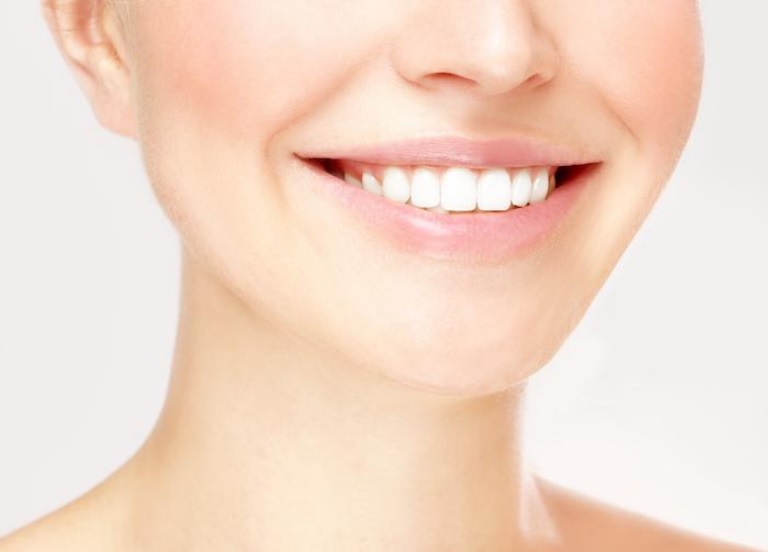
6 April 2022 Images are included for general illustration and do not establish or predict an individual treatment outcome. Images show only part of the story A photograph can illustrate appearance at one point in time, but it cannot show every detail of a person’s oral health, treatment, recovery or maintenance. Differences in lighting, angle and timing can also affect how teeth appear. Do not use an image as a prediction of your own result. Ask what procedure an example actually involved, whether other treatment contributed and what limitations are relevant to your situation. The images accompanying this general article do not establish a verified individual treatment outcome. Assessment matters more than a comparison Veneer planning involves the condition of your teeth, gums and bite, as well as the change you are considering. Ask whether preparation would remove enamel and whether other options could address the concern. Keeping your own teeth unchanged may be appropriate. Discuss what the treatment may not achieve, how teeth can feel afterwards and how reviews and repairs are managed. No image can promise satisfaction, a particular shade or changes to confidence or wellbeing. Understand the commitment before treatment Veneers can involve irreversible removal of enamel. Risks include sensitivity, chipping, debonding, gum irritation, changes in the bite and a colour or shape that does not meet expectations. The underlying tooth can still develop decay, and further treatment or replacement may be needed. Discuss alternatives such as limited bonding, orthodontic assessment, whitening where suitable or keeping your teeth as they are. Before invasive or irreversible treatment, you may wish to seek a second opinion from an appropriately qualified dental practitioner. Related articles Considering Veneers: Benefits, Limits and Future Care Veneer Materials and Tooth Preparation Choosing a Dentist for a Cosmetic Consultation This article provides general information only. An examination is needed to assess your circumstances and suitability for treatment. All dental treatment carries risks, and results vary between individuals.
Comparing Veneer Quotes and Future Costs
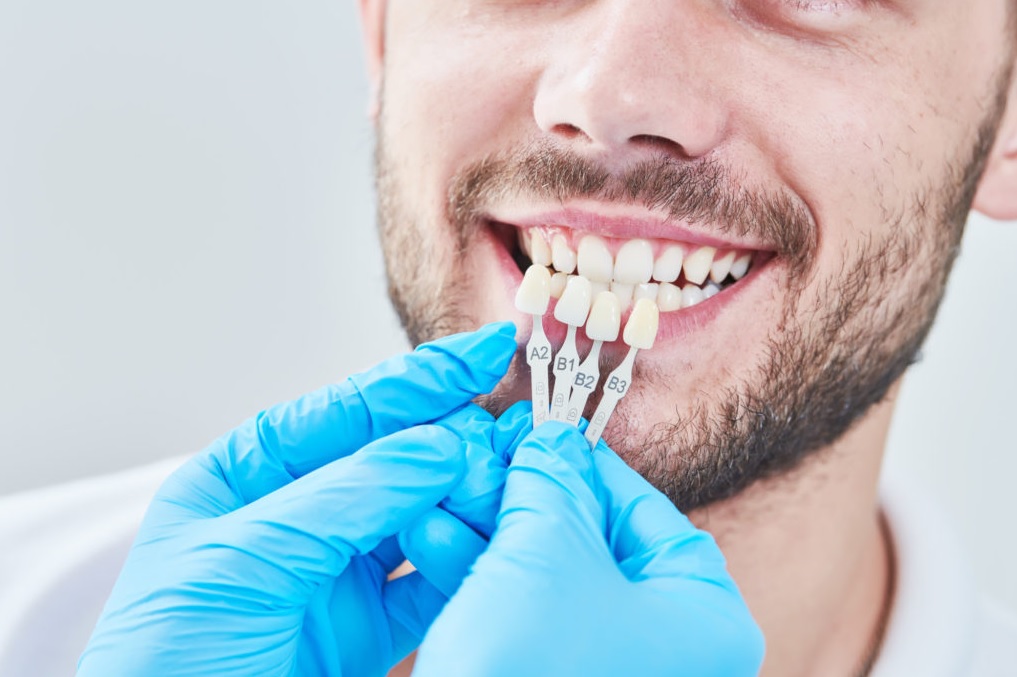
25 March 2022 Images are included for general illustration and do not establish or predict an individual treatment outcome. Compare like-for-like proposals Before comparing prices, check that each estimate describes the same teeth, material, preparation and intended changes. A difference in the number of veneers or additional procedures can change the total considerably. Ask why each element is recommended. The consultation should also address gum health, bite and the condition of the underlying teeth. Treatment of disease or a damaged tooth may be separate from an optional cosmetic change. Look beyond the initial fee Ask about records, temporary restorations, fitting, reviews and adjustments. Clarify possible repair and replacement costs and whether they are included in any stated arrangements. No fixed lifespan or absence of future costs can be promised. Request current information from Sydney CBD Dentistry and check any health-fund benefits directly. An old price or discount does not establish the current cost. Take time to consider no treatment or a more limited option before agreeing to irreversible work. Balance cost with clinical consequences Veneers can involve irreversible removal of enamel. Risks include sensitivity, chipping, debonding, gum irritation, changes in the bite and a colour or shape that does not meet expectations. The underlying tooth can still develop decay, and further treatment or replacement may be needed. Discuss alternatives such as limited bonding, orthodontic assessment, whitening where suitable or keeping your teeth as they are. Before invasive or irreversible treatment, you may wish to seek a second opinion from an appropriately qualified dental practitioner. Include maintenance in your decision Ask how you would arrange a review if a veneer chips or becomes loose, and whether a repair or replacement would involve additional fees. Confirm the proposed preparation for each tooth before agreeing to treatment. Further reading Australian Dental Association: crowns, bridges and veneers provides general patient information about this treatment. Discuss how it applies to your circumstances with your dentist. Related articles Veneer Costs: What the Treatment Estimate Covers Veneer Materials and Tooth Preparation Planning Cosmetic Dental Care Step by Step This article provides general information only. An examination is needed to assess your circumstances and suitability for treatment. All dental treatment carries risks, and results vary between individuals.
Veneer Materials and Tooth Preparation
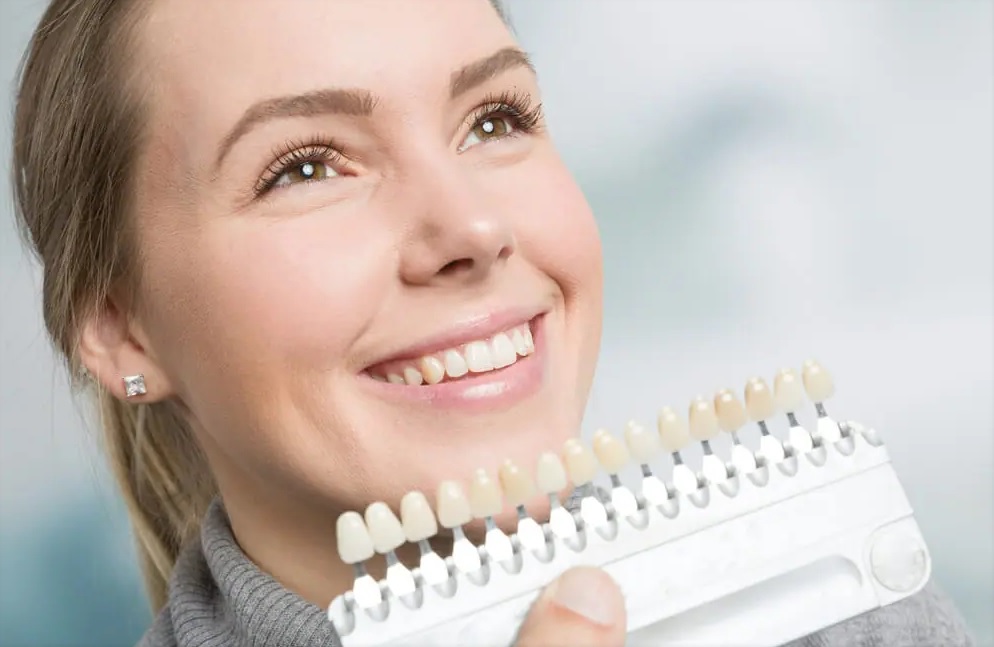
2 March 2022 Images are included for general illustration and do not establish or predict an individual treatment outcome. Ask how the veneer will be made Composite veneers are formed from tooth-coloured resin, often directly on the tooth. Ceramic veneers are made to fit the tooth and then bonded. The technique and number of appointments depend on the plan. Ask why a material is proposed for your particular teeth and bite. Material choice affects the approach to maintenance and repair, but neither option is free from complications. A preference for a colour or shape does not establish that veneers are necessary. Read about porcelain and composite veneer materials when comparing a proposal. Clarify preparation before consenting Ask whether enamel will be removed, how much and why. If preparation is needed, it is irreversible. Descriptions such as minimal preparation do not mean that treatment is automatically reversible or suitable for every tooth. Discuss the alternatives that might preserve tooth structure, the possibility of temporary restorations and care between appointments. Ask about the expected limitations, follow-up and what would happen if a veneer needed repair or replacement. Understand risks and other choices Veneers can involve irreversible removal of enamel. Risks include sensitivity, chipping, debonding, gum irritation, changes in the bite and a colour or shape that does not meet expectations. The underlying tooth can still develop decay, and further treatment or replacement may be needed. Discuss alternatives such as limited bonding, orthodontic assessment, whitening where suitable or keeping your teeth as they are. Before invasive or irreversible treatment, you may wish to seek a second opinion from an appropriately qualified dental practitioner. Related articles Composite Veneers: Procedure and Considerations Considering Veneers: Benefits, Limits and Future Care Living with Veneers: Cleaning, Reviews and Repairs This article provides general information only. An examination is needed to assess your circumstances and suitability for treatment. All dental treatment carries risks, and results vary between individuals.
Teeth Whitening Near Me in Sydney CBD: Questions to Ask
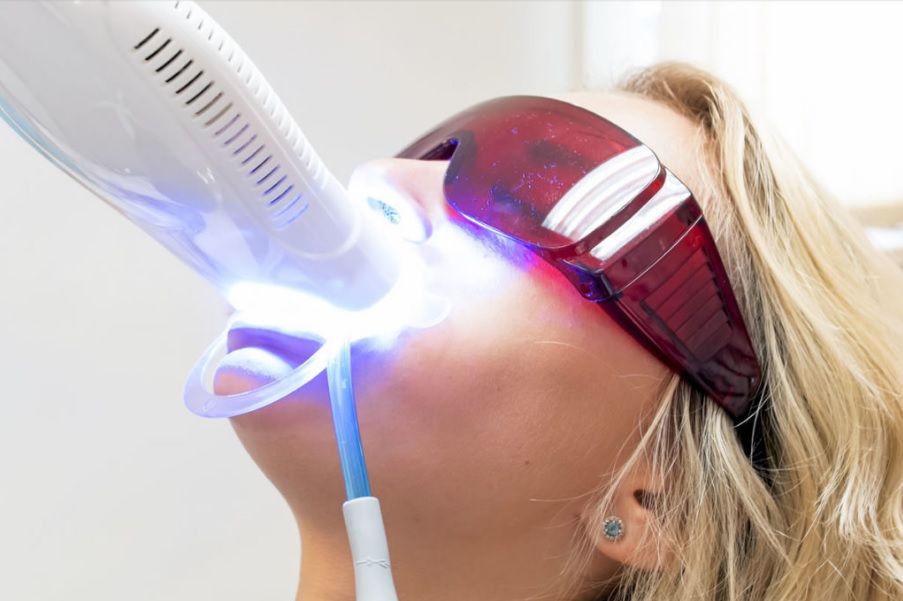
21 January 2022 Images are included for general illustration and do not establish or predict an individual treatment outcome. Choose assessment as the starting point When looking for whitening care, ask who will assess your mouth and provide treatment or instructions. A qualified dental practitioner can investigate the cause of discolouration and identify problems that may need other care first. Convenience or a promotional price does not establish suitability. Bookings are with our dentist in Sydney CBD at 70 Pitt Street. Check the practitioner’s registration and clarify where treatment and follow-up occur. Ask about current appointment availability rather than assuming a walk-in service. Understand the product and support Ask which whitening method is proposed, why it suits your circumstances and how to use any take-home materials. Discuss previous sensitivity, restorations and products you already use. Find out whom to contact if you experience pain or irritation. Obtain current fees and inclusions before deciding. Results vary, and stronger products or repeated sessions do not guarantee a preferred shade. Keeping your natural colour remains an option. Discuss risks and limitations Whitening can cause tooth sensitivity and irritation or chemical burns to the gums and other soft tissues. The degree and duration of colour change vary. Fillings, crowns and veneers do not whiten with natural teeth, so a mismatch may become more noticeable. A dental assessment helps identify the cause of discolouration and whether whitening is appropriate. Discuss alternatives, including leaving your natural colour unchanged. Follow the prescribed product instructions and contact your dentist about significant or persistent symptoms. Related articles Teeth Whitening in Sydney CBD: Before You Book Whitening Options: In-Clinic and Take-Home Treatment Teeth Whitening Costs: Comparing Inclusions This article provides general information only. An examination is needed to assess your circumstances and suitability for treatment. All dental treatment carries risks, and results vary between individuals.
Cosmetic Dental Decisions: Goals and Alternatives
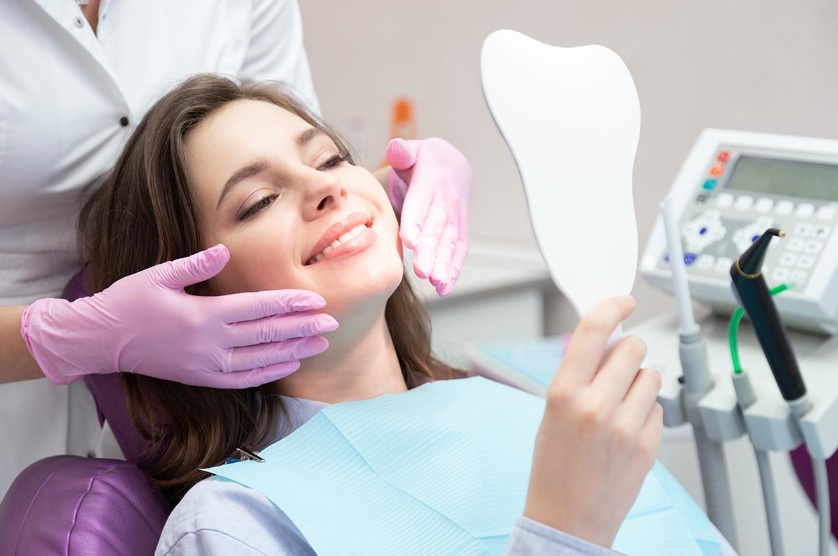
29 November 2021 Images are included for general illustration and do not establish or predict an individual treatment outcome. Describe the concern in your own words If you are considering a cosmetic change, explain what you have noticed and what you hope to change. The dentist can assess whether there is a health problem or whether the concern relates to normal variation. Healthy teeth do not have to share one colour, shape or arrangement. You can ask for information without agreeing to treatment. Discuss whether observation, cleaning or a limited procedure could be appropriate instead of a wider course of cosmetic care. Consider what matters over time Ask how the proposed option affects natural tooth structure and future care. Whitening, bonding, veneers and orthodontic treatment have different purposes and risks. An appearance goal does not automatically justify irreversible preparation. Request an explanation of uncertainties and maintenance costs. Photographs and examples cannot promise a personal result or psychological benefit. Allow time to consider the alternatives and decide whether the expected changes justify the treatment burden for you. Understand risks before deciding Risks depend on the procedure. Whitening can cause sensitivity and gum irritation. Bonding or veneers can chip, detach or need replacement; veneers may require irreversible enamel removal. Orthodontic treatment can cause soreness, gum or root changes and relapse. Ask for the risks and recovery information specific to your plan. Before invasive or irreversible care, you may wish to seek a second opinion from an appropriately qualified dental practitioner. Related articles Cosmetic Dentistry: Options and Informed Decisions Cosmetic Dental Procedures: How Options Differ Choosing a Dentist for a Cosmetic Consultation This article provides general information only. An examination is needed to assess your circumstances and suitability for treatment. All dental treatment carries risks, and results vary between individuals.
Choosing a Dentist for a Cosmetic Consultation
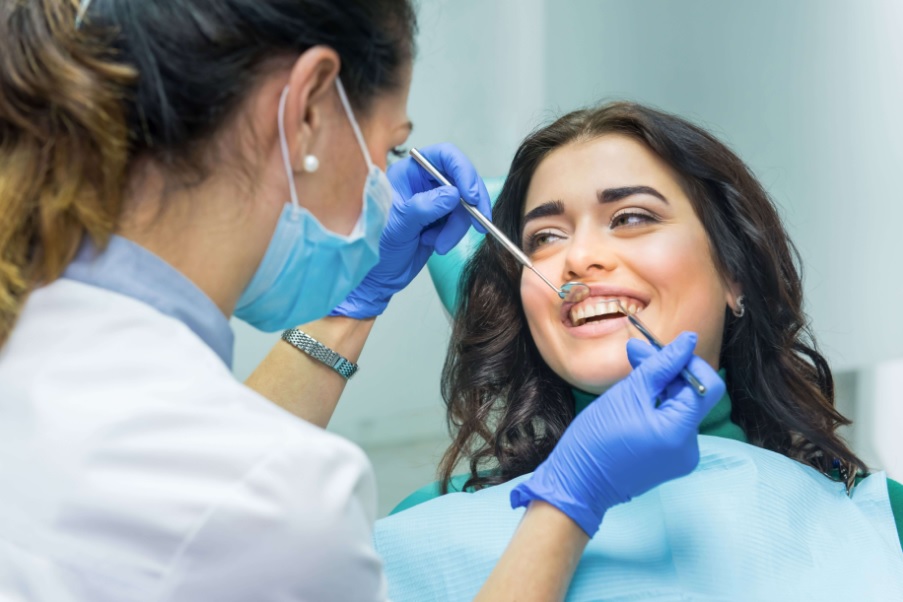
15 October 2021 Images are included for general illustration and do not establish or predict an individual treatment outcome. Check who will assess and treat you Ask who will carry out the consultation and any proposed procedure, and check their registration through Ahpra’s public register. Cosmetic dentistry is a description of treatment interests, not a recognised dental specialist title. Ask about relevant training and whether referral is appropriate. Experience, equipment and photographs cannot establish suitability on their own. A consultation should include examination of your teeth, gums and bite, as well as discussion of your concerns. Look for an individual explanation Ask what the proposed procedure changes, whether it removes tooth structure and what alternatives exist. You should have time to understand limitations, recovery, maintenance and costs. Choosing no cosmetic treatment is a valid option. Clarify who provides follow-up and how problems or dissatisfaction would be assessed. Be cautious about assuming that an example photograph predicts your result or that a dental procedure will improve confidence or personal circumstances. Ask about procedure-specific risks Risks depend on the procedure. Whitening can cause sensitivity and gum irritation. Bonding or veneers can chip, detach or need replacement; veneers may require irreversible enamel removal. Orthodontic treatment can cause soreness, gum or root changes and relapse. Ask for the risks and recovery information specific to your plan. Consider a second opinion from an appropriately qualified dental practitioner before invasive or irreversible treatment. Related articles Cosmetic Dental Care: Assessment Before Treatment Planning Cosmetic Dental Care Step by Step Veneers: Understanding Before-and-After Images This article provides general information only. An examination is needed to assess your circumstances and suitability for treatment. All dental treatment carries risks, and results vary between individuals.
Veneer Costs: What the Treatment Estimate Covers
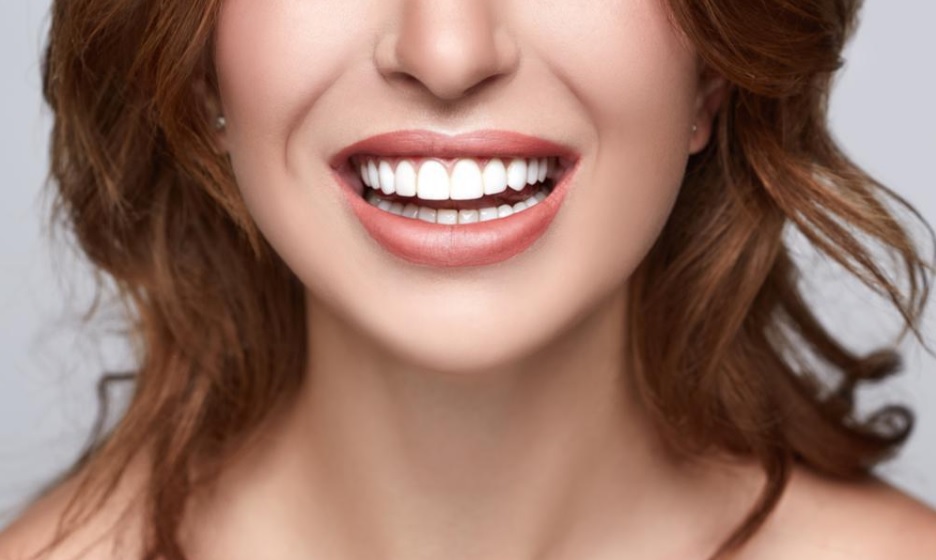
29 September 2021 Images are included for general illustration and do not establish or predict an individual treatment outcome. Clarify the treatment being proposed A veneer estimate should identify the teeth involved, material and planned preparation. Ask why that number of veneers is proposed and whether a smaller intervention or another approach could address your concern. A package size should not substitute for individual assessment. Composite and ceramic treatment can involve different techniques, appointments and maintenance. Ask how these differences apply to your mouth rather than assuming a material is suitable because of its price. Include future care in the discussion Check whether assessment, records, temporary restorations, fitting and reviews are included. Ask how adjustments, repairs and replacement would be handled and which costs are outside the initial estimate. Contact Sydney CBD Dentistry for current fees. Older prices and advertised savings are not a current quote. Discuss risks and the effect on your natural teeth before weighing the cost, especially if enamel removal is proposed. Consider the long-term implications Veneers can involve irreversible removal of enamel. Risks include sensitivity, chipping, debonding, gum irritation, changes in the bite and a colour or shape that does not meet expectations. The underlying tooth can still develop decay, and further treatment or replacement may be needed. Discuss alternatives such as limited bonding, orthodontic assessment, whitening where suitable or keeping your teeth as they are. Before invasive or irreversible treatment, you may wish to seek a second opinion from an appropriately qualified dental practitioner. Related articles Comparing Veneer Quotes and Future Costs Considering Veneers: Benefits, Limits and Future Care Living with Veneers: Cleaning, Reviews and Repairs This article provides general information only. An examination is needed to assess your circumstances and suitability for treatment. All dental treatment carries risks, and results vary between individuals.
Cosmetic Dentist Sydney CBD: Preparing for Your Consultation
22 September 2021 Images are included for general illustration and do not establish or predict an individual treatment outcome. Clarify your reason for the visit Describe what you are considering without assuming normal tooth colour, shape or spacing is a defect. An appearance preference does not automatically require treatment. Ask what the assessment shows about your oral health independently of the cosmetic concern. Bookings are with our dentist in Sydney CBD at 70 Pitt Street. The term cosmetic dentist does not identify a recognised dental specialty. Ask about the treating practitioner’s registration and the proposed care rather than relying on the label alone. Discuss more than the desired appearance Ask what the procedure could and could not change, whether tooth structure would be removed and what recovery and maintenance involve. Photographs or simulations cannot guarantee your result. Alternatives may include a less extensive procedure, orthodontic assessment, monitoring or no cosmetic treatment. Ask for a written plan and complete costs without pressure to decide immediately. Understand procedure-specific risks Whitening can cause sensitivity and gum irritation. Bonding and veneers can chip, detach or need replacement, and veneer preparation may be irreversible. Orthodontic care has its own risks and retention needs. Discuss those relevant to the plan and consider a second opinion before invasive or irreversible care. Related articles Tooth Crown Quotes: Materials, Steps and Maintenance Tooth Caps: Benefits, Limitations and Alternatives Invisalign Costs: What a Treatment Quote Should Explain This article provides general information only. An examination is needed to assess your circumstances and suitability for treatment. All dental treatment carries risks, and results vary between individuals.
Teeth Whitening in Sydney CBD: Before You Book

11 December 2019 Images are included for general illustration and do not establish or predict an individual treatment outcome. Arrange assessment before choosing treatment If you are considering whitening, describe the colour change that concerns you and when it began. Mention sensitivity, injury, dental work and any whitening products already used. A new change in one tooth may need investigation rather than cosmetic treatment alone. Ask whether cleaning, whitening, other dental care or leaving the colour unchanged is appropriate. An appointment enquiry does not establish suitability or commit you to treatment. Clarify the practical details Confirm the current options, fees, likely appointments and review arrangements with Sydney CBD Dentistry. Ask what the estimate includes and whether any preliminary care would be separate. Do not rely on historical package prices or a promise of a particular shade. Discuss the effect on existing restorations and how side effects will be managed. Follow the clinician’s instructions rather than increasing product exposure to meet an event or deadline. Natural tooth colour and responses to whitening vary. Our teeth whitening guide covers methods, limitations and aftercare. Understand possible side effects Whitening can cause tooth sensitivity and irritation or chemical burns to the gums and other soft tissues. The degree and duration of colour change vary. Fillings, crowns and veneers do not whiten with natural teeth, so a mismatch may become more noticeable. A dental assessment helps identify the cause of discolouration and whether whitening is appropriate. Discuss alternatives, including leaving your natural colour unchanged. Follow the prescribed product instructions and contact your dentist about significant or persistent symptoms. Related articles Finding Teeth Whitening Care: Questions to Ask Tooth Discolouration: Causes and Assessment Professional Whitening: What the Process Involves This article provides general information only. An examination is needed to assess your circumstances and suitability for treatment. All dental treatment carries risks, and results vary between individuals.
How Long Do Veneers Last?

4 December 2019 Veneers are coverings placed on the front of teeth. They may be made from porcelain or composite resin. There is no single lifespan that applies to every veneer, and treatment should not be described as a permanent solution without ongoing care. Why lifespan varies The condition of the underlying tooth, the type of veneer, your bite and habits such as tooth grinding can affect maintenance needs. A veneer can chip, loosen or need repair or replacement. The tooth and gums around it still need routine care. A quoted number of years is not a promise about your own treatment. Ask your dentist what could lead to repair or replacement in your circumstances and what future care might involve. Care and review Brush and clean between your teeth as advised, and attend reviews at intervals recommended for you. Avoid using teeth to open packaging or bite hard objects. Tell your dentist about grinding, clenching, a change in your bite or a loose or damaged veneer. A protective appliance may be discussed when appropriate; it does not remove every risk. Consider the long-term commitment Some veneer procedures remove enamel and are irreversible. Possible problems include sensitivity, damage or detachment of the veneer, and decay around a restoration. Further treatment may be necessary if the underlying tooth develops a problem. Repairing or replacing veneers can involve additional expense and further treatment of the tooth. Alternatives Depending on the concern, options may include leaving the teeth unchanged, whitening, composite bonding or orthodontic assessment. These choices address different problems and have their own limitations. A dentist should explain which are relevant rather than assuming veneers are needed. Bring questions about tooth preparation, expected maintenance, risks and alternatives to your consultation. Complex bite or restorative concerns may require referral. The decision should follow an assessment of your oral health and an explanation of what treatment would involve. For invasive or irreversible treatment, you may wish to seek a second opinion from an appropriately qualified health practitioner before deciding. Related articles What are veneers? Veneers: benefits and limitations Composite veneers and bonding This article provides general information only. An examination is needed to assess your circumstances and suitability for treatment. All dental treatment carries risks, and results vary between individuals.