

Images are included for general illustration and do not establish or predict an individual treatment outcome.
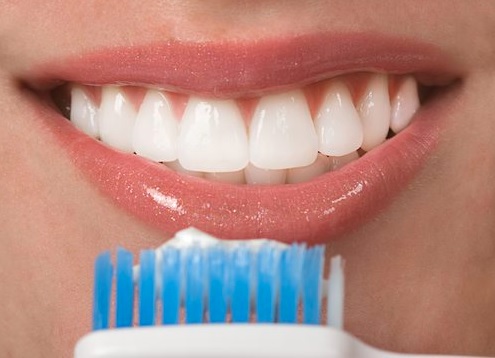
Daily care remains necessary
Veneers do not remove the need to clean the teeth and gumline. Follow your dentist’s advice on brushing and cleaning between teeth. The tooth beneath a veneer can still develop decay, and the surrounding gums need ongoing care.
Attend reviews at the interval recommended for your circumstances. Tell the dentist about grinding, clenching or habits that place force on the restorations so they can discuss appropriate management.
Know when to contact the dentist
A loose or chipped veneer, persistent sensitivity, a change in the bite or sore gums should be assessed. Do not glue a detached veneer back yourself. Keep it if possible and ask the practice what to do next.
Repair may be possible in some situations, while others need replacement or different care. No fixed lifespan can be promised. Before initial treatment, ask about future maintenance and the consequences of preparing the underlying tooth.
Consider this before choosing veneers
Veneers can involve irreversible removal of enamel. Risks include sensitivity, chipping, debonding, gum irritation, changes in the bite and a colour or shape that does not meet expectations. The underlying tooth can still develop decay, and further treatment or replacement may be needed.
Discuss alternatives such as limited bonding, orthodontic assessment, whitening where suitable or keeping your teeth as they are. Before invasive or irreversible treatment, you may wish to seek a second opinion from an appropriately qualified dental practitioner.
Related articles
- Considering Veneers: Benefits, Limits and Future Care
- Veneer Materials and Tooth Preparation
- Dental Veneers: Materials, Risks and Maintenance
This article provides general information only. An examination is needed to assess your circumstances and suitability for treatment. All dental treatment carries risks, and results vary between individuals.