
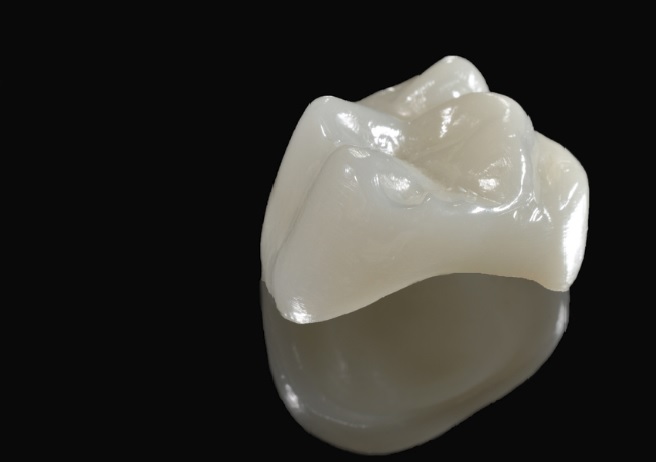
Images are included for general illustration and do not establish or predict an individual treatment outcome.
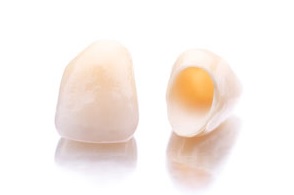
Understand why a crown is proposed
A crown covers a prepared tooth and may be considered when the remaining structure needs protection or restoration. The dentist assesses the tooth, gums, bite and existing dental work before recommending it. Not every damaged tooth needs a crown.
Ask whether a filling, partial-coverage restoration, monitoring or another approach could be suitable. The options depend on the extent and cause of the damage.
Compare materials and the treatment process
Discuss material choice, tooth preparation, appointments and any temporary restoration. A particular brand, machine or online review cannot establish which option is appropriate for your tooth. Ask how the plan accounts for bite forces and appearance.
Crowns can involve irreversible removal of tooth structure. Risks include sensitivity, tooth or crown fracture, loosening, gum irritation and possible need for root canal treatment. Decay can still develop around the tooth.
Plan for future care
Ask about cleaning, review and possible repair or replacement costs. A crown has no guaranteed lifespan. Before invasive or irreversible treatment, consider a second opinion from an appropriately qualified dental practitioner if you remain uncertain.
Related articles
- Dental Workplace Benefits: Check the Current Terms
- Dental Costs and Technology: Questions to Ask
- Visiting Sydney CBD Dentistry: Planning Your Appointment
This article provides general information only. An examination is needed to assess your circumstances and suitability for treatment. All dental treatment carries risks, and results vary between individuals.