

Images are included for general illustration and do not establish or predict an individual treatment outcome.
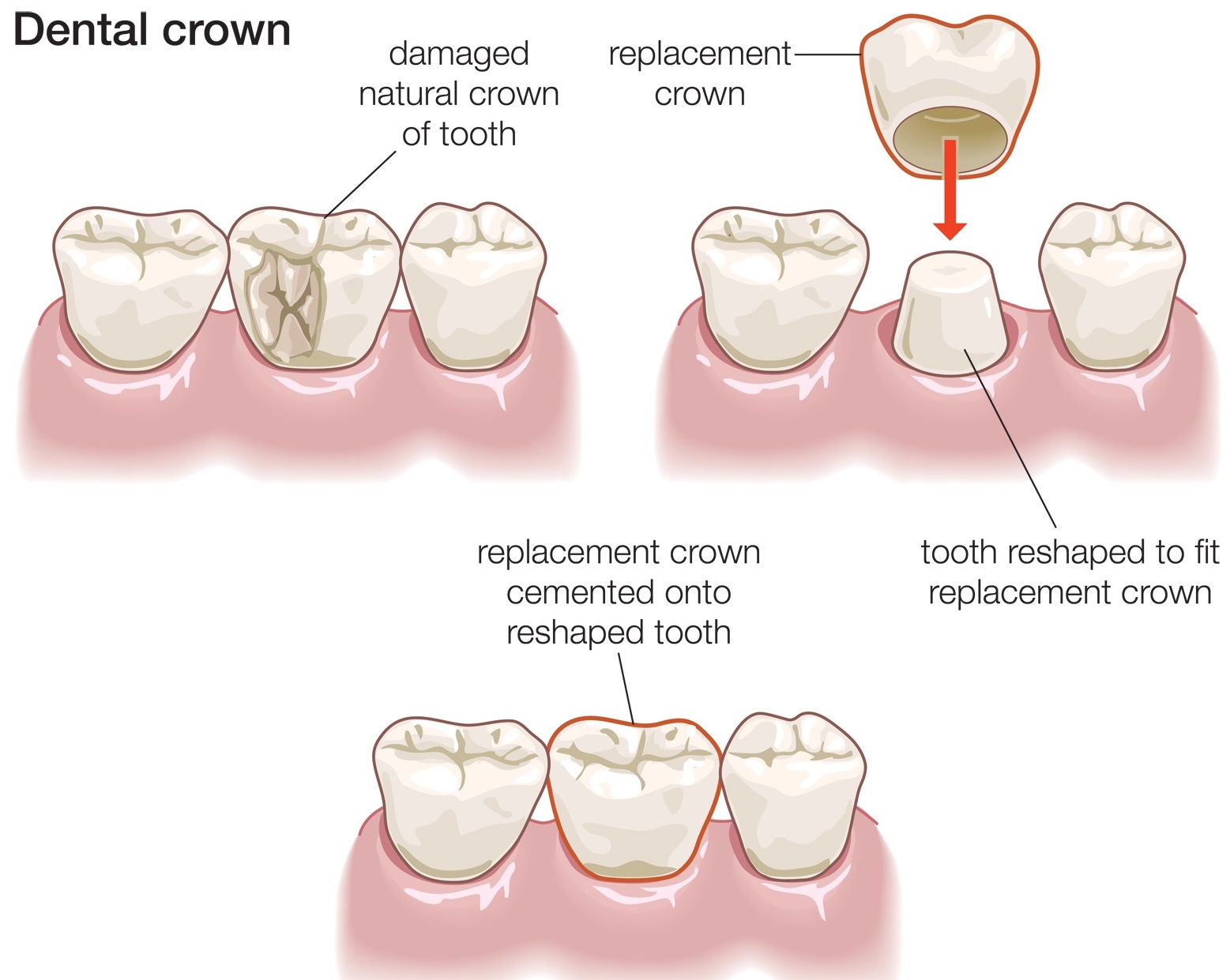
Confirm why a crown is proposed
A crown may be considered for a tooth needing protection or restoration after assessment. Ask what the examination shows and whether a filling, partial-coverage restoration or another approach could be suitable.
The cost discussion should follow the clinical plan. A crown is not automatically required for every damaged or root-treated tooth.
Compare inclusions and materials
Ask whether the estimate includes assessment, imaging, preparation, temporary work, laboratory fees, fitting and reviews. Clarify any additional procedures and how changes to the plan would affect costs.
Discuss material suitability and maintenance rather than assuming the most expensive option is best. Historical prices, manufacturing claims and warranty terms in older articles should be confirmed directly; none are promised here.
Consider the future commitment
Crowns involve preparation of the tooth, which can be irreversible. Risks include sensitivity, fracture, loosening, gum irritation, decay around the tooth and possible need for root canal treatment. Repair or replacement may be needed and no lifespan is guaranteed.
Ask about alternatives, expected recovery and future maintenance. Before invasive or irreversible treatment, you may wish to seek a second opinion from an appropriately qualified dental practitioner.
Related articles
- Invisalign Costs: What a Treatment Quote Should Explain
- Scale and Clean: Purpose, Process and Follow-Up
- Tooth Crown Quotes: Materials, Steps and Maintenance
This article provides general information only. An examination is needed to assess your circumstances and suitability for treatment. All dental treatment carries risks, and results vary between individuals.