

Images are included for general illustration and do not establish or predict an individual treatment outcome.
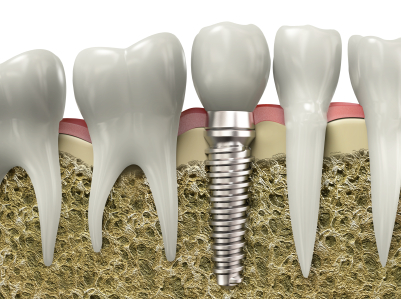
Different ways to replace missing teeth
A dental implant is placed in the jawbone and can support a crown, bridge or denture. A conventional removable denture rests on the gums and may also use remaining teeth for support. Some dentures attach to implants and are still removed for cleaning. These are different treatment designs, rather than a single choice between fixed and removable teeth.
Your dentist considers the teeth being replaced, bone and gum health, bite, medical history and ability to maintain the restoration. An existing denture that feels loose should be assessed; adjustment or replacement may be an alternative to implant treatment.
Consider the ongoing commitment
Implants involve surgery and a healing period. The replacement teeth and their attachments also need maintenance and may need repair or replacement. A removable denture has its own cleaning and review requirements. Neither approach removes the need for regular dental care.
Ask for a written comparison of treatment stages, expected limitations and costs. A photograph or another person’s experience cannot predict comfort, appearance or suitability in your case.
Weigh risks and alternatives
Implant surgery can cause pain, swelling, bleeding or infection. Other risks include failure to integrate with the bone and injury to nearby teeth, nerves or the sinus. Gum and bone problems or loose and damaged components can develop later. Ask which risks apply to your proposed treatment.
Discuss alternatives such as a suitable bridge or removable denture, and whether leaving the space under review is reasonable. Before invasive or irreversible treatment, you may wish to seek a second opinion from an appropriately qualified dental practitioner.
Related articles
- Understanding the Parts of a Dental Implant
- Replacing Several Teeth with Implant-Supported Teeth
- The Dental Implant Process: Stages and Timing
This article provides general information only. An examination is needed to assess your circumstances and suitability for treatment. All dental treatment carries risks, and results vary between individuals.