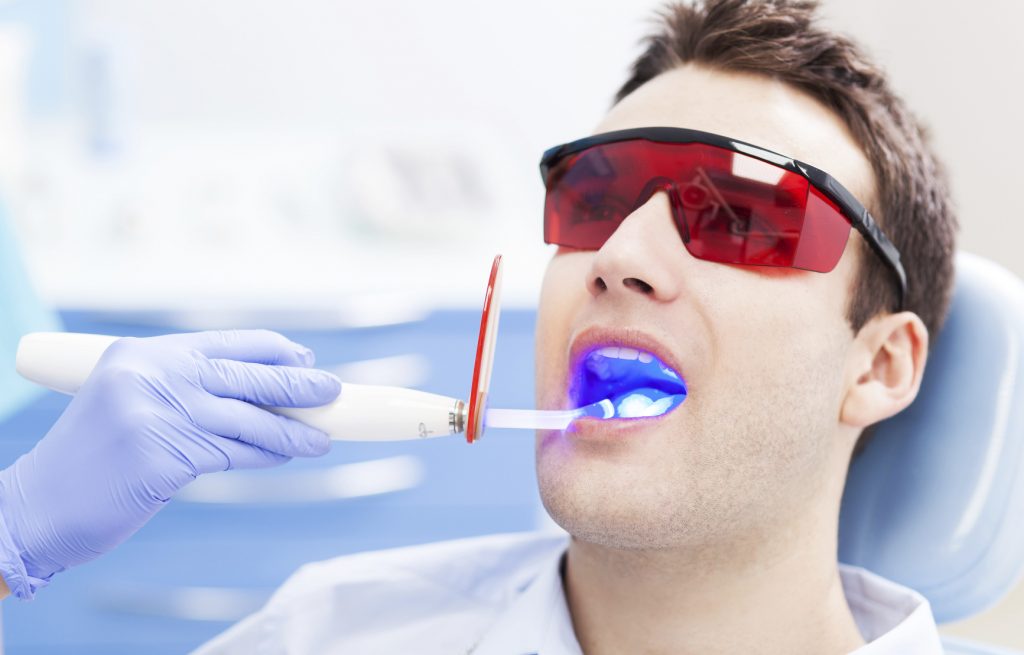
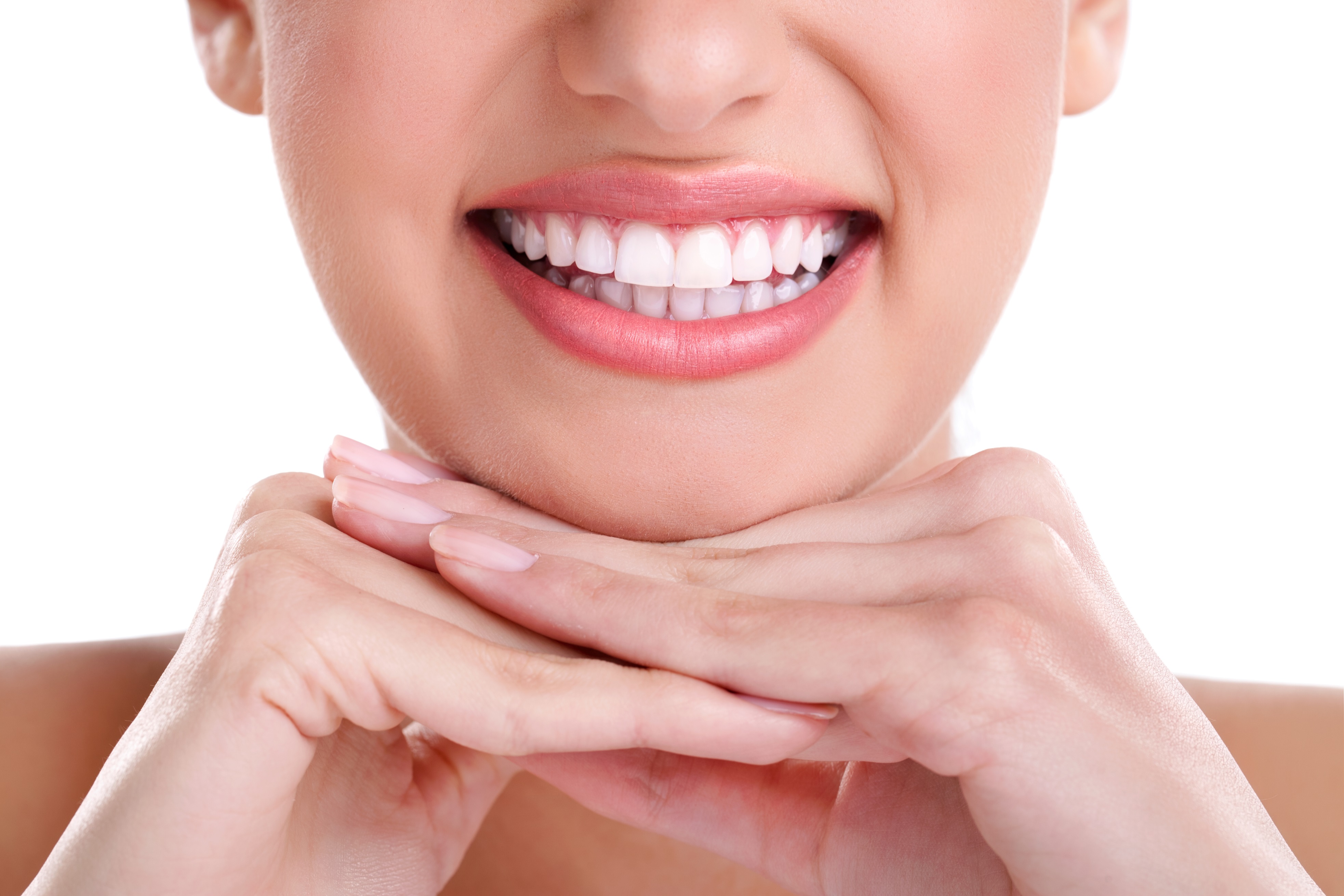
Images are included for general illustration and do not establish or predict an individual treatment outcome.
Colour changes have different causes
Food and drinks, tobacco, ageing, medicines and previous injury can affect tooth colour. Some stains are on the surface; others arise within the tooth. Natural colour also differs between people and is not, by itself, a measure of dental health.
A dentist can assess the pattern and history of a colour change. Tell them when it began, whether a tooth was injured and whether there is pain or sensitivity. Do not assume that every dark area is a stain.
Treatment depends on the findings
Professional cleaning may address some surface staining. Whitening may be an option for certain discolouration, but not every cause responds in the same way. A tooth with decay, injury or a problem inside it may need other care.
Avoid abrasive scrubbing or acidic home remedies intended to force a colour change. Ask which approach, if any, is appropriate for the cause and what the limitations are. Choosing to keep your natural tooth colour is also an option.
If whitening is considered
Whitening can cause tooth sensitivity and irritation or chemical burns to the gums and other soft tissues. The degree and duration of colour change vary. Fillings, crowns and veneers do not whiten with natural teeth, so a mismatch may become more noticeable.
A dental assessment helps identify the cause of discolouration and whether whitening is appropriate. Discuss alternatives, including leaving your natural colour unchanged. Follow the prescribed product instructions and contact your dentist about significant or persistent symptoms.
Related articles
- Teeth Whitening: Suitability and Limitations
- Professional Whitening: What the Process Involves
- Whitening Options: In-Clinic and Take-Home Treatment
This article provides general information only. An examination is needed to assess your circumstances and suitability for treatment. All dental treatment carries risks, and results vary between individuals.