
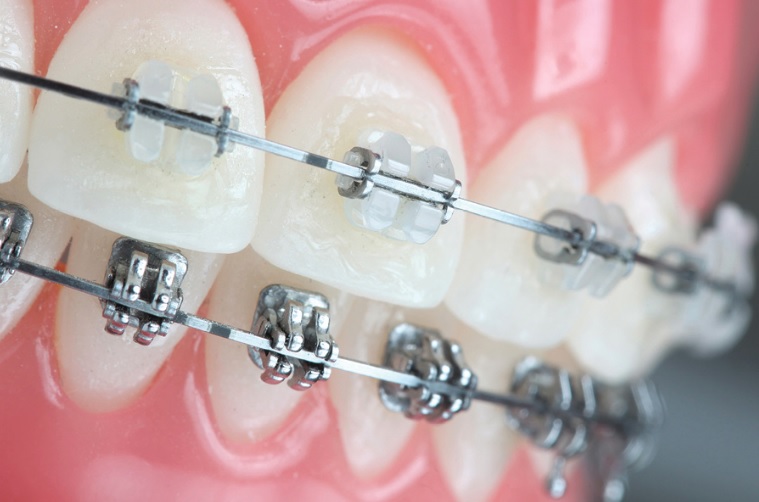
Images are included for general illustration and do not establish or predict an individual treatment outcome.
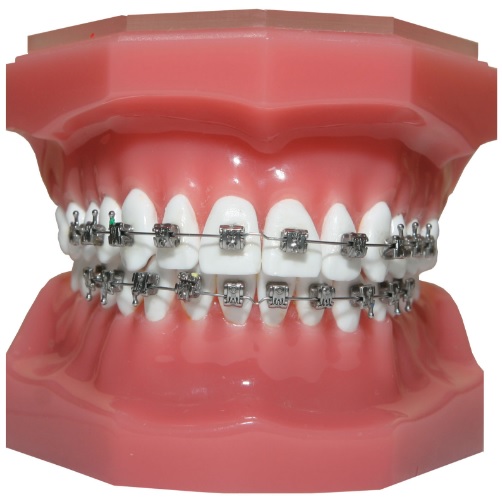
Assessment comes before appliance selection
An orthodontic assessment considers tooth positions, bite, jaw relationships and the health of the teeth and supporting tissues. Photographs, scans or impressions and X-rays may be needed. The clinician explains the findings and whether treatment, monitoring or referral is appropriate.
Ask what treatment is intended to achieve and what it may not change. Some general dentists provide orthodontic treatment; an orthodontist is a registered dental specialist. Clarify who will provide and supervise your care.
Active treatment needs review
Braces or aligners are used according to the treatment plan, with appointments to review movement, appliance fit and oral health. Follow instructions about cleaning, food and appliance wear. Tell the clinician about breakages or unexpected symptoms rather than attempting repairs yourself.
The timetable depends on the case and response to treatment. Once active movement finishes, a retention plan helps manage the tendency of teeth to move. Ask about retainer wear, replacement and future review appointments.
Discuss risks and alternatives first
Orthodontic treatment can cause soreness and irritation. Other risks include decay or white marks, gum problems, changes to tooth roots and unwanted tooth movement. Teeth may move again after treatment. Ask which risks apply to your mouth, how they will be monitored and what retention will involve.
Discuss suitable alternatives, including different appliances or no treatment where appropriate. If extraction, enamel reduction or another irreversible procedure is proposed, ask why it is needed and consider a second opinion from an appropriately qualified dental practitioner before deciding.
Related articles
- Orthodontic Assessment: Teeth, Bite and Treatment Options
- Clear Aligners: Daily Wear, Cleaning and Review
- Braces Costs: What to Ask Before Treatment
This article provides general information only. An examination is needed to assess your circumstances and suitability for treatment. All dental treatment carries risks, and results vary between individuals.