

Images are included for general illustration and do not establish or predict an individual treatment outcome.
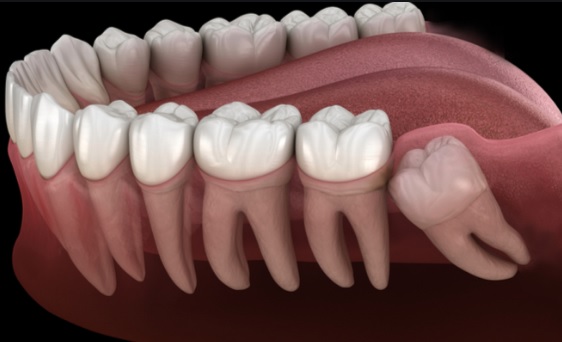
Establish whether removal is needed
Wisdom teeth do not all need removal. A dentist assesses symptoms, the tooth’s position, nearby structures and any disease, using imaging when indicated. Discuss the benefits and risks of removal compared with monitoring.
Complex cases may need referral to an appropriately qualified practitioner. Ask who would carry out the procedure and whether the proposed setting is a dental practice or hospital.
Discuss the procedure and costs
Ask about the planned anaesthetic or sedation, why it is appropriate and any preparation or escort requirements. Sedation is not automatically required for every extraction. Fees depend on the actual plan and setting; old price ranges are not a quote.
Potential complications include bleeding, infection, dry socket and injury to nearby structures, including nerves. The risks depend partly on the tooth’s position. Ask about the risks specific to you and consider a second opinion before surgical or invasive treatment.
Follow individual recovery instructions
Some pain, swelling or restricted mouth opening can occur after removal. Recovery varies; ask when to resume work, exercise and normal eating rather than assuming a fixed number of days. Follow the written advice on wound care and medicines.
Ask whom to contact for persistent bleeding, worsening pain, fever or other concerning symptoms. Severe bleeding, difficulty breathing or swallowing, or rapidly spreading swelling requires urgent medical assessment.
Related articles
- Dental Implant Costs: Understanding the Treatment Plan
- Emergency Dental Care: Assessment and Next Steps
- Sydney CBD Dental Visits: Services and Planning
This article provides general information only. An examination is needed to assess your circumstances and suitability for treatment. All dental treatment carries risks, and results vary between individuals.