Prevention is an individual plan
Preventive dental care aims to reduce the risk of disease and identify problems that need attention. It combines habits at home with professional assessment. It cannot promise that you will avoid every filling or other treatment, and it should not be presented as a guaranteed financial saving.
Your needs may change with age, medicines, dry mouth, existing restorations and other health factors. Tell your dentist about changes so the plan reflects your circumstances rather than a standard package.
Care between appointments
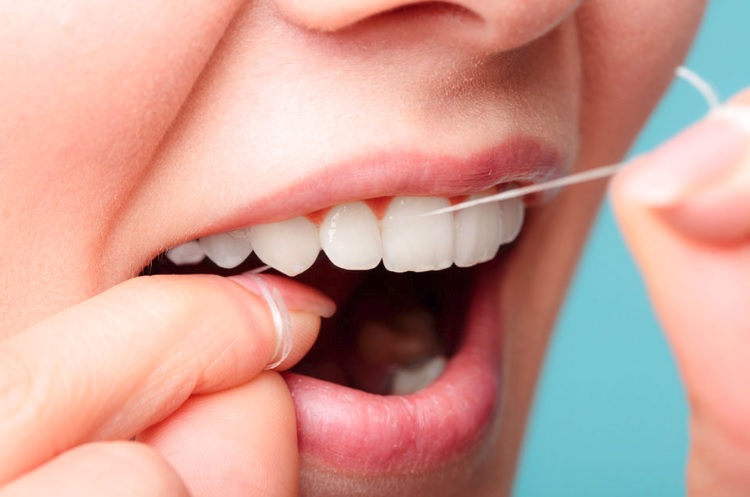
Brush twice daily with fluoride toothpaste and clean between your teeth. Ask which interdental tools suit your mouth and how to use them. Brushing harder is not the answer to every cleaning difficulty; technique and access matter.
Frequent exposure to sugary foods and drinks can contribute to decay risk. Discuss practical changes you can maintain. Tobacco use and persistent dry mouth also warrant advice. Do not stop prescribed medicines to address a dry mouth without speaking to the prescriber.
What a dental review can include
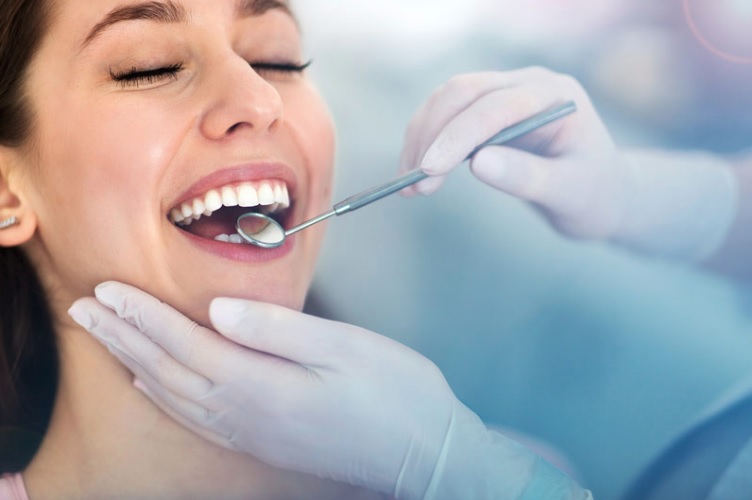
An examination considers the teeth, gums and other oral tissues. X-rays are taken when indicated, rather than automatically at every visit. Cleaning may be recommended for deposits that cannot be removed at home.
Fluoride applications or fissure sealants may be considered for particular risks. Ask what problem an intervention is intended to prevent, its limitations and what monitoring is needed. Not everyone needs every preventive procedure.
Benefits, limitations and follow-up
Professional cleaning can cause short-term sensitivity or gum tenderness. Other procedures have their own considerations, which should be explained before you agree. Prevention and monitoring do not replace treatment when active disease needs care.
Agree on a recall interval based on your risk and findings. Seek advice earlier for pain, swelling, persistent bleeding or a damaged tooth. If an area needs treatment, ask about the options and the consequences of delaying it. A plan can include advice and observation where intervention is not currently indicated.
Related articles
This article provides general information only. An examination is needed to assess your circumstances and suitability for treatment. All dental treatment carries risks, and results vary between individuals.