Tooth Cap (Dental Crown) in Sydney CBD: Benefits, Limits and Cost

4 April 2022 Images are included for general illustration and do not establish or predict an individual treatment outcome. Understand the term tooth cap A tooth cap is a common name for a crown. It may help restore a selected damaged tooth after assessment, but it cannot save every tooth or reverse all underlying disease. The amount of sound structure and condition of supporting tissues matter. Bookings are with our Sydney CBD dentist at 70 Pitt Street. Ask whether a filling, onlay, crown or another approach is suitable. Replacing a missing tooth is a separate decision with its own options and risks. Avoid assumptions about appearance or protection Crowns can be made from different materials with different uses and limitations. Discuss the bite, appearance, preparation and maintenance rather than choosing on a promise of perfect matching or permanent strength. A crown should not be promoted as a way to preserve youthfulness or guarantee facial shape. The recommendation needs an individual dental rationale. Plan for the longer term Crowns involve preparation of the tooth, which can be irreversible. Risks include sensitivity, fracture, loosening, gum irritation, decay around the tooth and possible need for root canal treatment. Repair or replacement may be needed and no lifespan is guaranteed. Ask about alternatives, expected recovery and future maintenance. Before invasive or irreversible treatment, you may wish to seek a second opinion from an appropriately qualified dental practitioner. Related articles New Patient Appointments: Fees and Inclusions Invisalign Costs: What a Treatment Quote Should Explain Dental Emergencies: Getting the Right Assessment This article provides general information only. An examination is needed to assess your circumstances and suitability for treatment. All dental treatment carries risks, and results vary between individuals.
Budgeting for Implant-Supported Replacement Teeth
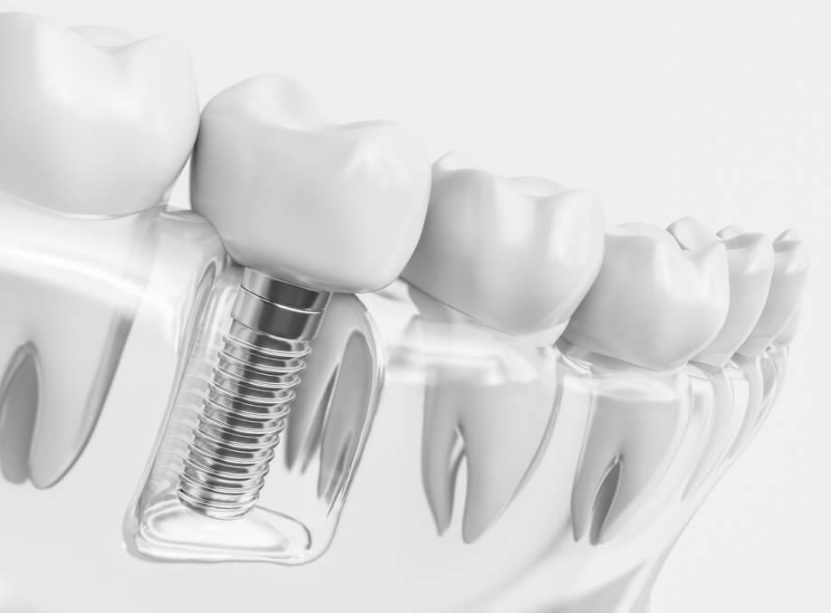
18 March 2022 Images are included for general illustration and do not establish or predict an individual treatment outcome. Define the treatment being estimated “Implant teeth” can describe a single crown, a bridge or an implant-retained denture. Ask which design is proposed, how many implants it uses and whether the teeth would be removable. These plans involve different components and stages, so their prices cannot be compared by the number of teeth alone. Clarify whether the estimate includes assessment, imaging, surgery, the replacement teeth and reviews. Ask about any separate extraction, grafting, temporary teeth, referral or anaesthetic fees. Allow for ongoing care Implants and their restorations need cleaning and professional review. Components can wear, loosen or break, and surrounding tissues can develop problems. Ask how maintenance and repairs are arranged and whether any fees are outside the initial estimate. Get current written information from Sydney CBD Dentistry. Older advertised amounts and free-consultation claims are not a current offer. Confirm insurance benefits and your expected out-of-pocket cost before treatment. If a staged plan is discussed, ask what each stage achieves and the implications of delaying later care. Choose with clinical needs in mind Implant surgery can cause pain, swelling, bleeding or infection. Other risks include failure to integrate with the bone and injury to nearby teeth, nerves or the sinus. Gum and bone problems or loose and damaged components can develop later. Ask which risks apply to your proposed treatment. Discuss alternatives such as a suitable bridge or removable denture, and whether leaving the space under review is reasonable. Before invasive or irreversible treatment, you may wish to seek a second opinion from an appropriately qualified dental practitioner. Related articles Replacing Several Teeth with Implant-Supported Teeth Dental Implant Estimates: What Should Be Included? Dental Implant Costs: Weighing the Whole Decision This article provides general information only. An examination is needed to assess your circumstances and suitability for treatment. All dental treatment carries risks, and results vary between individuals.
How a Tooth Crown Works and What to Consider
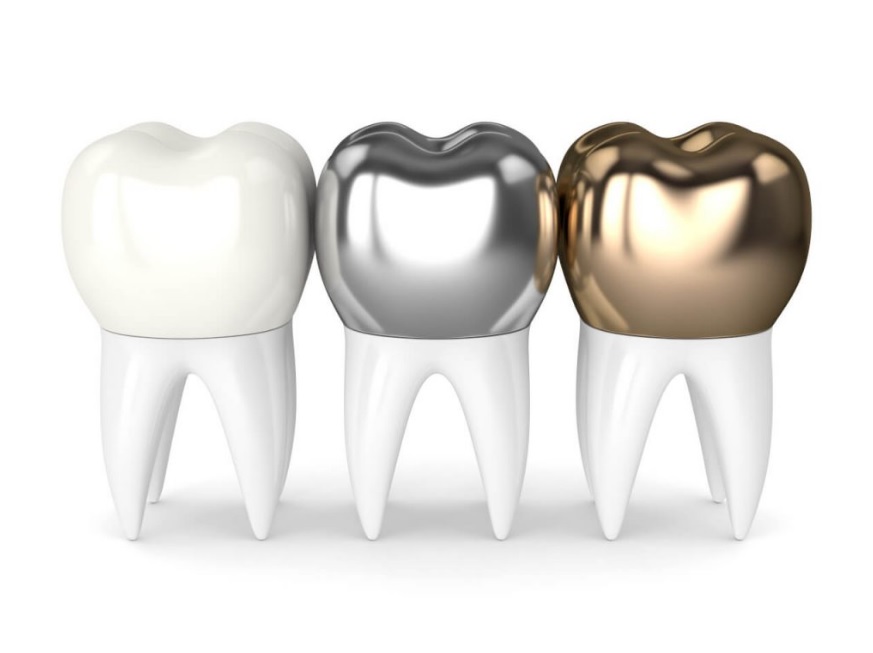
14 March 2022 Images are included for general illustration and do not establish or predict an individual treatment outcome. A crown is a restoration A crown covers a prepared tooth or is attached to an implant component, depending on the treatment. On a natural tooth it may be considered when remaining structure needs restoration or protection. It is not a guarantee against future damage. Assessment of the tooth, gums and bite helps determine suitability. A crown is not automatically necessary after every root canal procedure, and an implant crown involves a different process from tooth preparation. Understand the planned steps Ask about preparation, records or scans, temporary restoration if needed, fitting and reviews. Discuss materials, limitations and the alternatives to covering the tooth. The dentist should explain how the restoration will be supported and cleaned. No crown can be promised to feel or look exactly like a natural tooth in every situation. Consider risks and maintenance Crowns involve preparation of the tooth, which can be irreversible. Risks include sensitivity, fracture, loosening, gum irritation, decay around the tooth and possible need for root canal treatment. Repair or replacement may be needed and no lifespan is guaranteed. Ask about alternatives, expected recovery and future maintenance. Before invasive or irreversible treatment, you may wish to seek a second opinion from an appropriately qualified dental practitioner. Related articles Tooth Caps: Benefits, Limitations and Alternatives Dental Crown Costs: Understanding the Full Estimate Scale and Clean: Purpose, Process and Follow-Up This article provides general information only. An examination is needed to assess your circumstances and suitability for treatment. All dental treatment carries risks, and results vary between individuals.
Dental Filling Materials: How Choices Are Made
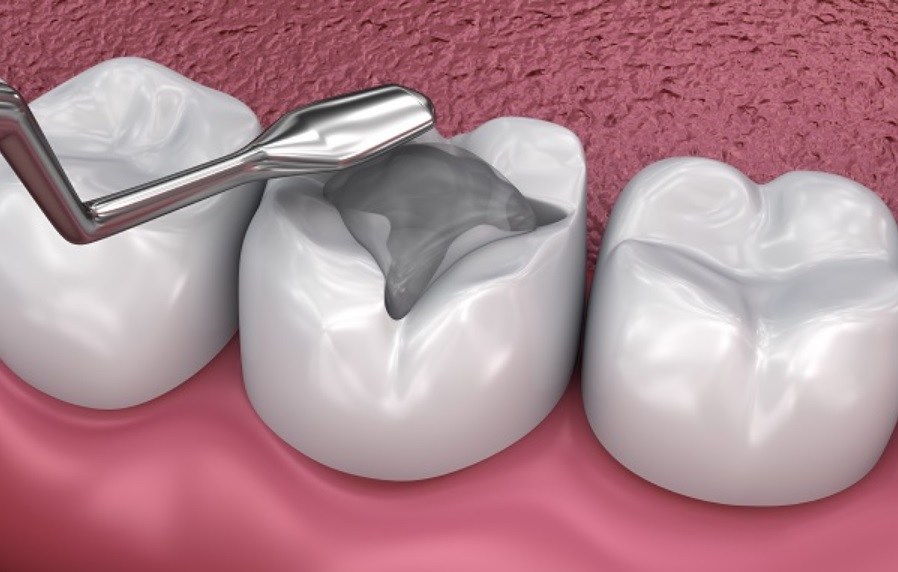
26 February 2022 Images are included for general illustration and do not establish or predict an individual treatment outcome. Assess the tooth before selecting a material A filling may be used to restore a tooth affected by decay or damage. The amount and position of missing structure, the bite and the condition of the remaining tooth influence the options. Not every early change needs drilling, and not every damaged tooth can be managed with a filling. Ask what the examination shows and whether imaging or other tests are indicated. Symptoms and colour changes alone do not establish the extent of decay. Discuss the available approaches Composite resin and glass ionomer are examples of materials used for selected restorations. A larger area may sometimes be restored with an inlay, onlay or crown. The choice depends on the clinical situation rather than a rule that one material is always best. Ask about tooth preparation, appearance, expected limitations and cost. Risks can include sensitivity, wear, fracture, loosening and further decay. A deeply affected tooth may need additional treatment, including root canal treatment. Plan ongoing care No restoration has a guaranteed lifespan. Cleaning, reviews and the forces on the tooth affect maintenance needs. Ask about alternatives and what to do if discomfort or a change in the bite persists after treatment. Related articles Comparing Dental Clinics: Practical Questions Preparing Questions for Your Dental Appointment Early Dental Symptoms: When to Arrange an Assessment This article provides general information only. An examination is needed to assess your circumstances and suitability for treatment. All dental treatment carries risks, and results vary between individuals.
Tooth Crown Quotes: Materials, Steps and Maintenance

26 November 2021 Images are included for general illustration and do not establish or predict an individual treatment outcome. Identify the tooth’s needs Crown planning depends on the remaining tooth, its position, the bite and previous treatment. Ask why a crown is proposed and whether another restoration or monitoring would be reasonable. Appearance is one factor among several. An implant-supported crown and a crown on a natural tooth involve different supporting structures. Clarify which procedure the estimate describes. Ask how material and process affect the fee Discuss the proposed material, preparation, production process and number of visits. No material can be assumed to suit every front or back tooth. Confirm current availability rather than relying on equipment claims in an older article. Check assessment, temporary work, fitting and reviews, and ask about possible extra procedures. Historical prices and warranty wording do not establish current terms. Include future care in the decision Crowns involve preparation of the tooth, which can be irreversible. Risks include sensitivity, fracture, loosening, gum irritation, decay around the tooth and possible need for root canal treatment. Repair or replacement may be needed and no lifespan is guaranteed. Ask about alternatives, expected recovery and future maintenance. Before invasive or irreversible treatment, you may wish to seek a second opinion from an appropriately qualified dental practitioner. Related articles Finding No-Gap Dental Information You Can Rely On New Patient Appointments: Fees and Inclusions Choosing Dental Care in Sydney: An Informed Approach This article provides general information only. An examination is needed to assess your circumstances and suitability for treatment. All dental treatment carries risks, and results vary between individuals.
Dental Bridge Costs: Comparing the Complete Plan

19 November 2021 Images are included for general illustration and do not establish or predict an individual treatment outcome. Understand the proposed bridge A dental bridge replaces a space using support from teeth or implants, depending on the design. The condition of the supporting tissues, bite and nearby teeth affects suitability. Ask why the proposed approach is appropriate. Alternatives may include a removable denture, implant-supported restoration or leaving the space under review. These options have different risks and costs; there is no universal best-value choice. Check what the estimate covers Ask about the number of units, materials, preparation, temporary work, laboratory fees and reviews. Additional treatment to supporting teeth or gums may be needed and should be explained separately. Do not rely on an old per-unit price to calculate the full plan. Confirm possible additional costs, insurance benefits and future maintenance before proceeding. Consider risks and alternatives A tooth-supported bridge may require irreversible preparation. Risks include sensitivity, decay or problems in supporting teeth, gum irritation, fracture and loosening. Cleaning can require additional aids, and repair or replacement may be necessary. Discuss alternatives and consider a second opinion before invasive or irreversible treatment. Plan daily cleaning Ask your dental practitioner to demonstrate cleaning beneath the bridge. A floss threader or interdental brush may be needed, depending on the design. Include review appointments and possible future repairs in your cost discussion. Further reading Healthdirect: dental bridge provides general patient information about this treatment. Discuss how it applies to your circumstances with your dentist. Related articles Preparing for a Cosmetic Dental Consultation How a Tooth Crown Works and What to Consider Dental Crown Costs: Understanding the Full Estimate This article provides general information only. An examination is needed to assess your circumstances and suitability for treatment. All dental treatment carries risks, and results vary between individuals.
What Affects the Cost of a Dental Filling?

12 November 2021 Images are included for general illustration and do not establish or predict an individual treatment outcome. The examination comes before the quote A filling fee depends on the work proposed for a particular tooth. The dentist assesses the affected surfaces, the depth of decay or damage and the condition of the remaining tooth. An online description cannot determine the appropriate restoration or its cost. Ask which tooth needs attention and why. A large restoration, a repair and a new filling may involve different work. Avoid assuming that a back tooth always costs a fixed amount more than a front tooth, or that size alone determines the fee. Compare the options on the same basis Different materials and restoration designs have different uses. A direct filling is placed in the tooth, while an inlay or onlay may involve a separate fabrication process. The recommendation should reflect the tooth’s needs, with the reasons and alternatives explained. Ask whether the estimate covers all planned visits, the restoration, anaesthetic and any additional assessment or imaging. Request current fees from Sydney CBD Dentistry. A historic price range is not a personalised estimate, and a higher price does not by itself establish a better outcome. Ask about limits and future care A filling can require repair or replacement later. Sensitivity, fracture, recurrent decay and further treatment are possible, especially when a tooth has extensive damage. Ask what can reasonably be expected and which symptoms need review. Discuss whether monitoring is appropriate, the implications of delaying care and any separate costs if the plan changes. Confirm health-fund benefits directly for your proposed treatment. For an invasive procedure, you may wish to seek a second opinion from an appropriately qualified dental practitioner. Related articles Tooth Fillings: Assessment, Costs and Ongoing Care Dental Filling Costs: Materials and Treatment Scope Dental Fillings: Choosing a Suitable Restoration This article provides general information only. An examination is needed to assess your circumstances and suitability for treatment. All dental treatment carries risks, and results vary between individuals.
Tooth Replacement After Extraction: Costs and Choices
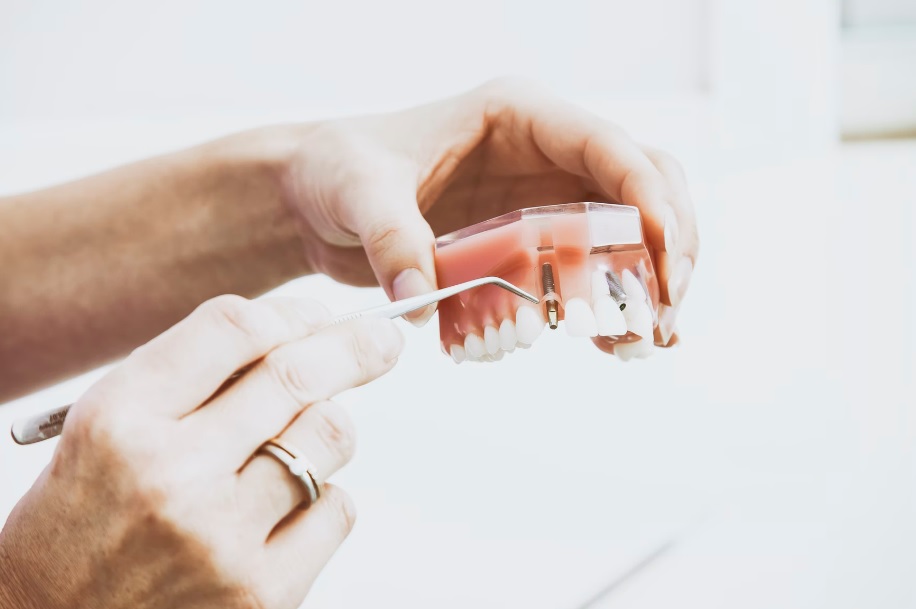
3 November 2021 Images are included for general illustration and do not establish or predict an individual treatment outcome. Plan for the space after removal When an extraction is proposed, ask whether the space needs replacement and what options are appropriate. The answer depends on its position, the surrounding teeth, your bite and other findings. An extraction does not automatically commit you to an implant. If an implant is being considered, discuss the condition of the bone and gums and whether additional treatment would be needed. Ask how the timing of extraction, healing and replacement affects the plan. Separate extraction and replacement costs A tooth-removal estimate may not include replacement of the missing tooth. Request a written explanation of assessment, imaging, implant placement, connecting components and the final restoration, plus any grafting or temporary tooth charges. Ask Sydney CBD Dentistry for current fees and confirm any health-fund benefit directly. Old package prices, consultation offers and equipment descriptions do not establish current inclusions or a guaranteed result. Discuss ongoing cleaning, reviews and possible future repairs as well. Make each decision with its risks in view Implant surgery can cause pain, swelling, bleeding or infection. Other risks include failure to integrate with the bone and injury to nearby teeth, nerves or the sinus. Gum and bone problems or loose and damaged components can develop later. Ask which risks apply to your proposed treatment. Discuss alternatives such as a suitable bridge or removable denture, and whether leaving the space under review is reasonable. Before invasive or irreversible treatment, you may wish to seek a second opinion from an appropriately qualified dental practitioner. Related articles Tooth Extraction: Planning and Aftercare The Dental Implant Process: Stages and Timing Single-Tooth Implant Costs: Reading Your Estimate This article provides general information only. An examination is needed to assess your circumstances and suitability for treatment. All dental treatment carries risks, and results vary between individuals.
Root Canal Care: Costs, Risks and Alternatives

27 October 2021 Images are included for general illustration and do not establish or predict an individual treatment outcome. Check whether the tooth can be retained Root canal treatment is considered when the pulp inside a tooth is damaged or infected and the tooth is suitable for restoration. It is not automatically the answer for every cracked, painful or heavily decayed tooth. Examination and tests help establish the diagnosis and likely options. Ask about the remaining tooth structure, gum support and any uncertainty affecting the prognosis. Treatment aims to retain a usable tooth; it does not guarantee that extraction will never be needed. Separate the treatment components The plan may include assessment, imaging, treatment of the canals and a final restoration. Ask which components are included in the root canal estimate and which are charged separately. A crown, core or post is not required in the same way for every tooth. The complexity of the case, previous treatment and any specialist referral can affect fees. Contact Sydney CBD Dentistry for an estimate based on the proposed care. If using a health fund, confirm benefits and limits against the relevant item numbers before relying on a rebate. Make an informed decision Ask about the benefits, expected recovery and risks, including persistent infection, fracture, instrument complications and additional treatment. Extraction may be an alternative, with its own risks and possible replacement decisions. Leaving infection untreated can allow it to worsen; ask how urgently your situation needs attention. Discuss any concerns about cost or tolerating the procedure before giving consent. The dentist can explain the available options and whether referral is appropriate. Before invasive treatment, you may wish to seek a second opinion from an appropriately qualified dental practitioner. Related articles Root Canal Costs: Understanding Your Estimate Planning the Cost of Root Canal Treatment Root Canal Treatment: Planning and Follow-up This article provides general information only. An examination is needed to assess your circumstances and suitability for treatment. All dental treatment carries risks, and results vary between individuals.
Replacing a Missing Tooth: Options and Trade-Offs
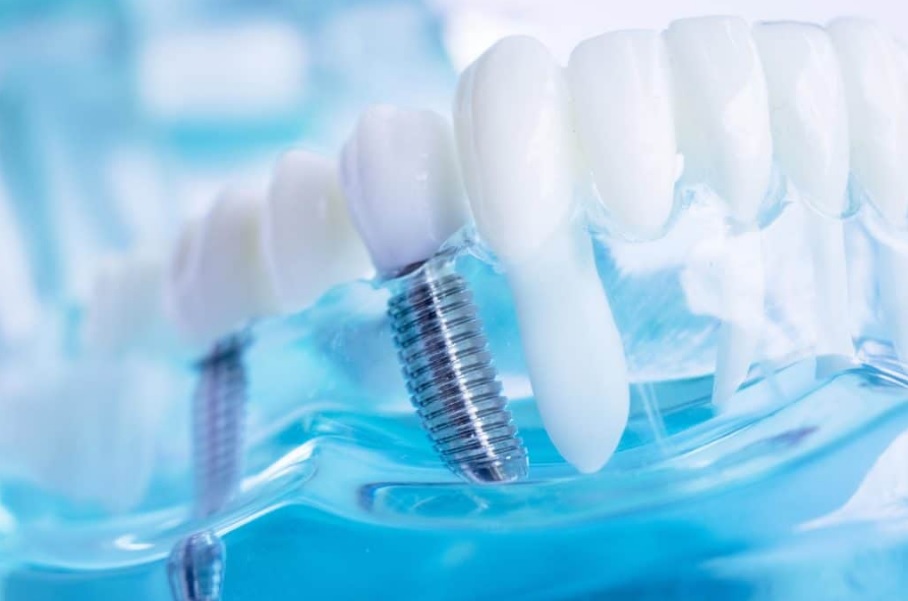
3 September 2021 Images are included for general illustration and do not establish or predict an individual treatment outcome. Assess the space and surrounding teeth The effect of a missing tooth depends on its position, the bite, nearby teeth and your own concerns. Ask whether replacement is needed now, whether monitoring is reasonable and what changes might occur if the space remains. The dentist considers oral and general health before discussing options. Additional assessment or referral may be needed, particularly if surgery is being considered. Understand the different approaches Options may include a removable denture, a bridge supported by other teeth or an implant-supported restoration. A bridge may require preparation of supporting teeth. An implant involves surgery and sufficient supporting tissues. Suitability varies between people. Risks differ: dentures may move or cause sore areas; bridges can loosen or place demands on supporting teeth; implants can develop infection, fail to integrate or damage nearby structures. All options require cleaning, review and possible repair or replacement. Compare the long-term plan Ask about alternatives, appointments, healing, maintenance and the full cost. No option has a guaranteed lifespan. Before invasive or irreversible treatment, consider a second opinion from an appropriately qualified dental practitioner. Related articles Managing Dental Costs Without Skipping Assessment Planning Dental Care Around Your Needs Choosing a Dentist: Questions That Help This article provides general information only. An examination is needed to assess your circumstances and suitability for treatment. All dental treatment carries risks, and results vary between individuals.