
Cosmetic Dentistry

Teeth Whitening: How to Safely Brighten Your Smile
Teeth Whitening: How to Safely Brighten Your Smile

Teeth Whitening in Sydney

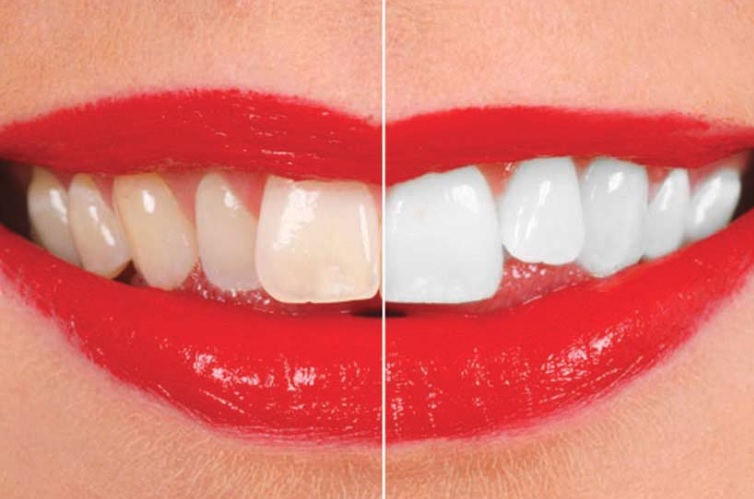
A bright, healthy-looking smile is often associated with confidence, wellbeing, and positive first impressions. In today’s digital and social media–driven world, it is no surprise that teeth whitening has become one of the most commonly requested cosmetic dental treatments. While naturally white teeth are not essential for good oral health, many people seek whitening options to address stains or discolouration that develop over time.

If you are considering teeth whitening Sydney CBD or searching for teeth whitening near me, it is important to understand how the treatment works, what options are available, and whether it is suitable for your individual dental needs. This article explores professional and at-home whitening methods, safety considerations, and why dental supervision plays an important role in achieving predictable and appropriate results.

What Causes Tooth Discolouration?

Tooth discolouration can occur for a variety of reasons and may affect people differently. Common contributing factors include:

  • Consumption of staining foods and drinks such as coffee, tea, red wine, and dark-coloured sauces

  • Smoking or tobacco use

  • Age-related changes, as enamel naturally thins over time

  • Certain medications or excessive fluoride exposure during tooth development

  • Dental trauma, which may cause internal discolouration

Because the cause of discolouration varies, whitening outcomes can also differ between individuals. A dental assessment helps determine whether professional teeth whitening Sydney is appropriate and what level of improvement may be achievable.

Understanding Teeth Whitening Options

There are two broad categories of teeth whitening: in-chair (professional) whitening and at-home whitening. Each has its own considerations, benefits, and limitations.

In-Chair Teeth Whitening

In-chair whitening is a form of professional teeth whitening performed in a dental clinic under the supervision of trained dental professionals. This option involves the controlled application of a whitening agent to the teeth, often supported by a specialised light system, with measures taken to protect the gums and surrounding tissues.

At Sydney CBD Dentistry, in-chair whitening is performed using the SDI PolaOffice+ whitening system, a product that is Australian made and widely used in clinical settings. This system is selected due to its efficiency, safety profile, and suitability for patients seeking dentist-supervised whitening.

The procedure typically takes around 90 minutes and is designed to provide noticeable improvement in tooth brightness during a single visit. While results vary between individuals, in-chair whitening allows the dentist to closely monitor the process and adjust treatment as needed.

Importantly, dental whitening treatments aim to improve the shade of natural teeth; they do not change the colour of existing restorations such as crowns, veneers, or fillings.

At-Home Teeth Whitening

At-home whitening includes a range of options that can be used outside the dental clinic. These may be broadly categorised into dentist-prescribed take-home kits and over-the-counter products.

Dentist-Prescribed Take-Home Kits

Custom take-home whitening kits are often recommended by dentists to complement or maintain the results of in-chair whitening. These kits typically include custom-fitted trays and professionally supplied whitening gel, along with instructions tailored to the patient.

Some patients choose to use take-home systems after in-chair whitening to help maintain their results over time. Others may opt for take-home whitening alone if in-chair treatment is not suitable. As with all whitening options, results depend on individual factors and compliance with instructions.

Over-the-Counter Whitening Products

Over-the-counter products such as whitening toothpaste, strips, pens, and gels are widely available. While these products may offer mild cosmetic improvements for some people, they are generally less effective than professional treatments.

It is also important to exercise caution, as not all whitening products are regulated or approved for use in Australia. Products that are not compliant with Therapeutic Goods Administration (TGA) standards may pose risks to enamel and gum health if misused.

Is Teeth Whitening Suitable for Everyone?

Teeth whitening is not suitable for all patients, and this is an important consideration under AHPRA guidelines. Whitening treatments may be less effective or not recommended for individuals who have:

  • Untreated tooth decay or gum disease

  • Extensive dental restorations on visible teeth

  • Tooth sensitivity that may be exacerbated by whitening agents

  • Certain intrinsic stains that do not respond well to bleaching

A dental examination is essential before proceeding with any whitening treatment. This allows the dentist to identify underlying oral health concerns and determine whether whitening is appropriate, or if alternative cosmetic options should be considered.

Safety and Professional Guidance

While the desire for whiter teeth is common, safety should always be prioritised. Professional guidance helps minimise risks such as enamel irritation, gum sensitivity, or uneven whitening results.

At Sydney CBD Dentistry, whitening treatments are provided as part of a comprehensive dental approach, ensuring that oral health is assessed before cosmetic procedures are undertaken. Patients are informed about potential side effects, expected outcomes, and aftercare considerations so they can make well-informed decisions.

Maintaining Whitening Results

The longevity of teeth whitening results varies between individuals. Factors such as diet, oral hygiene habits, and lifestyle choices all play a role. To help maintain results, patients are commonly advised to:

  • Practise consistent brushing and flossing

  • Limit consumption of heavily pigmented foods and beverages

  • Avoid smoking or tobacco use

  • Attend regular dental check-ups and cleans

Some patients may choose periodic touch-up treatments under dental guidance to maintain their desired shade.

Choosing Professional Teeth Whitening in Sydney CBD

If you are exploring teeth whitening Sydney CBD options or searching for teeth whitening near me, professional dental care offers a structured and supervised approach. Whitening treatments provided by dental professionals are designed with patient safety, comfort, and individual suitability in mind.

At Sydney CBD Dentistry, the use of the SDI PolaOffice+ system reflects a commitment to offering evidence-based treatments that align with professional standards. Some patients also choose to follow up their in-chair whitening with a take-home system to support ongoing maintenance.

Making an Informed Decision About Teeth Whitening

Teeth whitening can be a helpful option for some patients who wish to improve the appearance of their smile, however it is not suitable for everyone. Factors such as existing dental restorations, enamel condition, tooth sensitivity, and the underlying cause of discolouration should always be considered before starting any whitening treatment.

For this reason, a professional assessment is recommended to determine whether cosmetic teeth whitening Sydney is appropriate for your individual needs. If you are considering teeth whitening in Sydney CBD, a consultation with a qualified dental practitioner can help you understand the available options and make an informed decision about your oral health care.

Cosmetic Dentistry

Composite Veneers in Sydney: A Practical Guide for Patients | www.sydneycbddentistry.com.au

Composite Veneers in Sydney: A Practical Guide for Patients

Composite Veneers in Sydney

Improving the appearance of a smile is a common reason people seek dental advice. While maintaining good oral hygiene through brushing, flossing, and regular dental check-ups is essential, these measures alone may not address concerns such as tooth discolouration, uneven shapes, minor misalignment, or small gaps. In such cases, dental veneers may be discussed as one of several possible treatment options.

Among the different veneer types available today, composite veneers are frequently considered by patients looking for a conservative and cost-conscious approach. This article explains what composite veneers are, how they work, their advantages and limitations, and what patients in Sydney should understand before deciding whether composite veneers Sydney dentists offer may be suitable for them.


What Are Composite Veneers?

Composite veneers, sometimes referred to as composite resin veneers, are thin layers of tooth-coloured resin material applied to the front surface of teeth. The purpose of these veneers is to improve the appearance of teeth by modifying their colour, shape, size, or alignment.

Unlike porcelain veneers, which are custom-made in a dental laboratory, composite veneers are usually shaped and bonded directly onto the teeth by a dentist during a clinical appointment. In some cases, an indirect technique may be used, where the veneer is fabricated outside the mouth before being bonded in place.

Composite veneers are designed to blend with the surrounding teeth and are commonly discussed as an option for patients seeking aesthetic improvements without extensive tooth preparation.

Common Reasons Composite Veneers May Be Considered

Composite veneers may be discussed during a consultation for patients who wish to address mild to moderate cosmetic concerns, such as:

  • Tooth discolouration that does not respond adequately to whitening treatments

  • Chipped or worn teeth

  • Minor misalignment or uneven tooth edges

  • Small gaps between teeth

  • Irregular tooth shapes or proportions

It is important to note that suitability for composite veneers varies from person to person. A comprehensive dental examination is required to assess oral health, bite alignment, and long-term stability before any treatment is considered.

How Composite Veneers Are Applied

The process for placing composite veneers typically involves fewer steps compared to porcelain veneers. While the exact approach may differ depending on individual needs, treatment often includes:

  1. Assessment and Planning
    A dentist examines the teeth, discusses concerns, and determines whether composite veneers are appropriate. Photographs or digital scans may be used to assist with planning.

  2. Minimal Tooth Preparation
    In many cases, little to no enamel removal is required. This conservative approach is often one reason composite veneers are discussed as an option.

  3. Application of Composite Resin
    The resin material is layered directly onto the tooth and carefully shaped to achieve the desired appearance.

  4. Hardening and Polishing
    A curing light is used to harden the material, followed by polishing to refine the surface and improve smoothness.

In suitable cases, composite veneers may be completed in a single visit, although some patients may require additional appointments.

Advantages of Composite Veneers

Composite veneers offer several potential advantages that may appeal to some patients:

  • Conservative approach
    Minimal alteration of natural tooth structure is often required.

  • Time efficiency
    Treatment may be completed in fewer appointments compared to porcelain veneers.

  • Repairability
    Minor chips or wear may be repaired without replacing the entire veneer.

  • Cost considerations
    Composite veneers are generally more affordable than porcelain alternatives.

  • Reversibility
    In cases where little or no enamel removal has occurred, composite veneers may be more easily modified or removed.

These factors contribute to the growing interest in composite veneers Sydney dental clinics may offer, particularly for patients exploring cosmetic options for the first time.

Limitations to Consider

While composite veneers have benefits, they also have limitations that should be discussed with a cosmetic dentist:

  • Longevity
    Composite resin veneers typically have a shorter lifespan than porcelain veneers, often lasting several years with proper care.

  • Stain susceptibility
    Composite materials are more prone to staining from foods, drinks, and smoking.

  • Durability
    Composite veneers may be more susceptible to chipping or wear, particularly in patients who grind their teeth.

Understanding both advantages and limitations allows patients to make informed decisions based on their personal circumstances and expectations.

Composite Veneers Cost in Sydney

The cost of composite veneers can vary depending on factors such as the number of teeth treated, complexity of the case, and the dentist’s experience. In Sydney, composite veneers are commonly priced lower than porcelain veneers, making them a consideration for patients with budget constraints.

While some clinics may quote a range of prices, it is important to remember that cost alone should not be the deciding factor. A thorough consultation helps ensure that the proposed treatment is appropriate for the patient’s dental health and long-term outcomes.

Patients are encouraged to ask what is included in the quoted fee, such as follow-up visits or adjustments, to fully understand the scope of treatment.

Are Composite Veneers Suitable for Everyone?

Not all patients are suitable candidates for composite veneers. Factors such as gum health, bite alignment, existing restorations, and oral hygiene habits must be assessed before proceeding.

For example, patients with active gum disease, untreated decay, or severe bite issues may need alternative treatments before veneers can be considered. A qualified dentist will evaluate these factors and discuss whether composite resin veneers are appropriate or if other options should be explored.

Maintenance and Aftercare

Caring for composite veneers is similar to caring for natural teeth. Patients are generally advised to:

  • Brush twice daily with a non-abrasive toothpaste

  • Floss daily to maintain gum health

  • Limit foods and drinks that may cause staining

  • Attend regular dental check-ups and professional cleans

Good oral hygiene practices can help maintain the appearance and function of composite veneers over time.

Making an Informed Decision

Choosing between composite veneers and other cosmetic options, such as porcelain veneers, requires careful consideration. Patients are encouraged to discuss expectations, longevity, maintenance, and potential alternatives with their dentist.

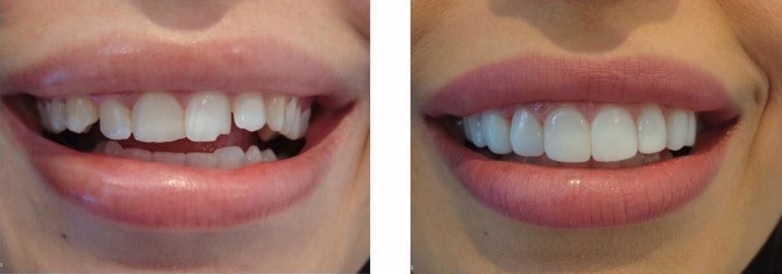
Viewing clinical examples and understanding realistic outcomes can also assist in decision-making. Ultimately, the most appropriate treatment is one that aligns with the patient’s oral health, lifestyle, and long-term dental needs.

Final Thoughts

Composite veneers are one of several cosmetic dental options available to patients seeking aesthetic improvements. When appropriately planned and maintained, composite resin veneers may offer a conservative and practical solution for addressing certain cosmetic concerns.

A consultation with a qualified dental professional is essential to determine suitability and ensure that any treatment provided prioritises oral health, function, and patient safety.

Posts pagination