Wisdom Teeth: Monitoring or Removal?

22 April 2019 Images are included for general illustration and do not establish or predict an individual treatment outcome. A wisdom tooth does not always need removal Wisdom teeth vary in number, position and development. Some are fully through the gums and can be kept clean; others remain partly or fully covered. Being impacted does not, by itself, explain every symptom or settle the treatment decision. A dentist examines the area and may recommend imaging to assess the roots and surrounding structures. Ask what has been found, whether there is disease or a meaningful risk of future problems, and whether review is appropriate. Discuss the reason for any recommendation Repeated gum infection, decay, damage affecting a neighbouring tooth or another specific finding may lead to a recommendation for removal. Monitoring may be appropriate for some teeth, with advice about cleaning and when to return. Do not assume that removing wisdom teeth will straighten other teeth or prevent every future problem. Ask the practitioner to explain the expected benefit in your own case and the consequences of delaying or declining the proposed care. Plan the procedure and recovery If extraction is recommended, ask who will provide it, where it will take place, and whether specialist assessment is needed. Discuss fees, pain management and the recovery arrangements before giving consent. Current services at Sydney CBD Dentistry should be confirmed directly. Risks can include bleeding, infection, dry socket, swelling and injury to nearby teeth or structures. Nerve injury can cause altered sensation that may persist, and upper teeth may carry sinus-related risks. You may wish to seek a second opinion from an appropriately qualified dental practitioner before surgery. Related articles Wisdom Tooth Removal Costs: What to Ask Wisdom Tooth Fees: Medicare and Health Cover After Tooth Removal: Recovery and Warning Signs This article provides general information only. An examination is needed to assess your circumstances and suitability for treatment. All dental treatment carries risks, and results vary between individuals.
Understanding Dental Photographs and Galleries

11 April 2019 Images are included for general illustration and do not establish or predict an individual treatment outcome. A photograph has limits A dental image shows a selected view at one point in time. It cannot explain all the person’s oral health, treatment, recovery or ongoing maintenance. Lighting, angle, timing and other conditions affect appearance. Do not assume that an accompanying image represents a verified treatment outcome at this practice. General illustrations cannot predict what would happen in your case or establish that you need treatment. Ask for context If photographs are used during a consultation, ask what treatment was involved, when the images were taken and whether additional procedures contributed. Discuss the limitations relevant to your own teeth, gums and bite. A plan should explain clinical findings and alternatives independently of appearance examples. Keeping your natural appearance unchanged may be appropriate, and cosmetic procedures are optional. Understand treatment before deciding Ask about procedure-specific risks, recovery and future maintenance. Images cannot promise satisfaction or changes to confidence or wellbeing. For invasive or irreversible care, you may wish to seek a second opinion from an appropriately qualified dental practitioner. Related articles Finding a Dentist Online: Information to Verify Selecting a Dentist for Your Particular Needs Dental Check-Ups and Ongoing Oral Care This article provides general information only. An examination is needed to assess your circumstances and suitability for treatment. All dental treatment carries risks, and results vary between individuals.
Preventive Dental Care: A Plan for Your Oral Health
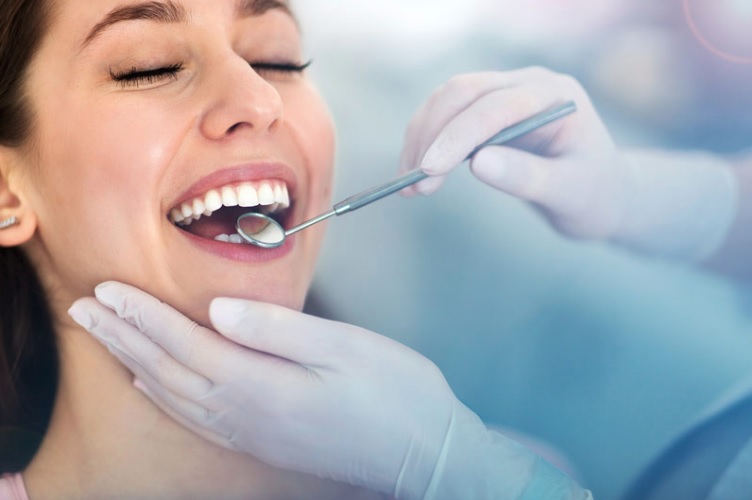
1 April 2019 Prevention is an individual plan Preventive dental care aims to reduce the risk of disease and identify problems that need attention. It combines habits at home with professional assessment. It cannot promise that you will avoid every filling or other treatment, and it should not be presented as a guaranteed financial saving. Your needs may change with age, medicines, dry mouth, existing restorations and other health factors. Tell your dentist about changes so the plan reflects your circumstances rather than a standard package. Care between appointments Brush twice daily with fluoride toothpaste and clean between your teeth. Ask which interdental tools suit your mouth and how to use them. Brushing harder is not the answer to every cleaning difficulty; technique and access matter. Frequent exposure to sugary foods and drinks can contribute to decay risk. Discuss practical changes you can maintain. Tobacco use and persistent dry mouth also warrant advice. Do not stop prescribed medicines to address a dry mouth without speaking to the prescriber. What a dental review can include An examination considers the teeth, gums and other oral tissues. X-rays are taken when indicated, rather than automatically at every visit. Cleaning may be recommended for deposits that cannot be removed at home. Fluoride applications or fissure sealants may be considered for particular risks. Ask what problem an intervention is intended to prevent, its limitations and what monitoring is needed. Not everyone needs every preventive procedure. Benefits, limitations and follow-up Professional cleaning can cause short-term sensitivity or gum tenderness. Other procedures have their own considerations, which should be explained before you agree. Prevention and monitoring do not replace treatment when active disease needs care. Agree on a recall interval based on your risk and findings. Seek advice earlier for pain, swelling, persistent bleeding or a damaged tooth. If an area needs treatment, ask about the options and the consequences of delaying it. A plan can include advice and observation where intervention is not currently indicated. Related articles Professional cleaning Gum health Reviewing existing fillings This article provides general information only. An examination is needed to assess your circumstances and suitability for treatment. All dental treatment carries risks, and results vary between individuals.
Planning Dental Treatment Costs and Payments
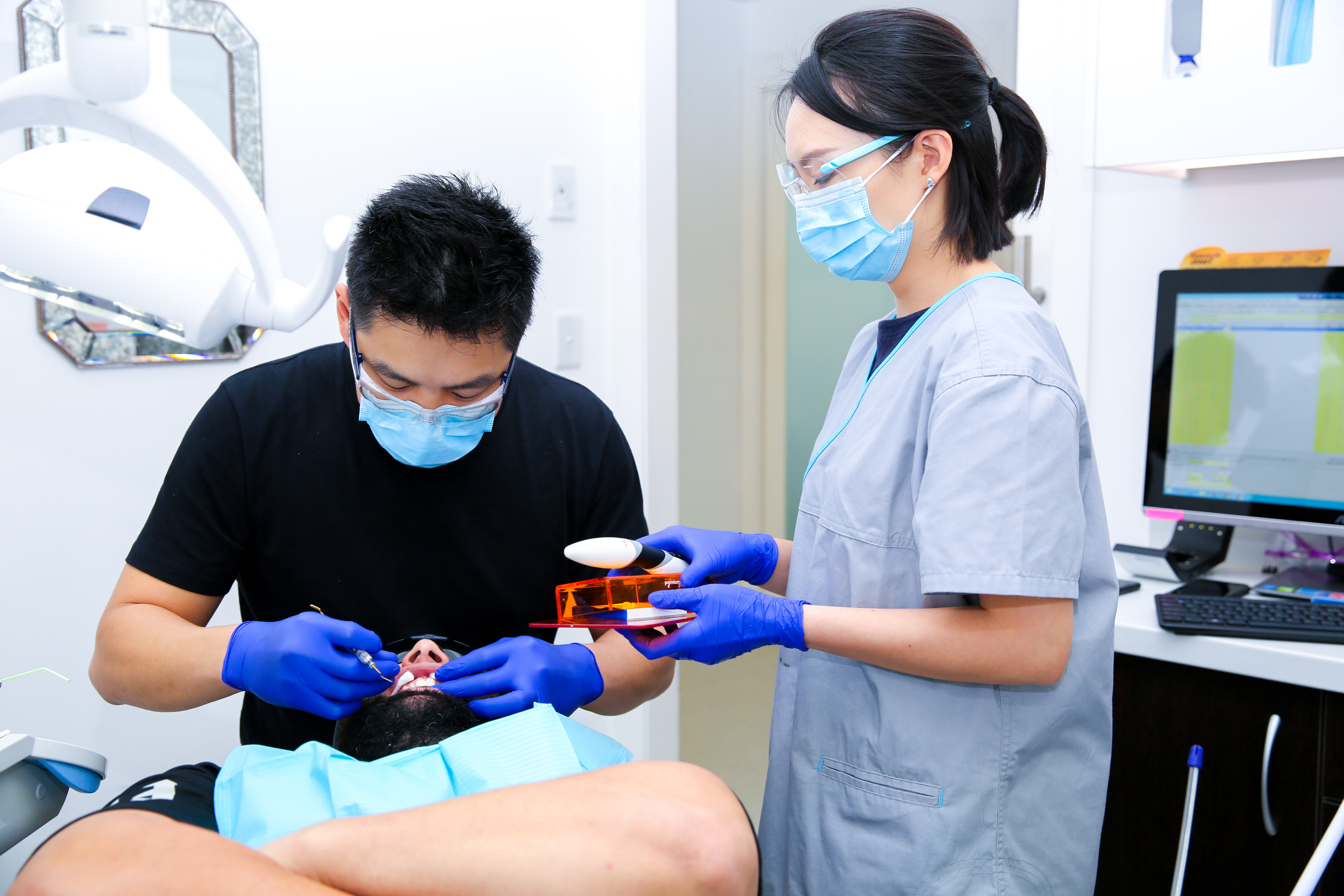
11 March 2019 Images are included for general illustration and do not establish or predict an individual treatment outcome. Start with the clinical plan Ask which problems require attention and what choices are appropriate. A cost discussion is more useful when it includes the reason for treatment, alternatives, risks and the likely sequence of appointments. Tell the dentist about financial constraints early. Where clinically appropriate, ask whether treatment can be staged and what waiting would mean for your condition. Staging is not suitable for every problem and should not be assumed to be risk-free. Request a complete estimate Check the proposed procedures, materials and inclusions, and ask what could change the estimate. Consider maintenance and possible future repair costs as well as the initial fee. Verify any insurance benefit independently before relying on it. Confirm current payment methods and when amounts become due with the clinic. This article does not advertise a current credit provider, finance scheme or particular instalment arrangement. Take time before committing Payment availability does not establish treatment suitability. Do not let a financing message replace informed consent or encourage unnecessary elective treatment. Ask for written information and consider a second opinion for substantial or irreversible dental work. Related articles Understanding Dental Photographs and Galleries Managing Dental Costs Without Skipping Assessment Planning Dental Care Around Your Needs This article provides general information only. An examination is needed to assess your circumstances and suitability for treatment. All dental treatment carries risks, and results vary between individuals.
Dental Workplace Benefits: Check the Current Terms
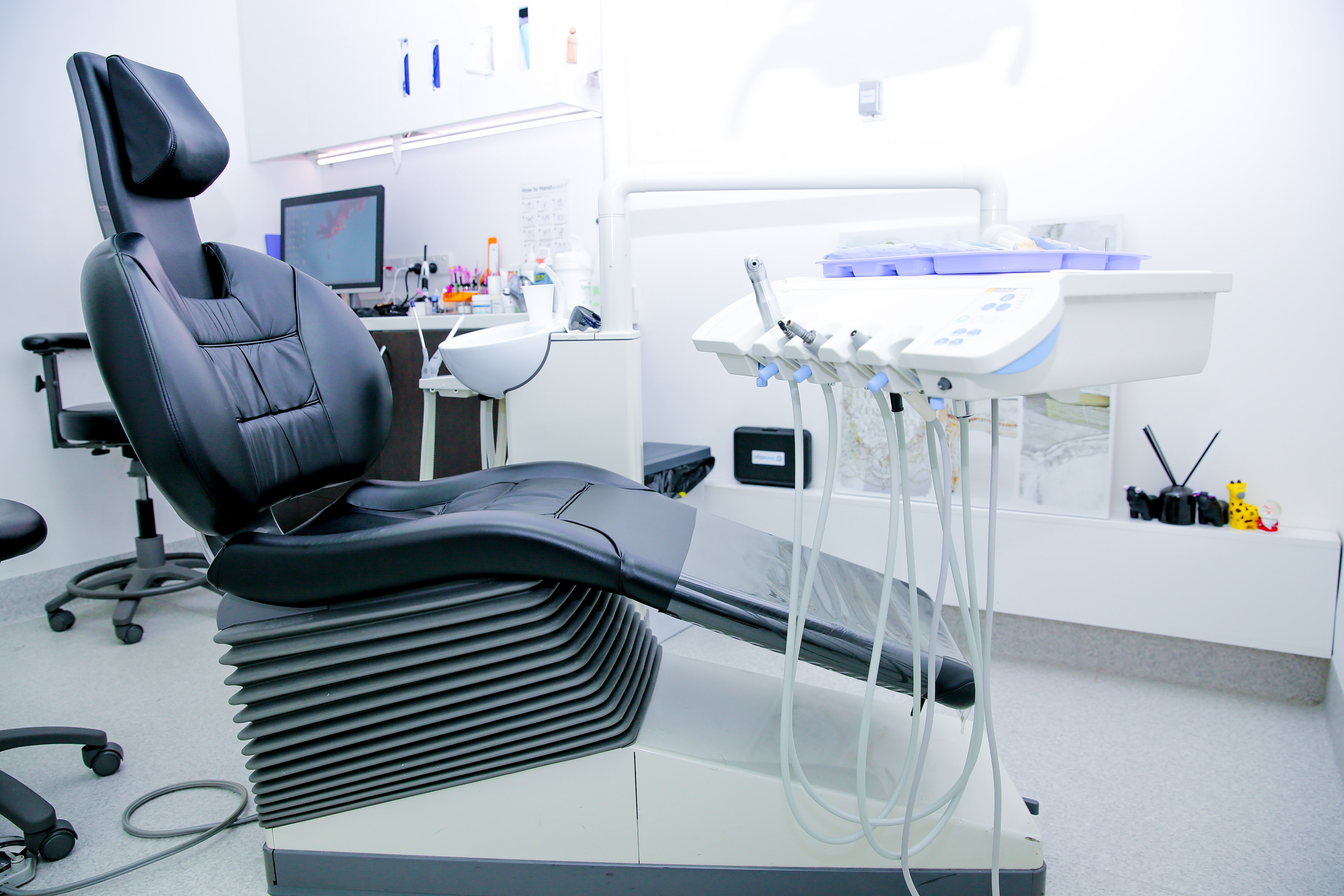
21 February 2019 Images are included for general illustration and do not establish or predict an individual treatment outcome. Verify that an arrangement is current An old article or employer notice does not confirm that a dental benefit is still available. Ask the clinic and your employer whether a current arrangement applies, who is eligible and what evidence is needed. Do not assume that family members are included. Check whether the benefit applies to consultation fees, specific procedures or only certain appointments. A general description does not establish that treatment is free or discounted. Understand your own costs Request the terms and a written estimate for your proposed care. Clarify exclusions, limits, expiry dates and how any health-fund claim interacts with the arrangement. Confirm the amount you would pay before treatment. Benefits should not determine whether a procedure is clinically necessary. Ask about the diagnosis, alternatives, risks and the option of postponing elective care. Keep decisions separate from incentives An appointment should allow you to discuss your needs without pressure to use an offer. This article does not announce a current Sydney CBD Dentistry workplace discount or package. Confirm any arrangement directly before relying on historical promotional material. Related articles Planning Dental Treatment Costs and Payments Replacing a Missing Tooth: Options and Trade-Offs Dental Problems: Why Assessment Comes First This article provides general information only. An examination is needed to assess your circumstances and suitability for treatment. All dental treatment carries risks, and results vary between individuals.
Choosing Dental Care in Sydney: An Informed Approach
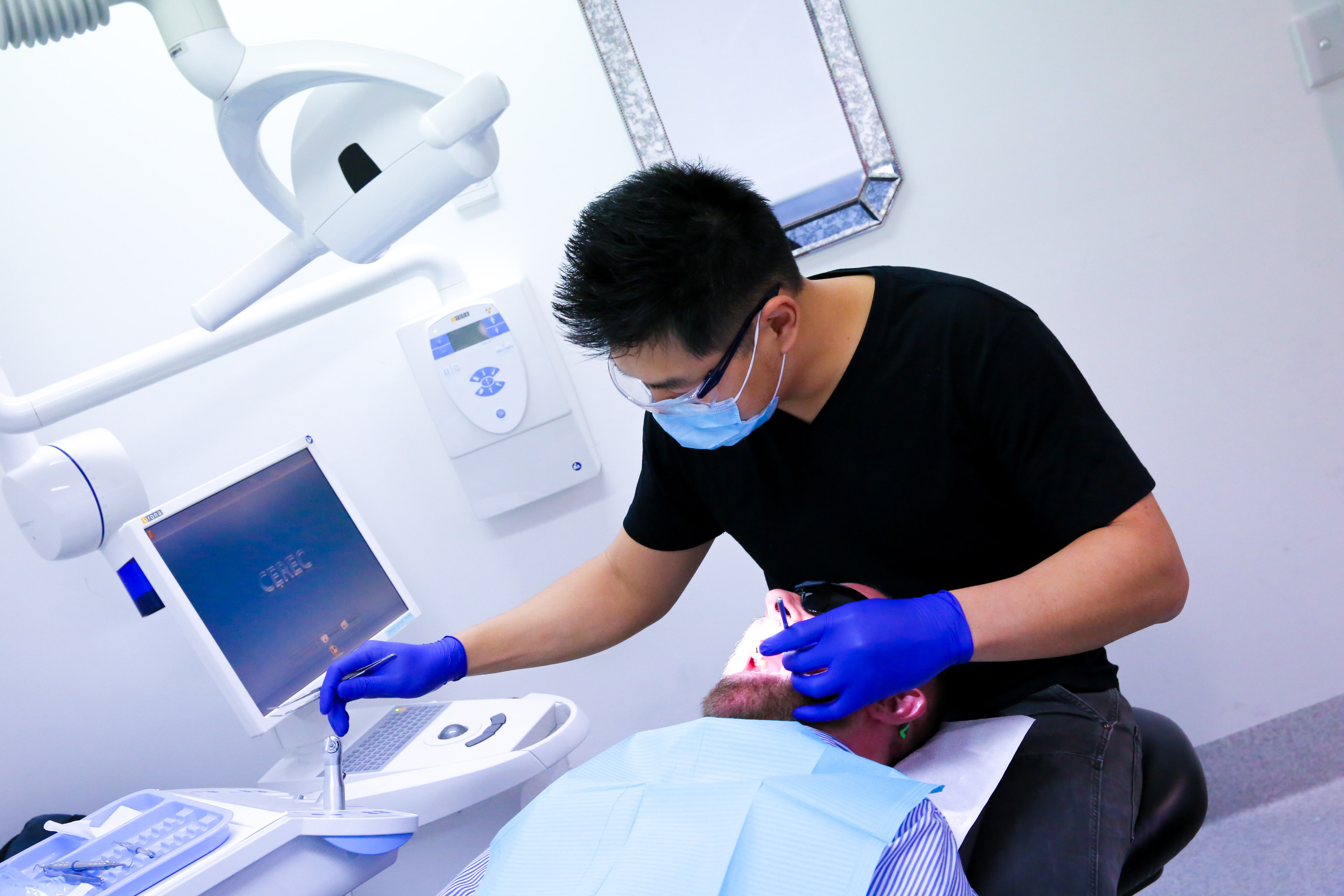
14 February 2019 Images are included for general illustration and do not establish or predict an individual treatment outcome. Verify who will assess you Ask who will provide care and check practitioner registration on the Ahpra public register. Descriptions such as cosmetic dentist do not by themselves establish specialist registration. Confirm availability and access arrangements relevant to your needs. Sydney CBD Dentistry is at Suite 302, Level 3, 70 Pitt Street. Contact (02) 8090 1105 for current appointment details rather than relying on historical offers or schedules. Ask for an individual explanation A treatment recommendation should connect the findings with the proposed procedure. Ask about benefits, limitations, risks and alternatives, including monitoring when appropriate. A clinic cannot be assumed to be best for every person or procedure. Photographs, reviews and equipment descriptions do not guarantee your outcome. For cosmetic concerns, distinguish an optional appearance change from a dental health need. Check costs and continuity Request a written estimate and discuss reviews, maintenance and contact arrangements after treatment. Historical prices and warranties require current confirmation. Consider a second opinion before substantial or irreversible care. Related articles Cosmetic Dentistry: Comparing Different Approaches Dental Bridge Costs: Comparing the Complete Plan How a Tooth Crown Works and What to Consider This article provides general information only. An examination is needed to assess your circumstances and suitability for treatment. All dental treatment carries risks, and results vary between individuals.
Professional Teeth Cleaning: What to Expect
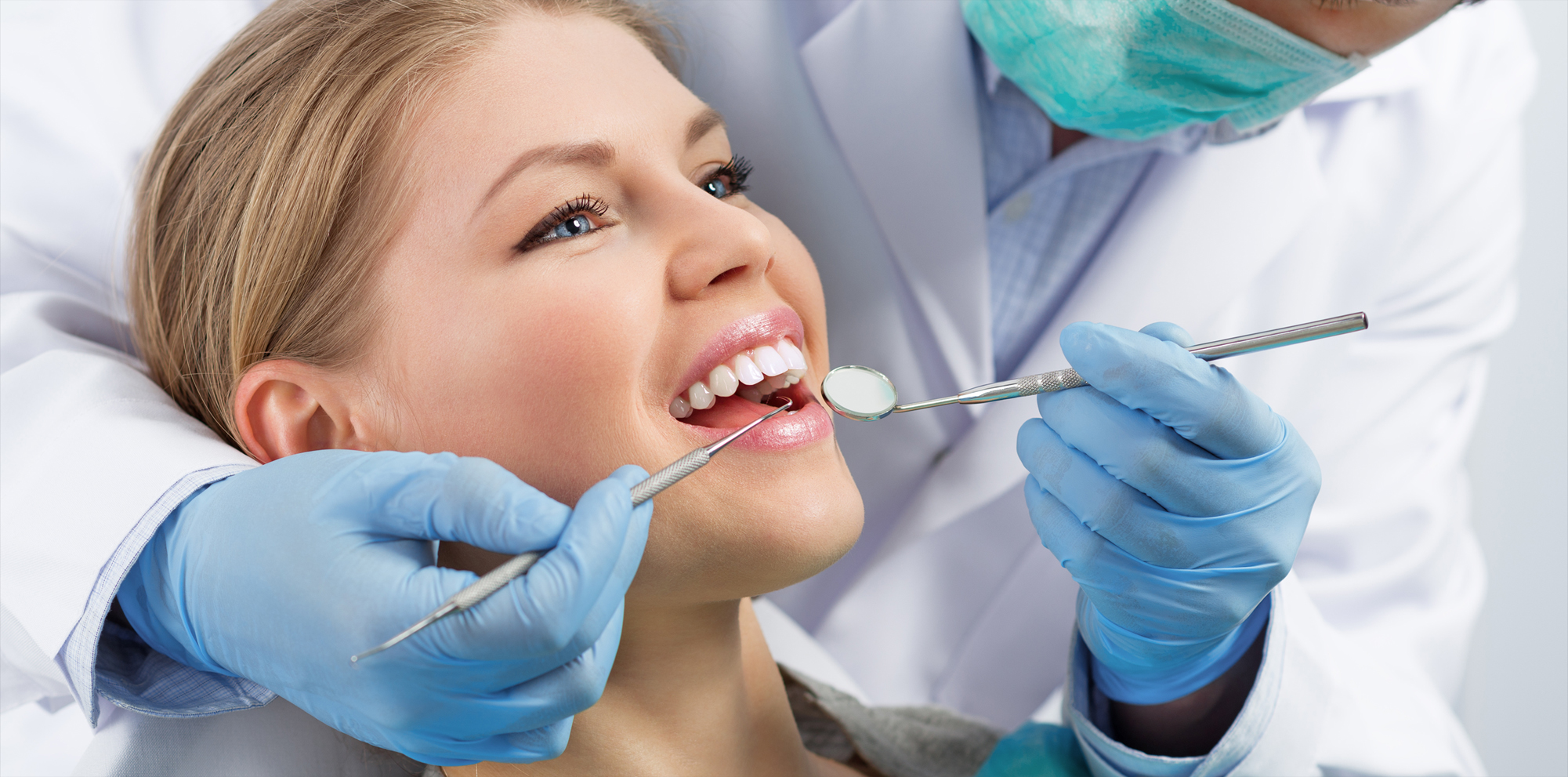
19 May 2017 Cleaning at home and in the dental chair Brushing and cleaning between teeth help remove plaque, the film that collects on tooth surfaces. Hardened deposits cannot be removed reliably with ordinary brushing. A dental professional can assess whether these deposits, surface stains or gum inflammation need treatment. Professional cleaning complements daily care. It does not mean that brushing no longer matters, and it does not guarantee that decay or gum disease will not develop. The reason for cleaning should follow an assessment of your mouth. What happens at the appointment The practitioner checks the teeth and gums and discusses your symptoms and medical history. Cleaning can involve hand instruments or powered equipment to remove deposits. Polishing may be used where appropriate; the exact approach depends on the findings. Tell the practitioner about sensitivity, anxiety, medicines and previous experiences. Ask what each stage involves and agree on a signal if you need a pause. Treatment for established gum disease may involve a different plan from a routine clean. Discomfort and aftercare Cleaning can cause temporary tenderness, sensitivity or bleeding, particularly where gums are inflamed. Discuss comfort measures beforehand and follow the advice given afterwards. Contact the practice if pain or bleeding is persistent, substantial or getting worse. Continue appropriate brushing and interdental cleaning. Ask for a demonstration if an area is difficult to reach. Mouthwash may have a specific role when recommended, but it does not replace physical cleaning or an assessment of persistent symptoms. How often is cleaning needed? A recall interval depends on gum health, deposit build-up, decay risk and other factors. Some people need closer review than others. Ask why an interval is recommended and whether it should change as your health or circumstances change. If deposits or disease are not present, monitoring and home-care advice may be appropriate. If gum disease is found, further treatment or referral may be discussed. Fees, inclusions and health-fund benefits should be checked for your circumstances; this article does not promise a particular rebate. Related articles Everyday prevention Understanding gum disease Oral changes worth checking This article provides general information only. An examination is needed to assess your circumstances and suitability for treatment. All dental treatment carries risks, and results vary between individuals.
Tooth Discolouration: Causes and Assessment
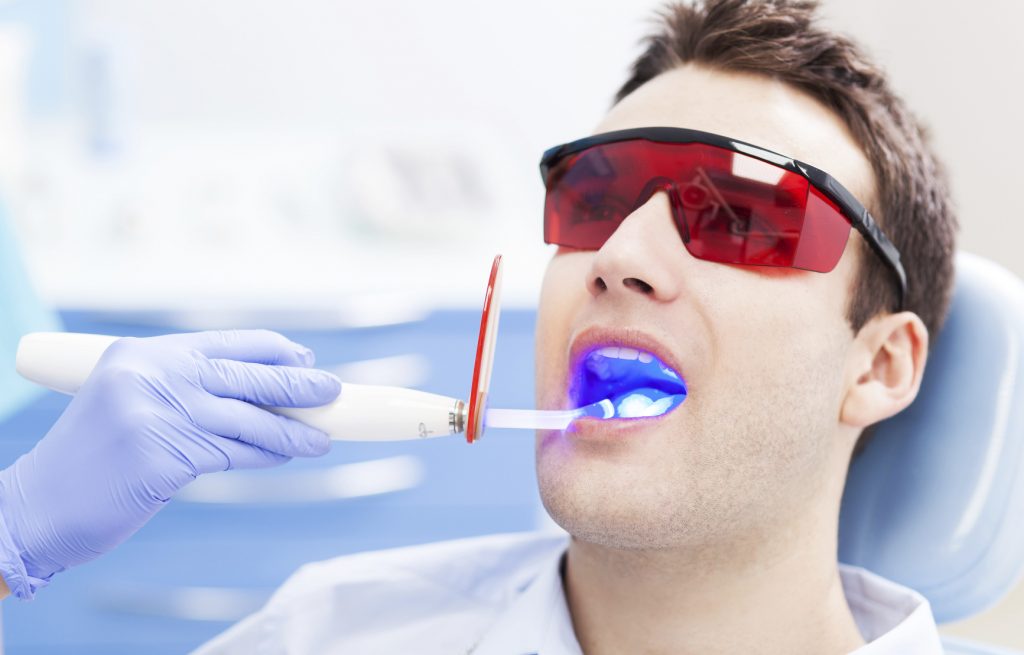
16 May 2017 Images are included for general illustration and do not establish or predict an individual treatment outcome. Colour changes have different causes Food and drinks, tobacco, ageing, medicines and previous injury can affect tooth colour. Some stains are on the surface; others arise within the tooth. Natural colour also differs between people and is not, by itself, a measure of dental health. A dentist can assess the pattern and history of a colour change. Tell them when it began, whether a tooth was injured and whether there is pain or sensitivity. Do not assume that every dark area is a stain. Treatment depends on the findings Professional cleaning may address some surface staining. Whitening may be an option for certain discolouration, but not every cause responds in the same way. A tooth with decay, injury or a problem inside it may need other care. Avoid abrasive scrubbing or acidic home remedies intended to force a colour change. Ask which approach, if any, is appropriate for the cause and what the limitations are. Choosing to keep your natural tooth colour is also an option. If whitening is considered Whitening can cause tooth sensitivity and irritation or chemical burns to the gums and other soft tissues. The degree and duration of colour change vary. Fillings, crowns and veneers do not whiten with natural teeth, so a mismatch may become more noticeable. A dental assessment helps identify the cause of discolouration and whether whitening is appropriate. Discuss alternatives, including leaving your natural colour unchanged. Follow the prescribed product instructions and contact your dentist about significant or persistent symptoms. Related articles Teeth Whitening: Suitability and Limitations Professional Whitening: What the Process Involves Whitening Options: In-Clinic and Take-Home Treatment This article provides general information only. An examination is needed to assess your circumstances and suitability for treatment. All dental treatment carries risks, and results vary between individuals.
Planning a Dental Appointment in the City
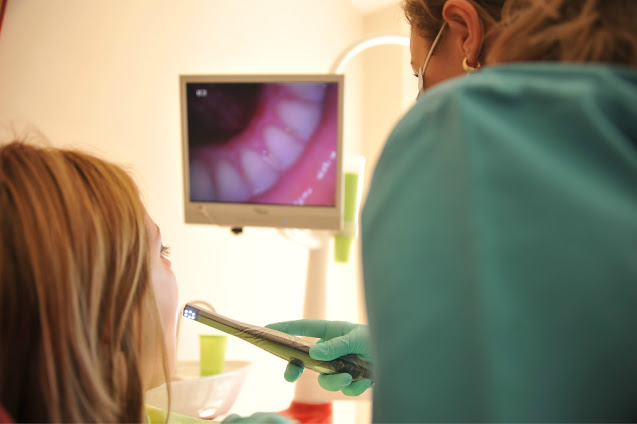
12 May 2017 Images are included for general illustration and do not establish or predict an individual treatment outcome. Clarify what the visit is for When arranging an appointment, describe the concern and ask whether the visit is an assessment or planned treatment. Tell the clinic about pain, swelling, injury or other changes so the team can advise about an appropriate appointment. Confirm the location, access arrangements and current availability. Allow time for the visit rather than assuming treatment will fit a particular work break. Bring the information your dentist needs Have your medication list, allergy details and relevant health history available. If you have a recent treatment plan or dental images, ask how they can be provided. Explain any anxiety or communication requirements before treatment begins. Ask about the findings, proposed options and the risks of each approach. A convenient location does not remove the need for an individual clinical assessment. Consider the time after treatment Ask whether the procedure affects eating, speaking, travelling or returning to work, and what instructions apply to you. Recovery varies with the treatment and the individual. Confirm review arrangements and who to contact with concerns. Related articles Dental Crowns: Choosing Treatment After Assessment Finding a Dentist Online: Information to Verify Selecting a Dentist for Your Particular Needs This article provides general information only. An examination is needed to assess your circumstances and suitability for treatment. All dental treatment carries risks, and results vary between individuals.
What to Expect from a Dental Clinic Visit

9 May 2017 Images are included for general illustration and do not establish or predict an individual treatment outcome. Prepare for your visit Write down your main concerns and bring details of medicines, allergies and relevant medical conditions. Describe previous dental work and any recent change in symptoms. Ask whether earlier records or images would be useful and how to arrange them. Confirm the appointment type and expected fees. A consultation does not automatically include every test or treatment, and availability for a particular procedure should be checked. Discuss the assessment The dentist may examine your teeth, gums and other mouth tissues and discuss tests when indicated. Ask for the findings to be explained, including uncertainty and whether a referral is needed. If treatment is recommended, ask about its purpose, alternatives, risks, recovery and ongoing maintenance. Different problems may require different appointments; completing everything in one visit should not be assumed. Leave with a clear plan Confirm the proposed sequence, costs and review arrangements. Ask what to do if symptoms change before the next appointment. You can request time to consider the plan or seek a second opinion before invasive or irreversible treatment. Related articles Planning a Dental Appointment in the City Understanding Dental Photographs and Galleries Managing Dental Costs Without Skipping Assessment This article provides general information only. An examination is needed to assess your circumstances and suitability for treatment. All dental treatment carries risks, and results vary between individuals.