Sports Mouthguards: Fit, Protection and Care

10 September 2021 Images are included for general illustration and do not establish or predict an individual treatment outcome. A mouthguard is part of injury prevention What is the purpose of a mouthguard? A mouthguard protects your teeth, gums, lips and jaw by cushioning and spreading the force of a knock to the mouth during sport. A night guard is a different appliance, worn while sleeping to help protect teeth from grinding or clenching. Neither can prevent every injury. A sports mouthguard cushions and distributes force from an impact to the mouth. It can reduce the risk or severity of some dental injuries, but it cannot prevent every injury. Wear it during training as well as competition when there is a risk of contact or a fall. Risks are not limited to sports described as contact sports. A collision with another player, equipment or the ground can affect the teeth and mouth in other activities too. Ask your dentist and sporting organisation about protection suited to the activity. A mouthguard should not be relied on to prevent concussion or replace other protective equipment. Compare the fit and design A custom-fitted mouthguard is made from an impression or scan of your teeth. Store-bought options include stock designs and mouthguards shaped using the manufacturer’s heating instructions. Fit and thickness affect how a mouthguard functions; poorly fitting designs can move or interfere with speech and breathing. Ask a dental practitioner to assess an uncomfortable or loose mouthguard. Do not assume a guard remains suitable after dental treatment, orthodontic changes or a child’s growth. People wearing braces should seek advice about a suitable design rather than adapting a guard without guidance. Care between uses Follow the cleaning instructions for the product. Rinse after use, allow it to dry and keep it in a protective case. Avoid leaving it in direct heat or sunlight, and do not chew it. Heat can distort its shape. Check for splits, wear or a change in fit, and bring the mouthguard to dental reviews. A damaged guard may need replacement. Ask about current options and an estimate before ordering; health-fund contributions depend on your individual cover. If an injury happens Seek prompt dental advice after an injury even if a mouthguard was worn. A displaced or knocked-out tooth needs urgent assessment. If there is a serious head injury, difficulty breathing or severe uncontrolled bleeding, call 000 or go to hospital. A mouthguard is protective equipment, not a treatment for an injury. Related articles Dental Emergencies: When and Where to Seek Help Caring for Your Child’s Teeth at Home Preventive Dental Care: A Plan for Your Oral Health This article provides general information only. An examination is needed to assess your circumstances and suitability for treatment. All dental treatment carries risks, and results vary between individuals. Mouthguard FAQs What types of mouthguards are there? There are three main types. Stock mouthguards are pre-formed and ready to wear. Boil-and-bite mouthguards are softened in hot water and shaped by biting into them. Custom-fitted mouthguards are made from an impression or scan of your teeth. Your dentist can explain which may suit your sport and your mouth. Is a custom mouthguard better than a boil-and-bite one? A custom-fitted mouthguard is made to the shape of your teeth, so it is designed to fit closely and stay in place. Boil-and-bite guards from a store can be a lower-cost option, but the fit depends on how well they are moulded. Whichever you choose, it should feel secure, let you breathe and speak, and not shift when you bite. Is a night guard the same as a sports mouthguard? No. A sports mouthguard is designed to absorb impact. A night guard (sometimes called an occlusal splint) is worn while you sleep and may help protect teeth from wear caused by grinding or clenching. If you wake with jaw aches or notice worn teeth, ask your dentist whether a night guard is suitable for you. How long does a mouthguard last? It depends on how often you use it and how you care for it. Check it regularly for splits, wear or changes in fit, and replace it if it is damaged or no longer fits well. Children’s guards may need replacing more often as their mouths grow, and adults may need a new one after dental or orthodontic treatment. How much does a mouthguard cost? Cost depends on the type of guard and what is needed for your teeth. Please ask our team for a quote. Call Sydney CBD Dentistry on (02) 8090 1105 or book online. Health fund rebates may apply depending on your level of cover.
Gum Disease: Signs, Assessment and Ongoing Care
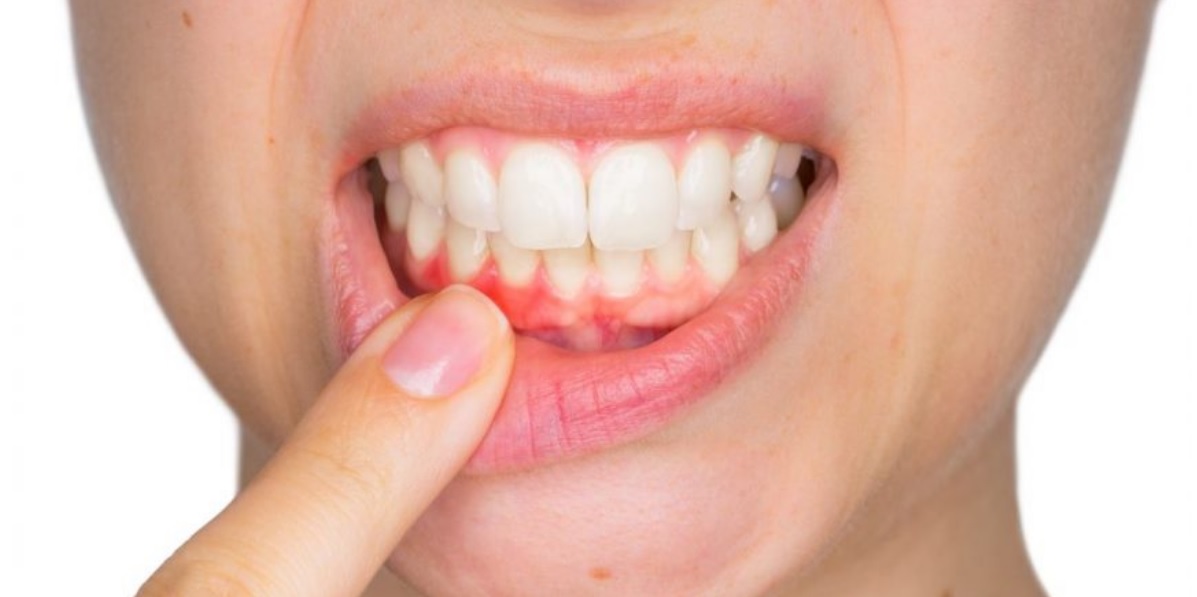
8 September 2021 What is gum disease? Gum disease affects tissues around the teeth. Gingivitis is inflammation of the gums; periodontitis involves damage to the supporting tissues and bone. They require assessment rather than diagnosis from a photograph or a single symptom. Plaque build-up is an important factor. Smoking, diabetes, medicines and other circumstances can influence gum health or management. Gum problems should not be described simply as evidence that someone has failed to care for their teeth. Bleeding and other changes Bleeding when brushing, swelling, persistent bad breath, recession or a loose tooth can be reasons to seek advice. Pus or a persistent unpleasant taste also warrants assessment. Gum disease can develop with little pain, and natural gum colour varies between people. Do not stop routine cleaning simply because gums bleed, but ask a dental professional about an appropriate technique and persistent symptoms. Heavy bleeding, significant pain or swelling needs prompt advice. How gums are assessed The dental professional reviews your history, examines the tissues and may measure the spaces around teeth. X-rays can help assess supporting bone when indicated. Findings guide whether you need home-care support, professional cleaning or more extensive periodontal treatment. Gingivitis can improve when its causes are addressed. Established periodontitis requires ongoing management, and lost support cannot be assumed to return through routine cleaning. Some people need referral to a periodontist. The plan depends on the severity and response to care. Treatment and its limitations Treatment may include removing deposits above and below the gumline and improving daily cleaning. More advanced disease can require other procedures. Sensitivity, tenderness or changes in the appearance of the gumline can occur; discuss the expected recovery and risks of the proposed care. Monitoring alone may be appropriate in some circumstances, but delaying treatment of active disease can allow further damage. Ask what each option is intended to achieve, what alternatives are reasonable and how the response will be reviewed. Maintaining gum health Brush twice daily with fluoride toothpaste and clean between teeth. Ask for a demonstration and tools suited to your mouth. Discuss smoking cessation and the management of relevant medical conditions with the appropriate clinician. The review interval should be individual, rather than an automatic six-month rule. Ongoing care does not guarantee that every tooth can be retained, but it helps the treating team assess changes and adapt the plan. Seek advice sooner if symptoms worsen. Related articles Professional cleaning Preventive care at home and in the practice Oral changes to discuss This article provides general information only. An examination is needed to assess your circumstances and suitability for treatment. All dental treatment carries risks, and results vary between individuals.
Scale and Clean: Purpose, Process and Follow-Up
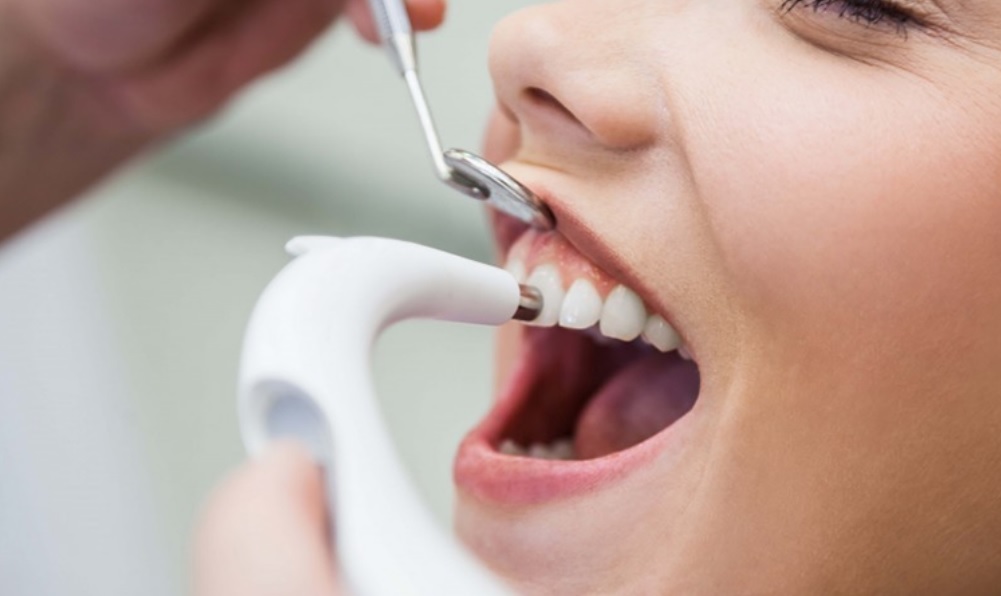
1 September 2021 Images are included for general illustration and do not establish or predict an individual treatment outcome. Why professional cleaning may be recommended Plaque and hardened deposits can build up around teeth. Hardened calculus cannot be removed by ordinary brushing. A dental practitioner can assess your gums and explain whether professional cleaning or further gum treatment is needed. Do not attempt to scrape deposits from your teeth with instruments at home. This can damage teeth or soft tissues and does not replace assessment. Discuss the procedure and possible discomfort Cleaning may involve hand or powered instruments, with polishing or fluoride where appropriate. The approach depends on the deposits, gum condition and sensitivity. Tell the practitioner if an area is uncomfortable. Temporary tenderness, bleeding or sensitivity can occur, especially where gums are inflamed. Cleaning does not guarantee that all sensitivity will disappear or replace treatment for established gum disease. Ask what symptoms should prompt advice. Plan ongoing care Discuss daily cleaning and a review interval based on your needs. Professional cleaning complements home care, and polishing is different from bleaching tooth colour. Ask about costs, follow-up and any further treatment recommended after assessment. Related articles Dental Emergencies: Getting the Right Assessment Tooth Crown Quotes: Materials, Steps and Maintenance New Patient Appointments: Fees and Inclusions This article provides general information only. An examination is needed to assess your circumstances and suitability for treatment. All dental treatment carries risks, and results vary between individuals.
Teeth Cleaning Costs: What to Ask Before a Visit
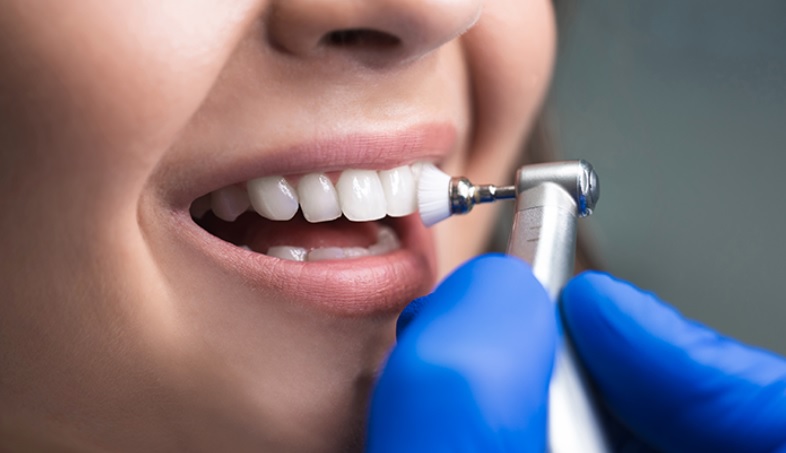
23 July 2020 Images are included for general illustration and do not establish or predict an individual treatment outcome. Clarify what the appointment includes The phrase check-up and clean can describe different combinations of services. Before booking, ask what is included in the proposed appointment and how any additional care will be discussed. An examination, professional cleaning, X-rays and fluoride treatment are separate considerations. Not everyone needs the same procedures at each visit. Your dental practitioner should recommend care from your history, examination and risk factors. A routine cleaning appointment may not cover the care needed for established gum disease. Ask for a current estimate Contact Sydney CBD Dentistry for the current fees and inclusions that apply to your appointment. Historical prices and offers in older articles should not be relied on as a current treatment quote. If you have private health insurance, ask for the proposed item numbers and check benefits, waiting periods and remaining limits with your fund. Cover does not automatically mean there will be no out-of-pocket amount. Ask how changes to the plan would be explained before additional treatment proceeds. Consider the care, not only the price Professional cleaning can remove deposits that brushing cannot remove once they have hardened. It supports daily oral care, but it cannot prevent every future problem or replace treatment for a diagnosed condition. Temporary gum tenderness, bleeding or sensitivity may occur, particularly where gums are inflamed. Ask what is recommended now, what can be monitored and the implications of postponing care. Review intervals should reflect your individual needs rather than an automatic schedule for everyone. If more involved gum treatment is required, request a separate explanation of its scope and costs. Related articles Dental Cleaning: What the Appointment May Involve Teeth Scaling: Purpose, Limits and Aftercare Preventive Dental Care: A Plan for Your Oral Health This article provides general information only. An examination is needed to assess your circumstances and suitability for treatment. All dental treatment carries risks, and results vary between individuals.
Dental Costs and Technology: Questions to Ask
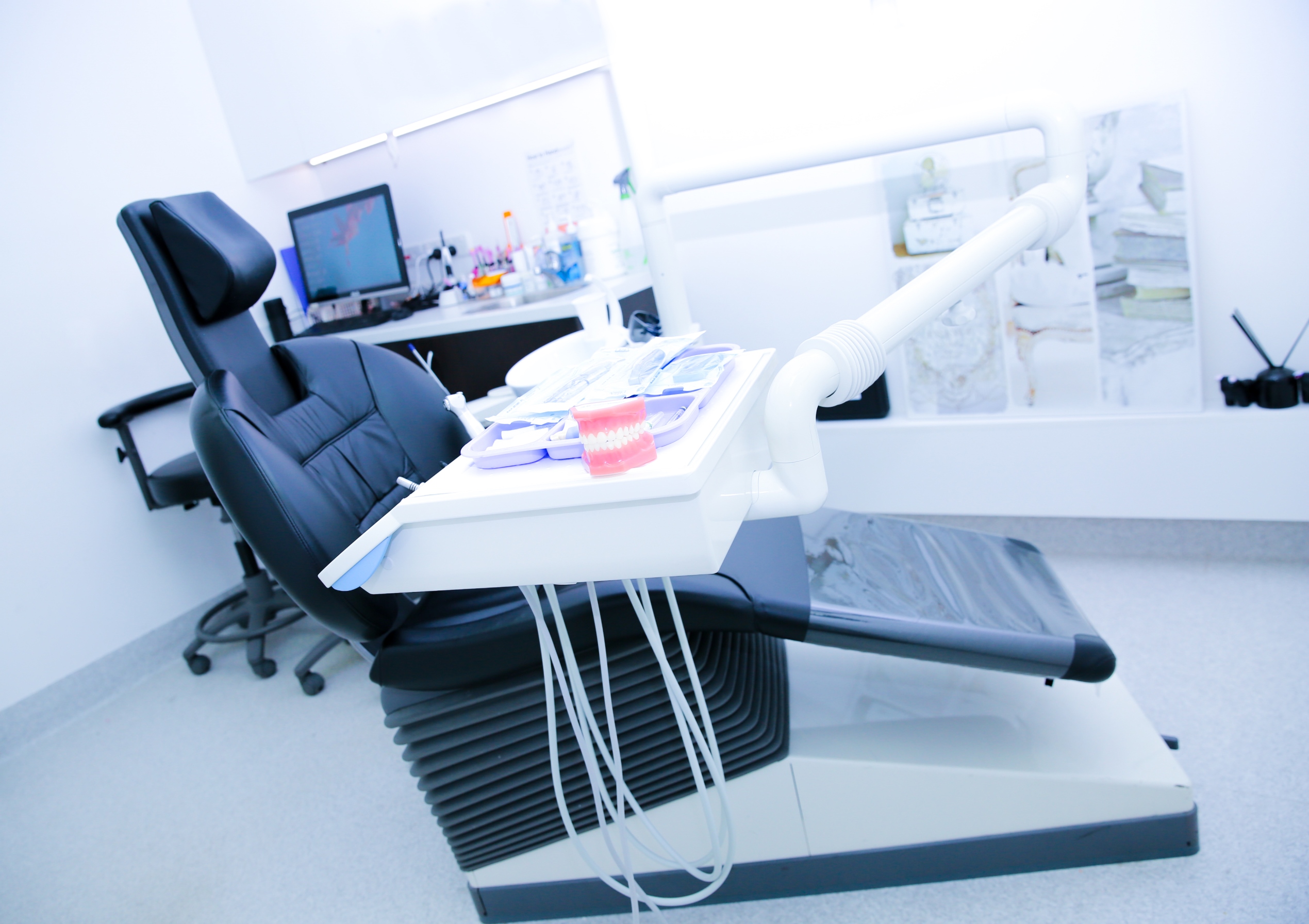
22 July 2020 Images are included for general illustration and do not establish or predict an individual treatment outcome. Ask what the equipment is for Dental technology can support assessment, planning or the production of restorations, but its usefulness depends on the clinical question. Ask why a scan, image or other process is being proposed and how it will affect your care. Do not assume equipment mentioned in an older article is currently available at the clinic. Confirm the procedure and the clinician’s explanation before making plans around it. Compare complete treatment plans A faster production process does not necessarily mean a lower total fee or fewer clinical steps. Ask about assessment, preparation, materials, laboratory work, temporary restorations and reviews where relevant. Equipment alone cannot guarantee accuracy, comfort, longevity or suitability. Risks and alternatives still need to be discussed for the treatment itself, including the implications of irreversible tooth preparation. Choose on individual need Request an itemised estimate and ask what could change it. Consider maintenance and future treatment as well as the initial cost. The decision should follow an assessment and informed discussion, not a claim that newer technology automatically makes one option best. Related articles Replacing a Missing Tooth: Options and Trade-Offs Dental Problems: Why Assessment Comes First Dental Anxiety and Comfort During Treatment This article provides general information only. An examination is needed to assess your circumstances and suitability for treatment. All dental treatment carries risks, and results vary between individuals.
Finding a Dentist Online: Information to Verify
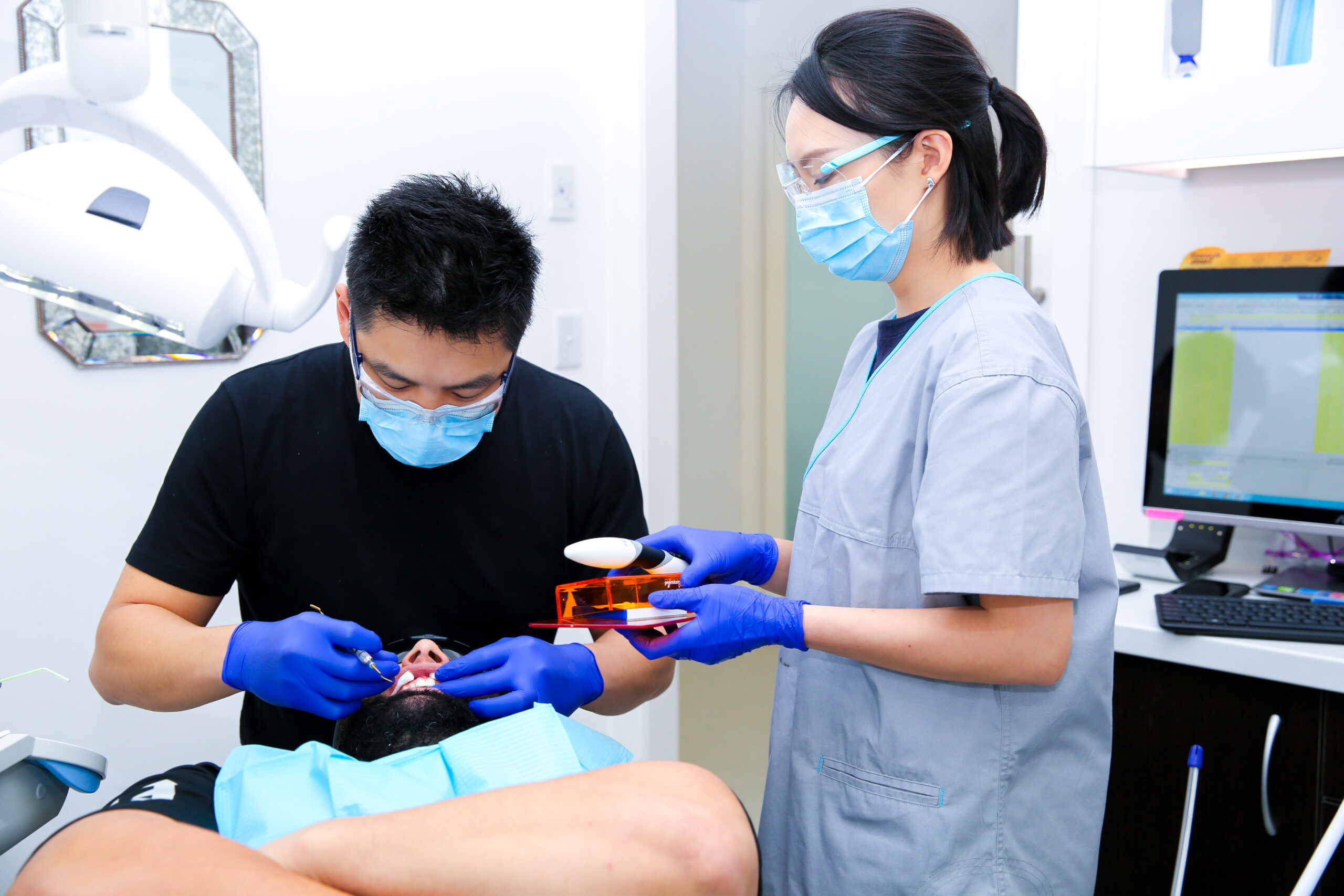
21 July 2020 Images are included for general illustration and do not establish or predict an individual treatment outcome. Check the practical facts Online listings can help identify a clinic, but details can become outdated. Confirm the address, current appointment availability, access arrangements and whether the clinic can assess your concern. Do not rely on a search result alone for urgent-care availability. Ask who will provide your care and check the practitioner’s registration on the Ahpra public register. A website description does not establish specialist registration. Read promotional claims critically A high search ranking, attractive photographs or favourable review does not guarantee a particular diagnosis or outcome. Look for explanations of treatment limitations and risks, then discuss how these apply to you. At the consultation, ask why treatment is recommended, what alternatives exist and what the estimate covers. A useful decision depends on your clinical circumstances and preferences rather than an online label such as best. Confirm the next steps Ask about records, follow-up and contact arrangements if problems arise. Take time to consider substantial treatment and seek a second opinion when helpful. An online article can prepare questions but cannot replace examination and individual advice. Related articles Dental Costs and Technology: Questions to Ask Visiting Sydney CBD Dentistry: Planning Your Appointment Comparing Dental Costs in Sydney This article provides general information only. An examination is needed to assess your circumstances and suitability for treatment. All dental treatment carries risks, and results vary between individuals.
What Are the Risks of Tooth Extraction?
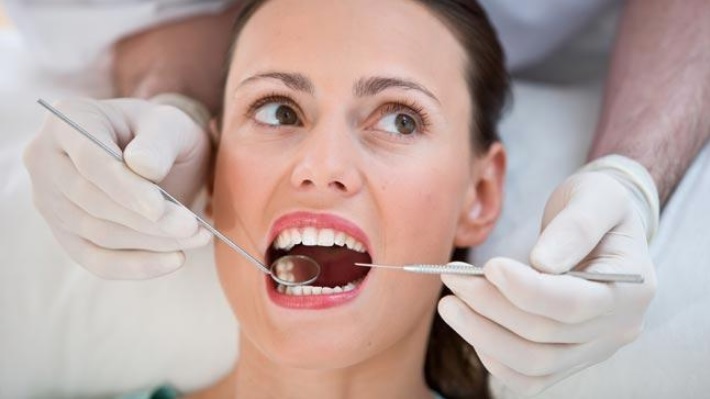
9 December 2019 Removing a tooth is a surgical procedure. Before recommending extraction, a dentist should explain why it is being considered, whether the tooth can be retained and the risks relevant to your medical history and the position of the tooth. Possible risks Pain, swelling and some bleeding can occur after extraction. Other complications include infection and dry socket, which can cause significant pain when the socket does not heal as expected. Depending on the tooth, there may also be a risk of damage to nearby teeth, altered sensation from nerve injury, or an opening into the sinus. Not everyone has the same risk. Difficult extractions may need referral to a practitioner with relevant experience or a specialist oral surgeon. Ask which complications apply to your proposed procedure and how they would be managed. Recovery and when to seek help Follow the instructions provided by your treating clinician, including advice about cleaning, food, smoking and activity. Recovery varies with the procedure and your health. A fixed return-to-work timetable is not suitable for every patient. Contact your dentist promptly for increasing pain, persistent bleeding, fever, worsening swelling or other concerns. Seek emergency care for severe bleeding that will not stop, or swelling that affects breathing or swallowing. Do not wait several days before seeking advice about significant symptoms. Tell the dentist about medicines, allergies and health conditions before treatment. Do not stop prescribed medicines, including blood thinners, without advice from the relevant clinician. Alternatives and what happens afterwards Depending on the diagnosis, a filling, crown, periodontal treatment or root canal treatment may be an option. Sometimes a tooth cannot be retained. Ask about the consequences of delaying or declining treatment and whether a second assessment would help. After extraction, replacement is not automatically required in every situation. Where appropriate, the dentist can explain options such as a denture, bridge or implant, their separate risks and the implications of leaving the space. Decide on these steps after discussing your individual needs. For invasive or irreversible treatment, you may wish to seek a second opinion from an appropriately qualified health practitioner before deciding. Related articles Root canal symptoms Tooth abscess symptoms Dental emergency advice This article provides general information only. An examination is needed to assess your circumstances and suitability for treatment. All dental treatment carries risks, and results vary between individuals.
Tooth Extraction: Planning and Aftercare
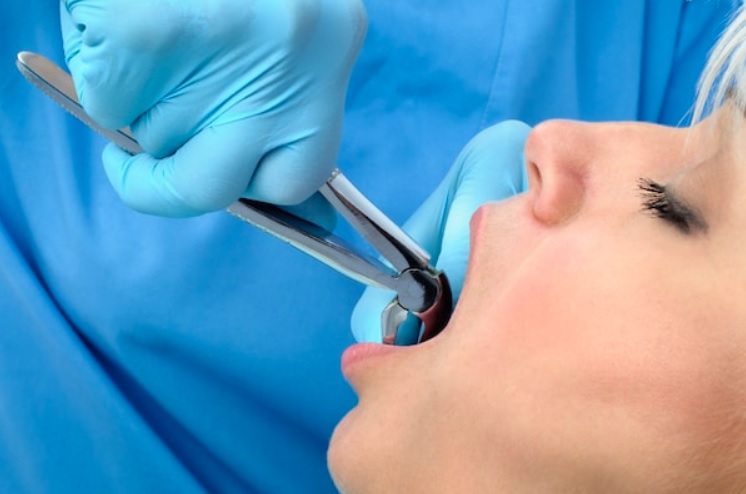
1 October 2019 Planning for tooth removal An extraction removes a tooth when this is appropriate after assessment. Some teeth can be loosened and removed directly; others require a surgical approach. The procedure and recovery differ between people, so ask what applies to your situation. Discuss whether the tooth can be retained with a restoration or root canal treatment, or whether another approach is appropriate. Extraction is irreversible. Monitoring or delaying treatment may carry risks that also need explanation. Before the appointment Tell your dentist about your medicines, allergies and medical conditions. Ask about eating, transport, work and activity restrictions for the planned anaesthetic and procedure. Do not stop prescribed medicines unless the treating clinician tells you to. Ask for written aftercare instructions and a contact route for concerns. Clarify any specialist referral, follow-up or later discussion about replacing the tooth. For invasive or irreversible treatment, you may wish to seek a second opinion from an appropriately qualified health practitioner before deciding. The first day Follow the dentist's directions for gauze and pressure to control bleeding. Protect the healing clot: avoid vigorous rinsing or spitting initially, and do not disturb the socket. Rest and follow instructions about smoking, alcohol and strenuous activity. Choose suitable soft foods and take care while your mouth is numb. Use pain relief only as directed and check with a pharmacist or clinician if you are unsure it is suitable for you. A cold pack should be wrapped and used according to the advice you receive. Cleaning and recovery Keep the other teeth clean without brushing directly into the wound. Your dentist will advise when to begin gentle rinsing. Recovery can take longer after a more complex extraction, and returning to work or exercise should follow individual advice. Discomfort and swelling can occur, but their course matters. Keep any planned review and contact the practice when you are uncertain rather than relying on a fixed recovery timetable. When to seek help Contact a dentist promptly for continuing bleeding despite the pressure advised, worsening pain, fever or increasing swelling. Dry socket and infection need assessment. Call 000 or go to hospital for difficulty breathing or swallowing or severe bleeding. Other risks depend on the tooth and procedure and may include damage to nearby structures or altered sensation. Ask your dentist to explain your particular risks before treatment and what symptoms require follow-up. Related articles Risks of tooth extraction Root canal assessment Urgent dental symptoms This article provides general information only. An examination is needed to assess your circumstances and suitability for treatment. All dental treatment carries risks, and results vary between individuals.
After Tooth Removal: Recovery and Warning Signs

14 June 2019 Images are included for general illustration and do not establish or predict an individual treatment outcome. Prepare for aftercare before treatment If extraction is proposed, ask why it is needed, whether the tooth could be retained and what the alternatives involve. Removal is irreversible. A second opinion from an appropriately qualified dental practitioner may help you consider invasive treatment. Before leaving the appointment, obtain instructions suited to the procedure and your health. Ask about eating, cleaning, activity, medicines and who to contact if a problem arises. Follow the treating team’s instructions rather than assuming that one recovery schedule fits every extraction. Protect the healing area The socket needs time to heal. Follow advice about managing early bleeding and avoiding activities that disturb the area. Ask when to resume rinsing, exercise and your usual diet. Smoking can impair healing; discuss support if avoiding it is difficult. Take medicines only as directed and check with the dentist, doctor or pharmacist if you are unsure about their suitability. Do not change prescribed medicines on your own. Sedation or general anaesthesia can require additional supervision and restrictions, which the treating team should explain. Know when to seek help Some discomfort, swelling or minor bleeding may occur, but recovery should be reviewed if symptoms persist or worsen. Contact the treating practitioner for increasing pain, worsening swelling, fever, bleeding that does not settle or unexpected altered sensation. Dry socket and infection need professional assessment. Call 000 for difficulty breathing or swallowing, severe uncontrolled bleeding or other signs of a medical emergency. Do not wait for a fixed number of hours if bleeding is heavy or you feel seriously unwell. Following aftercare reduces some risks but cannot guarantee a complication-free recovery. Related articles When Might a Tooth Need Removal? Tooth Removal Fees: Procedure and Aftercare Urgent Dental Care: Finding Appropriate Help This article provides general information only. An examination is needed to assess your circumstances and suitability for treatment. All dental treatment carries risks, and results vary between individuals.
Wisdom Tooth Fees: Medicare and Health Cover
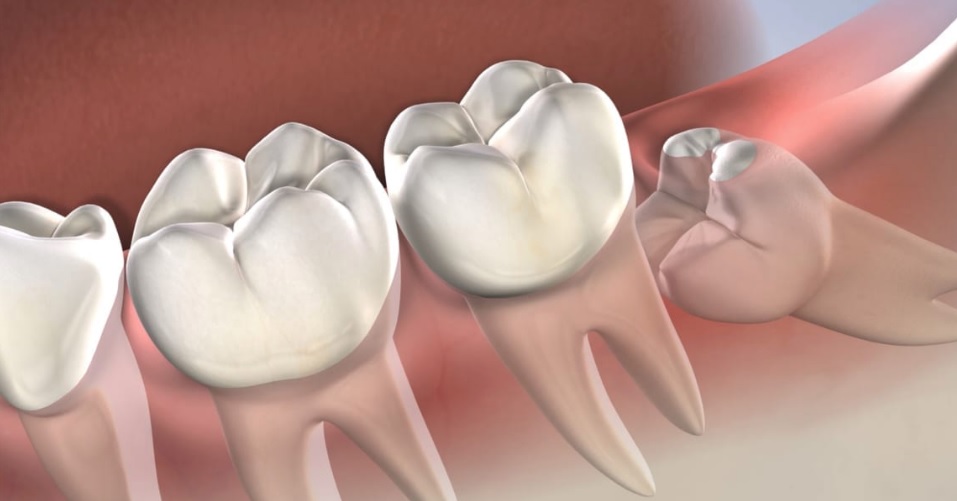
31 May 2019 Images are included for general illustration and do not establish or predict an individual treatment outcome. Do not assume Medicare pays the dental fee Most dental services in Australia are not covered by Medicare. Having a Medicare card or receiving treatment in a hospital does not automatically make a private wisdom tooth extraction free. Different parts of care may have different billing arrangements. Ask the treating providers which services they propose, who will bill for them and whether any Medicare benefit applies. Check your own eligibility through the relevant provider or government service; an article cannot determine it for you. Check private cover and separate charges If you have private health insurance, ask about the relevant dental item numbers, level of cover, waiting periods and remaining limits. Hospital cover and extras cover are different. Obtain confirmation of likely benefits and your out-of-pocket amount before relying on reimbursement. If specialist, anaesthetic or hospital services are proposed, request their estimates separately and ask whether all expected charges have been identified. Contact Sydney CBD Dentistry for the current assessment and treatment fees that apply to your plan. Keep the clinical decision separate from coverage Insurance eligibility does not establish that a wisdom tooth needs removal. Ask whether monitoring or another approach is appropriate, and discuss the implications of waiting if cost is a concern. Removal has risks, including pain, bleeding, infection, dry socket and, depending on the tooth, nerve or sinus complications. Ask about aftercare and the likely recovery requirements. If you may be eligible for public dental care, check the relevant service’s eligibility and access arrangements. Before invasive treatment, you may wish to obtain a second opinion from an appropriately qualified dental practitioner. Related articles Wisdom Tooth Removal Costs: What to Ask Wisdom Teeth: Monitoring or Removal? Tooth Extraction Costs: Understanding the Plan This article provides general information only. An examination is needed to assess your circumstances and suitability for treatment. All dental treatment carries risks, and results vary between individuals.