Dental Fees: Questions Beyond an Advertised Price

24 January 2022 Images are included for general illustration and do not establish or predict an individual treatment outcome. Treat a headline price as incomplete information An advertised fee may apply to a limited procedure or particular eligibility conditions. Ask what it includes, what is excluded and whether it applies to your assessed needs. Older promotions may no longer be current. Do not assume a clinic is cheaper than others or that a package will cover all necessary treatment. Compare written plans with comparable inclusions. Separate assessment from financial claims A treatment plan should explain the problem, appropriate alternatives and the risks of proceeding or waiting. Diagnostic tools cannot guarantee certainty or eliminate the need for further assessment. Confirm any health-fund benefit and out-of-pocket amount before treatment. This article does not announce a current discount, free service or preferred-provider arrangement. Plan for maintenance Ask about reviews, repairs and possible future treatment. Preventive care can help manage risk but does not guarantee lower costs or remove every need for treatment. Discuss practical choices without allowing an offer to pressure your decision. Related articles Dental Pain, Swelling and Bleeding: Seeking Advice Why Dental Reviews Matter Even Without Pain Your Dentist’s Role in Assessment and Ongoing Care This article provides general information only. An examination is needed to assess your circumstances and suitability for treatment. All dental treatment carries risks, and results vary between individuals.
When Might a Tooth Need Removal?

19 January 2022 Images are included for general illustration and do not establish or predict an individual treatment outcome. Symptoms need assessment Pain, a fracture, swelling or extensive decay may lead a person to wonder whether a tooth needs removal. These signs do not establish the answer on their own. The dentist examines the tooth, its support and surrounding tissues, with tests or imaging when indicated. The amount and position of damage, restorability, gum health and your wider treatment plan matter. A tooth with infection involving the pulp may sometimes be treated with root canal care; it does not automatically require extraction. Compare retaining and removing the tooth Depending on the findings, options may include a restoration, root canal treatment, gum care, monitoring or extraction. Some teeth cannot reasonably be retained. Ask the practitioner to explain the benefits, limitations and likely consequences of each relevant option. Wisdom teeth also need individual assessment. Being unerupted or impacted does not by itself mean every tooth should be removed. If extraction is recommended, ask what problem it is intended to address and what may happen if you choose to wait. Make a plan for treatment and recovery Removal is irreversible. Discuss the procedure, pain management, current fees, possible referral and care of the resulting space. Antibiotics are not automatically needed after every extraction; any prescription should follow the treating practitioner’s assessment. Risks can include pain, swelling, bleeding, infection, dry socket and damage to nearby structures. Nerve or sinus complications may be relevant to particular teeth. Ask about aftercare and warning signs. Before invasive treatment, you may wish to seek a second opinion from an appropriately qualified dental practitioner. Arrange aftercare before the procedure Before leaving, ask for written aftercare instructions and a contact plan for concerns during recovery. Confirm what to do about ongoing bleeding, increasing pain or swelling. Follow the treating clinician’s advice for your procedure. Further reading Healthdirect: tooth extraction provides general patient information about this treatment. Discuss how it applies to your circumstances with your dentist. Related articles Tooth Extraction Costs: Understanding the Plan After Tooth Removal: Recovery and Warning Signs Root Canal Treatment: Planning and Follow-up This article provides general information only. An examination is needed to assess your circumstances and suitability for treatment. All dental treatment carries risks, and results vary between individuals.
Dental Check-ups: Your Mouth and General Health

14 January 2022 Images are included for general illustration and do not establish or predict an individual treatment outcome. Your health history matters Tell your dental practitioner about medical conditions, medicines and any recent changes in your health. This information can affect assessment, treatment planning and aftercare. Do not stop prescribed medicines because of general advice in an online dental article. Oral health is one part of health care. A mouth that appears healthy does not establish that the rest of the body is free from illness, and a dental clean is not a treatment for heart disease or a substitute for medical assessment. What an examination can clarify A check-up can identify findings that need monitoring, prevention, further investigation or treatment. The dentist examines the mouth and may recommend imaging or referral for a particular reason. No examination guarantees that every condition will be found. Ask for an explanation of any decay, gum changes or other finding and the available options. If a filling or other procedure is suggested, discuss the benefits, risks, alternatives and the implications of waiting. Not every finding requires immediate operative treatment. Plan cleaning and follow-up individually Scaling may be recommended to remove hardened deposits. More involved gum treatment is different from a routine clean. Cleaning can cause temporary tenderness or sensitivity and cannot guarantee fresh breath or prevent every future dental problem. The next appointment should reflect your needs rather than an automatic six-month rule. Seek advice about a new or persistent symptom instead of waiting for a scheduled review. Ask Sydney CBD Dentistry about current appointment options and inclusions before booking. Related articles Professional Teeth Cleaning: Benefits and Limits Preventive Dental Care: A Plan for Your Oral Health Dental Cleaning Fees: Checking the Inclusions This article provides general information only. An examination is needed to assess your circumstances and suitability for treatment. All dental treatment carries risks, and results vary between individuals.
Choosing Dental Services for Your Needs

1 December 2021 Images are included for general illustration and do not establish or predict an individual treatment outcome. Start with the concern you need assessed Tell the clinic why you are arranging a visit and confirm that an appropriate appointment is available. A broad service list does not mean every procedure is suitable, provided on site or available immediately. Ask about the practitioner who will see you, current fees and any access requirements. Check registration rather than relying on informal titles or promotional descriptions. Expect an individual explanation After assessment, ask what the findings mean and what choices exist. The discussion should cover benefits, risks, limitations, recovery and alternatives, including monitoring when appropriate. Equipment descriptions and positive reviews cannot guarantee a clinical result. If a referral is recommended, ask why and how it fits the plan. Consider follow-up before agreeing Clarify review appointments, records and contact arrangements if symptoms persist. Ask about future maintenance and possible additional fees. For substantial or irreversible care, take time to consider the information and obtain a second opinion when useful. Related articles Dental Fees: Questions Beyond an Advertised Price Everyday Oral Care and Professional Review Talking About Dental Fear Before Treatment This article provides general information only. An examination is needed to assess your circumstances and suitability for treatment. All dental treatment carries risks, and results vary between individuals.
Dental Anxiety: Preparing for Care at Your Own Pace

24 November 2021 Images are included for general illustration and do not establish or predict an individual treatment outcome. Your concerns are relevant to your care Dental anxiety can involve worry about pain, sounds, needles, cost or losing control during an appointment. Previous experiences can also affect how a visit feels. You do not need to minimise these concerns when speaking with a dental practitioner. If anxiety has delayed care, an initial conversation can help clarify what you need. You can ask what the first appointment will involve and whether time can be set aside to discuss your concerns before an examination. An appointment does not mean you have agreed to every possible treatment. Make an agreed plan Tell the team what tends to trigger anxiety and what has helped before. You might ask for explanations before each step, an agreed hand signal to pause, or shorter stages when clinically appropriate. Ask whether a support person or listening to music is suitable for the planned care. Different approaches help different people. There is no promise that one technique will remove anxiety immediately. Discuss the urgency of any dental problem so that support and treatment timing can be planned together. Discuss comfort and informed consent Before treatment, ask about what you may feel, the pain-management options, expected recovery and the risks and alternatives. Request an explanation of fees and inclusions if uncertainty about cost is part of your concern. Sedation may be considered in some circumstances, but it requires assessment and has its own risks, monitoring and recovery requirements. It does not necessarily mean being asleep or remembering nothing. Do not take someone else’s medicine or use alcohol to prepare for a dental visit. Tell the treating team about all medicines and health conditions. Confirm the available services directly with the practice. Read about nitrous oxide sedation, including suitability, preparation and recovery questions. Further support can be part of the plan If fear is severe or continues to prevent care, a dentist or GP can discuss additional help, including psychological support or referral to a suitable dental service. Coping strategies and clinical treatment can be considered together. Seek prompt advice for pain, swelling or an injury rather than assuming symptoms will settle while you work on anxiety. The team can help you understand the options, including what may happen if treatment is delayed. For invasive care, you may wish to seek a second opinion from an appropriately qualified dental practitioner. Related articles Professional Teeth Cleaning: What to Expect Dental Fillings: Choosing a Suitable Restoration Helping a Child Who Feels Anxious About Dental Visits This article provides general information only. An examination is needed to assess your circumstances and suitability for treatment. All dental treatment carries risks, and results vary between individuals.
Everyday Teeth Cleaning: Habits and Dental Advice
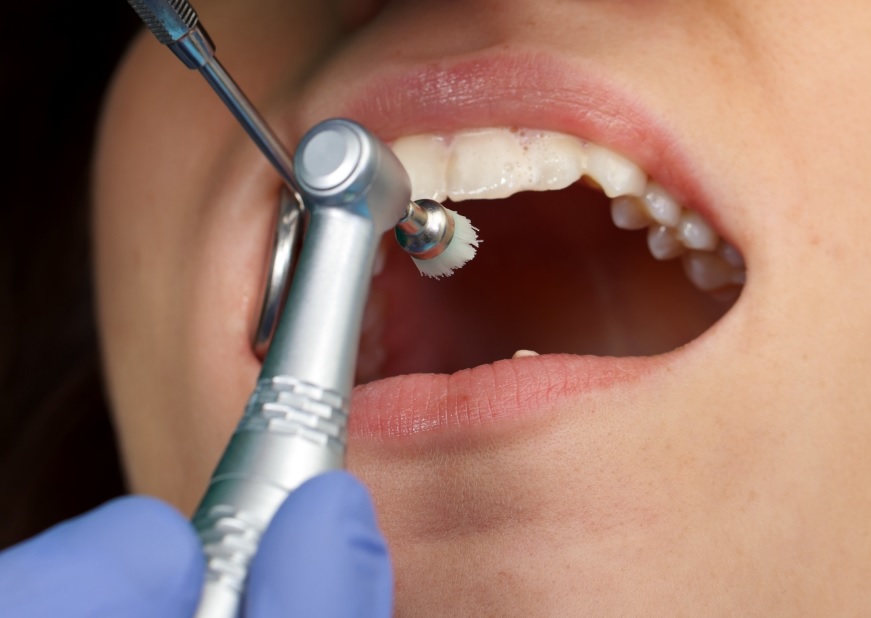
22 November 2021 Images are included for general illustration and do not establish or predict an individual treatment outcome. Make home care practical Daily tooth cleaning helps manage plaque, but technique and consistency matter. Use a soft toothbrush and fluoride toothpaste, and ask a dental practitioner to demonstrate a technique suited to your mouth. Brushing harder is not a substitute for reaching the appropriate surfaces gently. Clean between your teeth using a method that suits the spaces and any dental work. Floss or interdental brushes may be appropriate; ask for help choosing the size and technique. Mouthwash does not replace brushing or cleaning between teeth. Discuss difficulties without embarrassment Bleeding, sensitivity, limited hand movement or difficulty reaching a tooth can make daily care harder. Explain what you actually do and what gets in the way. A useful discussion starts with your experience, rather than an assumption that the practitioner can know every habit by looking at your teeth. Food choices are part of oral health, but eating apples or other firm foods does not replace tooth cleaning. Ask for individual advice about frequent sugary or acidic drinks and foods. Persistent symptoms need assessment rather than a change of toothbrush alone. Understand professional cleaning Hardened deposits may require scaling with dental instruments. The amount of build-up and the need for cleaning vary; tartar does not follow an identical six-month timetable for everyone. A practitioner can recommend a review interval based on your findings and risk factors. Professional cleaning may cause temporary sensitivity or tenderness, and it cannot reverse every problem or replace treatment for established disease. Contact Sydney CBD Dentistry to discuss an assessment, current fees and the care that may be suitable for you. Related articles Professional Teeth Cleaning: Benefits and Limits Dental Check-ups: Your Mouth and General Health Gum Disease: Signs, Assessment and Ongoing Care This article provides general information only. An examination is needed to assess your circumstances and suitability for treatment. All dental treatment carries risks, and results vary between individuals.
Tooth Removal Fees: Procedure and Aftercare
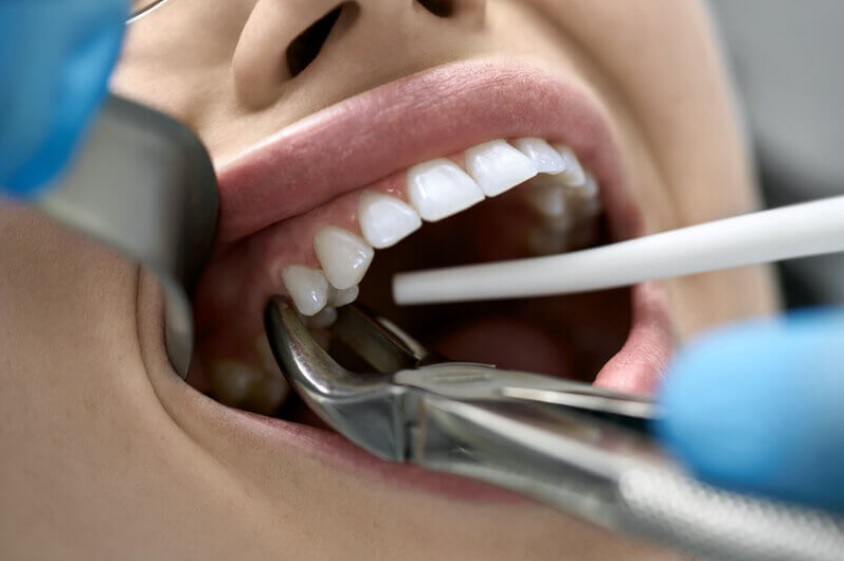
15 November 2021 Images are included for general illustration and do not establish or predict an individual treatment outcome. Understand the proposed procedure A dentist may recommend extraction for different reasons, including an unrestorable tooth or a particular treatment plan. Ask which findings support the recommendation and whether retaining or monitoring the tooth is an option. An examination and appropriate imaging guide this discussion. Some teeth can be removed without a surgical approach. Others may require an incision, division of the tooth or other additional steps. A tooth being visible in the mouth does not guarantee that its removal will be straightforward. Ask what the fee covers Request a current written estimate from Sydney CBD Dentistry. Clarify whether assessment, imaging, the procedure, stitches and follow-up are included. Ask what might change the fee and how any additional treatment would be discussed. If specialist care, sedation or hospital treatment is recommended, confirm availability, the separate providers and their charges. Check any insurance benefit against your own policy and the proposed item numbers. Historic prices are not a quote for your circumstances. Plan recovery as well as cost Discuss time away from usual activities and any help you may need. Pain, swelling and bleeding can follow removal; infection, dry socket and damage to adjacent structures are possible complications. Some teeth carry nerve or sinus risks that should be explained individually. Healing varies and is not necessarily complete when the gum looks closed. Follow the specific aftercare and review plan, and ask about the consequences of postponing treatment. You may wish to seek a second opinion from an appropriately qualified dental practitioner before invasive care. Related articles Tooth Extraction Costs: Understanding the Plan After Tooth Removal: Recovery and Warning Signs When Might a Tooth Need Removal? This article provides general information only. An examination is needed to assess your circumstances and suitability for treatment. All dental treatment carries risks, and results vary between individuals.
Why Dental Treatment Estimates Can Differ
1 November 2021 Images are included for general illustration and do not establish or predict an individual treatment outcome. Understand the clinical differences Two procedures with similar names can involve different levels of complexity. The condition of the tooth, surrounding tissues and your health can affect the proposed approach. Ask the dentist to explain which factors apply to your plan. For example, removing a tooth may require different steps depending on its position and condition. The estimate should reflect the assessed procedure rather than a universal fee assumption. Discuss materials without simple rankings Materials have different uses, limitations and maintenance needs. A higher price does not automatically make a material appropriate for every tooth, and a lower price does not establish poor quality. Ask about the proposed restoration, tooth preparation, alternatives and possible complications. For veneers or other irreversible care, discuss the future commitment and consider a second opinion. Check possible additional costs Confirm reviews, temporary work and laboratory costs where relevant, and ask how changes to the plan will be handled. No estimate can promise a permanent result or eliminate future dental expenses. Obtain clarification before proceeding. Related articles Choosing Dental Services for Your Needs Comparing Dental Clinics: Practical Questions Preparing Questions for Your Dental Appointment This article provides general information only. An examination is needed to assess your circumstances and suitability for treatment. All dental treatment carries risks, and results vary between individuals.
Professional Teeth Cleaning: Benefits and Limits

25 October 2021 Images are included for general illustration and do not establish or predict an individual treatment outcome. Assessment and cleaning have different purposes A dental examination considers the teeth, gums and other tissues of the mouth. Professional cleaning removes deposits where indicated. The two may be arranged together, but an examination does not automatically mean every cleaning procedure is needed. Tell the practitioner about pain, sensitivity, bleeding or changes you have noticed. Medical conditions and medicines can also affect the care plan. Ask what the examination found and which steps are being recommended. What cleaning can and cannot do Scaling removes hardened deposits that normal brushing cannot remove effectively. Polishing may remove some surface staining, but it is not the same as whitening the underlying tooth colour. If gum disease is present, a more involved treatment and review plan may be needed. Fluoride may be recommended according to decay risk. It is not a guarantee against cavities or tooth fracture. Likewise, an examination and clean cannot establish that the mouth is free from every possible problem or promise that future treatment will be unnecessary. Agree on aftercare and review Some people experience temporary sensitivity or gum tenderness after cleaning. Tell the practitioner if you are uncomfortable, and follow the advice given for the care you receive. Persistent or worsening symptoms should be reviewed. Daily brushing and cleaning between teeth remain important. Review intervals should be based on your oral health and risk factors. Ask about the current fee and inclusions before booking with Sydney CBD Dentistry, rather than assuming that an old package or no-gap offer still applies. Related articles Dental Cleaning: What the Appointment May Involve Teeth Scaling: Purpose, Limits and Aftercare Dental Cleaning Fees: Checking the Inclusions This article provides general information only. An examination is needed to assess your circumstances and suitability for treatment. All dental treatment carries risks, and results vary between individuals.
Looking After Your Teeth Between Dental Visits

22 October 2021 Images are included for general illustration and do not establish or predict an individual treatment outcome. Build a consistent cleaning routine Brush twice daily with fluoride toothpaste and a soft toothbrush, cleaning all tooth surfaces gently. Ask your dental practitioner to demonstrate a technique suitable for your mouth and any restorations or appliances. Clean between teeth daily using floss or an appropriate interdental aid. The right method depends on the spaces and dental work present. Do not force an aid into an area where it does not fit. Use products for a reason Mouthwash does not replace brushing or cleaning between teeth. Ask whether it is needed and which product and instructions apply to you. Children need age-appropriate toothpaste advice and supervision. Discuss frequent sugary foods or drinks, dry mouth and habits that affect your teeth. A practical routine should reflect your circumstances rather than an assumption that everyone needs the same products. Keep professional review individual Home care cannot remove every deposit or diagnose a dental problem. Ask when your next review is appropriate and arrange advice sooner for new or persistent symptoms. Good habits reduce some risks but do not guarantee freedom from dental disease or future treatment. Related articles Why Dental Treatment Estimates Can Differ Dental Filling Materials: How Choices Are Made How Often Should You Have a Dental Review? This article provides general information only. An examination is needed to assess your circumstances and suitability for treatment. All dental treatment carries risks, and results vary between individuals.