
Talking About Dental Fear Before Treatment
8 April 2022 Images are included for general illustration and do not establish or predict an individual treatment outcome. Describe your own triggers Tell the dentist what feels difficult, whether it relates to pain, sounds, needles, previous experiences or uncertainty. Your concerns do not need to be minimised or hidden. Ask for an explanation of what will happen before each step. You can discuss a stop signal, breaks and whether a support person is practical. For a child, ask for age-appropriate preparation rather than promising that nothing will hurt or that every visit will be enjoyable. Understand comfort options and limits Pain management and anxiety support depend on the procedure and your health. Report discomfort so it can be assessed. No technique can guarantee a pain-free or anxiety-free experience for everyone. If sedation or other additional support is being considered, confirm availability, suitability, risks and recovery requirements with the practitioner. Referral may be needed; do not assume a particular clinic provides it. Allow time and further support Ask for a plan you understand and take time before agreeing to elective care. Severe anxiety may benefit from help involving your dentist, GP or another appropriate professional. The aim is an informed approach to necessary care, not pressure to proceed despite unresolved concerns. Related articles Your Dentist’s Role in Assessment and Ongoing Care No-Gap Dental: Understanding Eligibility and Limits Choosing Dental Services for Your Needs This article provides general information only. An examination is needed to assess your circumstances and suitability for treatment. All dental treatment carries risks, and results vary between individuals.
Preparing Questions for Your Dental Appointment

30 March 2022 Images are included for general illustration and do not establish or predict an individual treatment outcome. Write down your main concerns Describe symptoms, when they began, what triggers them and whether they are changing. Include questions about cleaning, previous treatment or appearance concerns. Prioritise what you most want to understand during the visit. Our frequently asked questions about dental care may help you prepare for the discussion. Bring medication and allergy details and relevant health information. Ask in advance whether previous records are useful and how they should be provided. Confirm practical needs Check the address, appointment type, current fees and access arrangements before travelling. Tell the team about mobility, language or anxiety-related requirements. Do not assume transport or parking details in an old article remain current. During the assessment, ask for explanations in terms you understand. You can request clarification or a pause before proceeding. Leave with an understandable plan Ask what the findings mean, which options are available and the risks, costs and limitations of each. Confirm follow-up and who to contact if symptoms change. For substantial or irreversible treatment, take time to consider a second opinion if helpful. Related articles Talking About Dental Fear Before Treatment Making Sense of a Dental Treatment Estimate Why Dental Treatment Estimates Can Differ This article provides general information only. An examination is needed to assess your circumstances and suitability for treatment. All dental treatment carries risks, and results vary between individuals.
Dental Cleaning Fees: Checking the Inclusions

28 March 2022 Images are included for general illustration and do not establish or predict an individual treatment outcome. Find out what is being booked The terms check-up, scale and clean, and professional cleaning can refer to different combinations of care. Ask whether the proposed appointment includes an examination, scaling, polishing or other services, and how recommendations will be explained. X-rays and fluoride are separate clinical considerations. Their inclusion in an advertised package does not establish that they are needed for every person at every visit. Tell the practice about symptoms or known gum problems when arranging the appointment. Use a current estimate Ask Sydney CBD Dentistry for the current fee and inclusions that apply to you. Prices and offers in historical articles may have changed. Confirm any conditions in writing, including whether a quoted amount depends on an eligible health-fund benefit. If you have private health cover, check the proposed item numbers, waiting periods and remaining limits with your fund. No-gap or free treatment should not be assumed simply because the practice accepts a health fund. Ask about your expected out-of-pocket amount and how additional costs would be agreed. Allow for findings that change the plan A routine cleaning appointment may not cover treatment for established gum disease or another problem found during assessment. Ask for a separate explanation and estimate if more involved care is proposed. Discuss its benefits, risks, alternatives and the consequences of delay. Temporary sensitivity or gum tenderness can follow cleaning. Follow individual aftercare advice and continue home care. The need for future visits depends on your oral health and risk factors; paying for a clean does not guarantee that no other treatment will be needed. Related articles Teeth Cleaning Costs: What to Ask Before a Visit Dental Cleaning: What the Appointment May Involve Dental Check-ups: Your Mouth and General Health This article provides general information only. An examination is needed to assess your circumstances and suitability for treatment. All dental treatment carries risks, and results vary between individuals.
How Often Should You Have a Dental Review?
23 March 2022 Images are included for general illustration and do not establish or predict an individual treatment outcome. Use an individual interval There is no single review schedule that suits every person throughout life. Your dentist can recommend timing based on current findings, past disease, medical circumstances and other relevant risk factors. Ask why the proposed interval is appropriate. A treatment follow-up may be needed at a different time from a routine check-up. Clarify the purpose of each appointment rather than treating them as interchangeable. Discuss what the visit includes A review can include examination and advice, with imaging or cleaning when indicated. Tests and procedures should have an individual reason; they are not automatically required at every visit. Ask about costs and the next steps if a new concern is found. Polishing may remove some surface stain, but professional cleaning is not the same as bleaching the natural tooth colour. Seek advice between reviews New pain, swelling, persistent bleeding or other changes may need attention before the next scheduled appointment. Home care and regular review help manage risk but cannot promise that treatment or future expenses will be avoided. Related articles Preparing Questions for Your Dental Appointment Early Dental Symptoms: When to Arrange an Assessment Looking After Your Teeth Between Dental Visits This article provides general information only. An examination is needed to assess your circumstances and suitability for treatment. All dental treatment carries risks, and results vary between individuals.
Why Dental Reviews Matter Even Without Pain
16 March 2022 Images are included for general illustration and do not establish or predict an individual treatment outcome. Review the mouth, not just a sore tooth Some dental concerns may not cause pain at first. A review provides an opportunity to discuss changes and assess teeth, gums and other mouth tissues. Tell the dentist about medicines, health changes and anything you have noticed. Further tests or referral may be recommended where indicated. A routine examination cannot guarantee detection of every problem or future freedom from disease. Connect findings with decisions Ask which findings need treatment and which may be monitored. Discuss the purpose of proposed imaging, the available alternatives and how the results may affect the plan. If treatment is recommended, ask about risks, recovery, costs and future maintenance. A check-up is not a guarantee against general health conditions and should not be presented as one. Agree on the next review The interval should reflect your needs and risk factors. Ask for home-care advice that you can follow and seek advice sooner if symptoms develop. Keep the contact arrangements clear for concerns between appointments. Related articles How Often Should You Have a Dental Review? Your First Dental Visit: Assessment and Next Steps Choosing a Dental Clinic for Continuing Care This article provides general information only. An examination is needed to assess your circumstances and suitability for treatment. All dental treatment carries risks, and results vary between individuals.
Teeth Scaling: Purpose, Limits and Aftercare
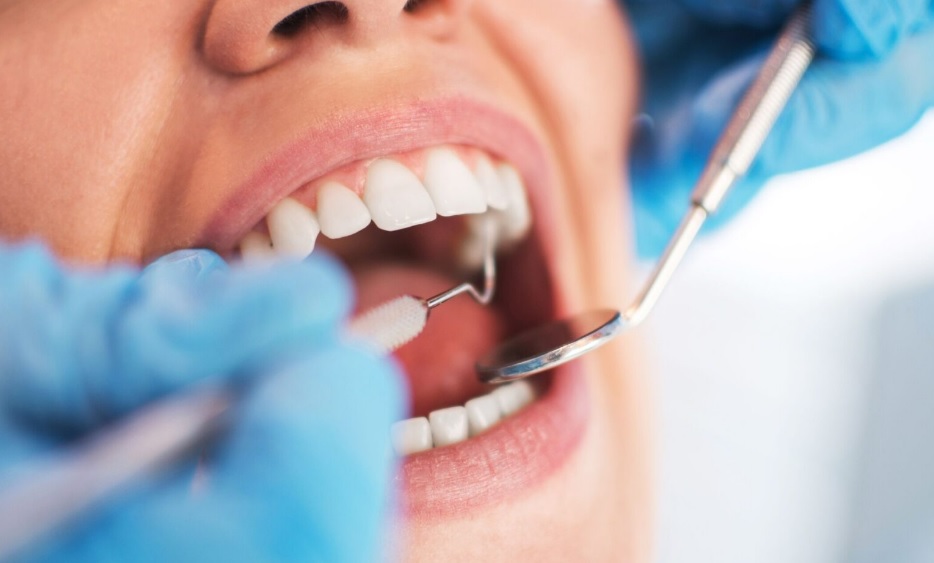
9 March 2022 Images are included for general illustration and do not establish or predict an individual treatment outcome. Why deposits may need professional removal Plaque is a film that forms on teeth. When deposits harden into calculus, also called tartar, they cannot be removed effectively by normal brushing alone. Scaling uses dental instruments to remove these deposits where treatment is indicated. Your dental practitioner will assess the teeth and gums before recommending care. Bleeding gums, an unpleasant taste or persistent bad breath can have different causes; cleaning alone is not a diagnosis or a solution for every symptom. Routine scaling and gum treatment differ Scaling can form part of a routine cleaning appointment. More involved cleaning beneath the gums may be needed for diagnosed gum disease, sometimes over several visits. The practitioner should explain the findings, treatment scope and review plan. Removing deposits and some surface stains is not the same as tooth whitening. Scaling does not permanently prevent plaque, make a tooth immune to decay or establish that all causes of bad breath have been treated. Daily care remains necessary. What to discuss afterwards Temporary sensitivity, gum tenderness or bleeding can occur, particularly where gums were inflamed. Ask what to expect in your circumstances and when to contact the practice. Persistent or worsening symptoms need review. Follow advice on brushing and cleaning between teeth. The recommended interval for future visits should reflect your oral health and risk factors rather than the same timetable for everyone. Discuss which findings can be monitored, the consequences of postponing necessary care and whether referral to a periodontist is appropriate. Related articles Dental Cleaning: What the Appointment May Involve Gum Disease: Signs, Assessment and Ongoing Care Teeth Cleaning Costs: What to Ask Before a Visit This article provides general information only. An examination is needed to assess your circumstances and suitability for treatment. All dental treatment carries risks, and results vary between individuals.
Everyday Oral Care and Professional Review

4 March 2022 Images are included for general illustration and do not establish or predict an individual treatment outcome. Keep daily care practical Clean your teeth twice daily with fluoride toothpaste and clean between them using a suitable aid. Ask for advice if an area is difficult to reach or if an appliance or restoration changes how you need to clean. Consider the frequency of sugary snacks and drinks, and discuss dry mouth or other factors affecting your teeth. Mouthwash is not a substitute for physical cleaning and should be used for an appropriate purpose. Understand what review can add A dental review can assess changes and help tailor prevention and treatment advice. Professional cleaning may remove deposits that you cannot remove at home, depending on your needs. It does not replace daily care or guarantee that disease will not occur. The recommended interval depends on your individual risk and findings. Ask why a particular schedule is proposed rather than assuming everyone needs exactly the same timing. Respond to changes Arrange advice for persistent pain, bleeding or other new symptoms instead of waiting for a scheduled visit. Dental problems and costs have many influences; they should not be treated as proof that someone has neglected their health. Related articles Why Dental Reviews Matter Even Without Pain Your Dentist’s Role in Assessment and Ongoing Care No-Gap Dental: Understanding Eligibility and Limits This article provides general information only. An examination is needed to assess your circumstances and suitability for treatment. All dental treatment carries risks, and results vary between individuals.
Comparing Dental Clinics: Practical Questions

28 February 2022 Images are included for general illustration and do not establish or predict an individual treatment outcome. Confirm practical arrangements Check the location, current hours, appointment availability and access arrangements directly. A nearby clinic is not automatically available for every urgent problem. Tell the team what you need assessed so they can advise appropriately. Ask who will treat you and whether any part of the proposed care is likely to require referral. A broad service list does not establish suitability for your particular condition. Ask how decisions are explained The dentist should relate the treatment recommendation to the findings and discuss alternatives, risks, limitations and follow-up. Equipment can support care, but its presence cannot guarantee results. Ask for an itemised estimate and check any insurance benefit separately. Avoid choosing solely on a price label, popularity or an unsupported claim of superior expertise. Allow time to decide Clarify your questions before consenting and confirm how concerns after treatment are handled. A second opinion can be useful for extensive or irreversible care. The choice should reflect your needs and the information available, not pressure from a promotion. Related articles Everyday Oral Care and Professional Review Talking About Dental Fear Before Treatment Making Sense of a Dental Treatment Estimate This article provides general information only. An examination is needed to assess your circumstances and suitability for treatment. All dental treatment carries risks, and results vary between individuals.
Finding No-Gap Dental Information You Can Rely On

22 February 2022 Images are included for general illustration and do not establish or predict an individual treatment outcome. Verify current participation A clinic listing or historical article does not establish a current no-gap agreement. Ask whether the clinic participates in an arrangement relevant to your insurer and policy, and request the current terms. No gap does not mean all procedures are free. The arrangement may apply only to specified preventive services or patients and may depend on available benefits. Confirm what you would pay Obtain item numbers and check benefits, waiting periods, annual limits and any other restrictions with the insurer. Ask what happens if a benefit is lower than expected or additional treatment is recommended. Confirm the estimate before agreeing to care. This article does not promise a current package, a particular rebate, free X-rays or a returning-patient fee. Keep the assessment individual Procedures should be recommended because of clinical findings, with risks and alternatives explained. Do not choose unnecessary treatment simply to use an insurance benefit. Ask for time to consider the plan and seek clarification about both care and costs. Related articles How a Tooth Crown Works and What to Consider Returning Dental Visits: What to Confirm Cosmetic Dentistry: Comparing Different Approaches This article provides general information only. An examination is needed to assess your circumstances and suitability for treatment. All dental treatment carries risks, and results vary between individuals.
Dental Pain, Swelling and Bleeding: Seeking Advice

26 January 2022 Images are included for general illustration and do not establish or predict an individual treatment outcome. Symptoms need assessment Dental pain may be triggered by temperature, biting or occur without an obvious trigger. The pattern alone does not tell you how small or serious the problem is. Record when it started and describe swelling, injury, bleeding or other changes. Repeated gum bleeding or a persistent sore area also deserves assessment. Do not assume the cause or that one type of treatment will necessarily resolve it. Recognise urgent changes Seek prompt dental advice for significant pain, swelling, pus or a suspected infection. Do not try to drain a swelling yourself. If swelling spreads rapidly or you have difficulty breathing or swallowing, seek urgent medical help; call 000 for a medical emergency. Medicines do not replace assessment and treatment of the cause. Antibiotics are not needed for every toothache and should only be taken as prescribed. Ask about treatment and review The dentist can explain the findings and whether further tests, treatment or referral are needed. Discuss risks, alternatives and costs. Follow the individual instructions and seek further advice if symptoms persist or worsen. Related articles Dental Filling Materials: How Choices Are Made How Often Should You Have a Dental Review? Your First Dental Visit: Assessment and Next Steps This article provides general information only. An examination is needed to assess your circumstances and suitability for treatment. All dental treatment carries risks, and results vary between individuals.