
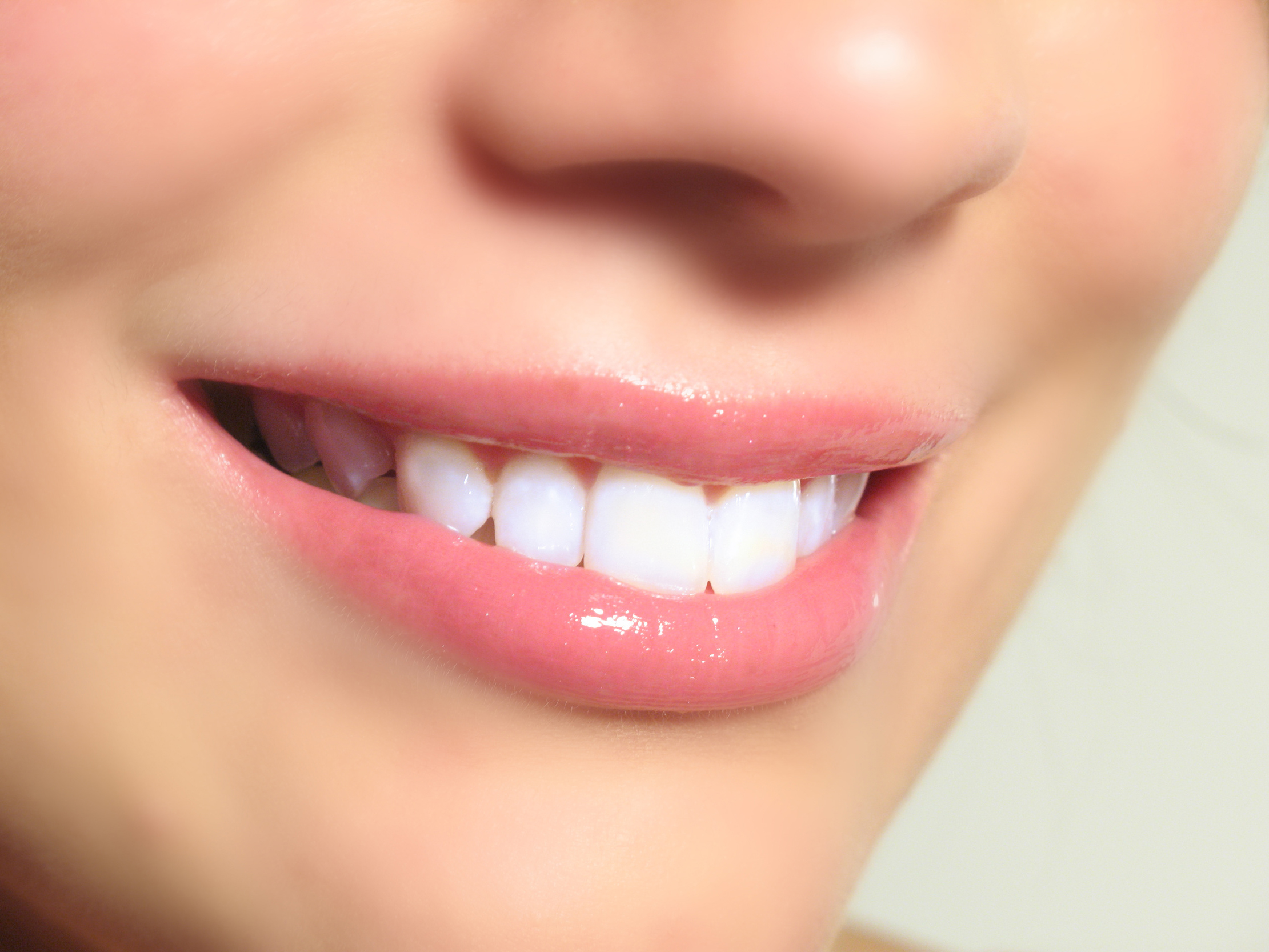
Images are included for general illustration and do not establish or predict an individual treatment outcome.
Decide what you want to change
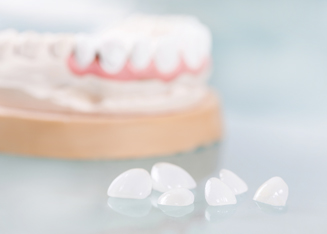
Veneers cover the front surface of a tooth with composite resin or ceramic. They may be considered for a particular shape, colour or surface concern after examination. They do not move the tooth or replace an assessment of the bite. Normal differences in tooth appearance do not necessarily need treatment.
Ask the dentist to explain what veneers could and could not change in your case. A proposed number of veneers should have an individual rationale, rather than being determined only by a package.
Consider the future commitment
Ask how much tooth preparation is proposed and whether it can be avoided. Discuss the material, appointment sequence, temporary restorations and follow-up. Once enamel is removed it does not grow back, and a prepared tooth may continue to need a restoration.
Veneers need cleaning and regular review. Repair or replacement can become necessary, so discuss future care and costs as well as the initial estimate. No particular lifespan or appearance is guaranteed.
Understand risks and alternatives
Veneers can involve irreversible removal of enamel. Risks include sensitivity, chipping, debonding, gum irritation, changes in the bite and a colour or shape that does not meet expectations. The underlying tooth can still develop decay, and further treatment or replacement may be needed.
Discuss alternatives such as limited bonding, orthodontic assessment, whitening where suitable or keeping your teeth as they are. Before invasive or irreversible treatment, you may wish to seek a second opinion from an appropriately qualified dental practitioner.
Related articles
- Dental Veneers: Materials, Risks and Maintenance
- Veneer Costs: What the Treatment Estimate Covers
- Veneers: Understanding Before-and-After Images
This article provides general information only. An examination is needed to assess your circumstances and suitability for treatment. All dental treatment carries risks, and results vary between individuals.