

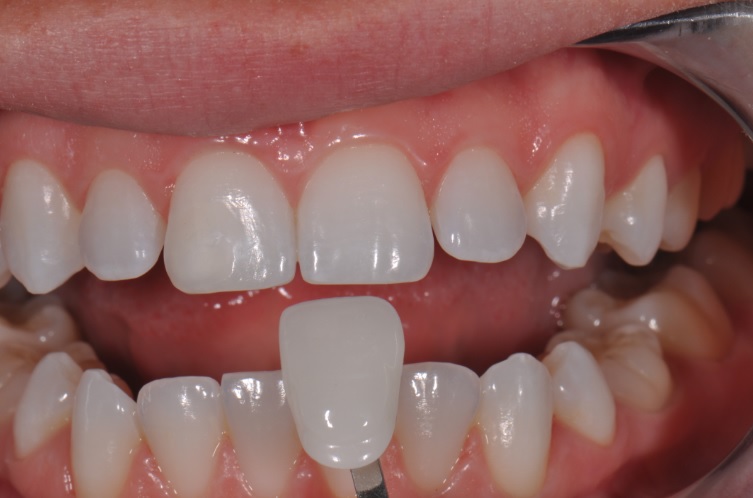
What veneers do
Veneers are coverings bonded to the front surfaces of teeth. They can change a tooth's visible shape or colour, but they do not move its root or treat underlying decay or gum disease. Natural variation in appearance does not require a veneer.
An examination is needed to consider the condition of each tooth, the bite and the amount of tooth structure that would need to be altered. A veneer is not suitable for every tooth or every person.
Porcelain and composite materials
Porcelain veneers are made outside the mouth before they are bonded to prepared teeth. Composite veneers use tooth-coloured resin, often shaped directly on the tooth. The material, preparation and number of appointments depend on the plan.
Composite may be repairable in some situations, but neither material should be described as maintenance-free. Discuss the reasons for a particular recommendation rather than choosing from photographs or an assumed lifespan.
Risks and limitations
Veneers may chip, crack, wear, stain or become loose. Decay can still develop around a restored tooth. The result may differ from what you expected, and adjustment, repair or replacement may be needed.
Preparation can remove enamel permanently. Sensitivity or discomfort may occur, and the dentist should explain any additional risks relevant to the tooth and the proposed preparation. Do not assume that a composite veneer can later be removed without affecting the tooth.
How long do veneers last?
There is no single replacement timetable that applies to everyone. Material, bite forces, grinding, oral hygiene and the condition of the underlying tooth affect performance. A veneer can require attention sooner than anticipated.
Have a loose, cracked or uncomfortable veneer assessed. A change in the bite, persistent sensitivity or an area that traps food also warrants a review. Do not try to glue a veneer back yourself.
Care and alternatives
Continue brushing with fluoride toothpaste and cleaning between teeth. Avoid using teeth to open packaging or biting hard objects. Attend reviews at an interval agreed with your dentist, and discuss grinding if it is relevant to you.
Depending on the concern, alternatives can include no cosmetic treatment, monitoring, whitening, a limited repair or orthodontic assessment. Each option has different limitations. Ask how much healthy tissue would be changed and what future maintenance involves.
For invasive or irreversible treatment, you may wish to seek a second opinion from an appropriately qualified health practitioner before deciding.
Related articles
- How long veneers may last
- Veneer benefits and limitations
- Composite veneers and bonding
This article provides general information only. An examination is needed to assess your circumstances and suitability for treatment. All dental treatment carries risks, and results vary between individuals.