
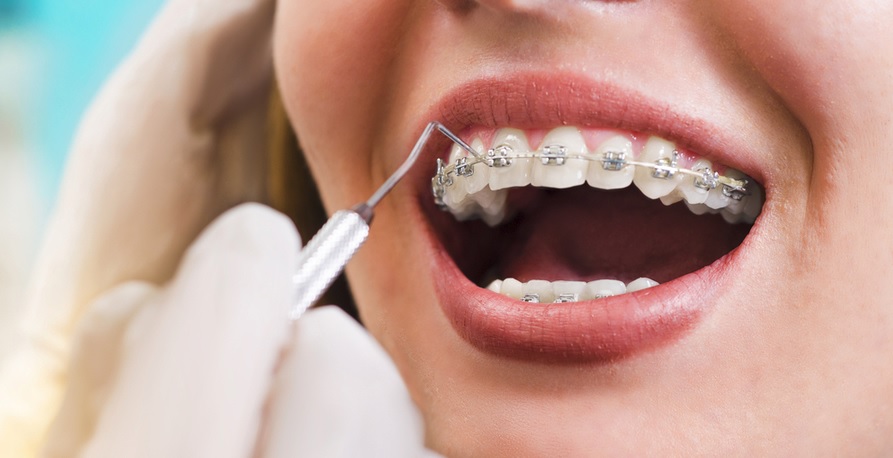
Images are included for general illustration and do not establish or predict an individual treatment outcome.
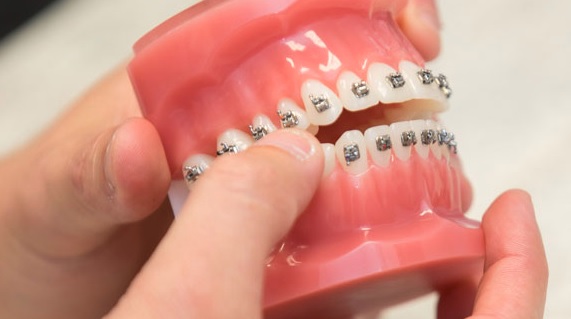
An assessment looks beyond appearance
Orthodontic care considers tooth position and how the teeth and jaws meet. An examination can help distinguish a concern that may benefit from treatment from normal variation or a situation that can be monitored. Tell the clinician what concerns you and ask what the findings mean for your oral health.
A particular appearance does not establish a diagnosis or a need for treatment. The health of teeth and gums matters before movement is planned. Ask whether other dental care is needed first.
Discuss options and who will provide care
Braces and clear aligners work differently and may suit different movements. Ask about their limitations, cleaning requirements and the commitment involved. An orthodontist has specialist registration; some general dentists also provide orthodontic care. Clarify whether referral is appropriate for the complexity of your case.
Request a written plan covering the intended changes, estimated duration, fees, reviews and retention. Outcomes and timing vary. A proposed plan should also explain what is unlikely to change and whether further treatment could be needed.
Make an informed decision
Orthodontic treatment can cause soreness and irritation. Other risks include decay or white marks, gum problems, changes to tooth roots and unwanted tooth movement. Teeth may move again after treatment. Ask which risks apply to your mouth, how they will be monitored and what retention will involve.
Discuss suitable alternatives, including different appliances or no treatment where appropriate. If extraction, enamel reduction or another irreversible procedure is proposed, ask why it is needed and consider a second opinion from an appropriately qualified dental practitioner before deciding.
Related articles
- Orthodontic Treatment: Assessment to Retention
- Clear Aligners and Braces: Comparing Your Options
- Adult Braces: Suitability and Practical Considerations
This article provides general information only. An examination is needed to assess your circumstances and suitability for treatment. All dental treatment carries risks, and results vary between individuals.