
Orthodontic Assessment in Sydney: What to Discuss

25 January 2020 Images are included for general illustration and do not establish or predict an individual treatment outcome. Check who is providing the assessment An orthodontist is a dentist with recognised specialist registration in orthodontics. General dentists may also provide orthodontic care within their competence. Check the practitioner’s registration and ask when specialist referral is appropriate. The term on an article URL does not establish that Sydney CBD Dentistry employs a specialist orthodontist. Confirm the current practitioner and referral arrangements directly with the practice. Compare the options for your circumstances Assessment considers tooth positions, the bite and oral health. Depending on the findings, options may include fixed braces, clear aligners, other appliances or no active treatment. An appliance’s appearance or brand does not show that it is suitable for your situation. Ask about the planned changes, limitations and risks. Orthodontic treatment can cause discomfort and makes careful cleaning important. Discuss gum health, decay risk, root changes and the possibility that the result will differ from the original plan. Plan time, fees and retention Request an explanation of estimated treatment time, review visits, responsibilities and fees. Ask what happens if treatment takes longer or additional appliances are needed. Historical price ranges and promised durations should not guide your decision. Teeth can move after treatment. Discuss retention and ongoing reviews before starting, including replacement retainer costs. You can seek a second opinion if you are uncertain about the proposed plan. Related articles Teeth Whitening Costs: What to Ask Before Booking Professional Teeth Whitening: The Consultation Teeth Whitening in Sydney: Making an Informed Choice This article provides general information only. An examination is needed to assess your circumstances and suitability for treatment. All dental treatment carries risks, and results vary between individuals.
Adult Braces in Sydney: Suitability and Practical Considerations

9 July 2019 Images are included for general illustration and do not establish or predict an individual treatment outcome. Adult treatment starts with oral health Adults can be assessed for orthodontic treatment. Suitability depends on more than age: the condition of the teeth, gums and supporting bone, the bite and existing restorations all matter. The clinician may need to coordinate treatment with other dental care. Bookings are with our Sydney CBD dentist at 70 Pitt Street. Explain your concerns and ask whether movement is needed, optional or unlikely to address them. Braces or aligners cannot be assumed to correct every jaw problem, and an assessment may lead to specialist referral. Plan for daily life and ongoing appointments Discuss cleaning around appliances, eating, work and review visits. Removable aligners require consistent wear, while fixed braces have their own care requirements. Ask how either option would interact with crowns, bridges or other existing dental work. Request current fees and a clear explanation of treatment stages, possible additional procedures and retention. Do not assume that an old article establishes current appliance availability at a particular branch. Ask the practice who would provide the proposed treatment and where follow-up would occur. Allow time to consider the decision Orthodontic treatment can cause soreness and irritation. Other risks include decay or white marks, gum problems, changes to tooth roots and unwanted tooth movement. Teeth may move again after treatment. Ask which risks apply to your mouth, how they will be monitored and what retention will involve. Discuss suitable alternatives, including different appliances or no treatment where appropriate. If extraction, enamel reduction or another irreversible procedure is proposed, ask why it is needed and consider a second opinion from an appropriately qualified dental practitioner before deciding. Related articles Orthodontic Assessment: Teeth, Bite and Treatment Options Clear Aligners and Braces: Comparing Your Options Braces Costs: What to Ask Before Treatment This article provides general information only. An examination is needed to assess your circumstances and suitability for treatment. All dental treatment carries risks, and results vary between individuals.
Orthodontic Assessment: Teeth, Bite and Treatment Options
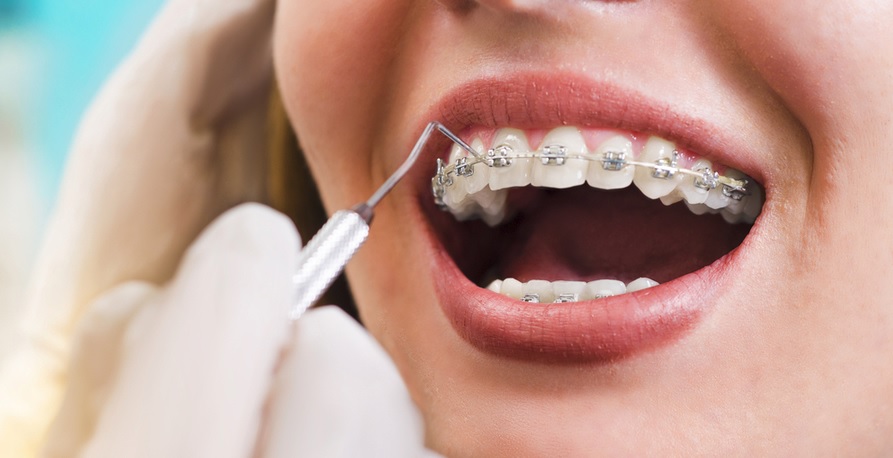
25 March 2019 Images are included for general illustration and do not establish or predict an individual treatment outcome. An assessment looks beyond appearance Orthodontic care considers tooth position and how the teeth and jaws meet. An examination can help distinguish a concern that may benefit from treatment from normal variation or a situation that can be monitored. Tell the clinician what concerns you and ask what the findings mean for your oral health. A particular appearance does not establish a diagnosis or a need for treatment. The health of teeth and gums matters before movement is planned. Ask whether other dental care is needed first. Discuss options and who will provide care Braces and clear aligners work differently and may suit different movements. Ask about their limitations, cleaning requirements and the commitment involved. An orthodontist has specialist registration; some general dentists also provide orthodontic care. Clarify whether referral is appropriate for the complexity of your case. Request a written plan covering the intended changes, estimated duration, fees, reviews and retention. Outcomes and timing vary. A proposed plan should also explain what is unlikely to change and whether further treatment could be needed. Make an informed decision Orthodontic treatment can cause soreness and irritation. Other risks include decay or white marks, gum problems, changes to tooth roots and unwanted tooth movement. Teeth may move again after treatment. Ask which risks apply to your mouth, how they will be monitored and what retention will involve. Discuss suitable alternatives, including different appliances or no treatment where appropriate. If extraction, enamel reduction or another irreversible procedure is proposed, ask why it is needed and consider a second opinion from an appropriately qualified dental practitioner before deciding. Related articles Orthodontic Treatment: Assessment to Retention Clear Aligners and Braces: Comparing Your Options Adult Braces: Suitability and Practical Considerations This article provides general information only. An examination is needed to assess your circumstances and suitability for treatment. All dental treatment carries risks, and results vary between individuals.
Invisalign Sydney CBD: Clear Aligner Planning and Follow-Up

21 March 2019 Images are included for general illustration and do not establish or predict an individual treatment outcome. Begin with an examination Clear aligner treatment starts with a clinical assessment, not simply an impression or scan. The treating practitioner evaluates the teeth, gums and bite and discusses your concerns. Imaging and other records may be needed to understand what movements are appropriate. Bookings are with our dentist in Sydney CBD at 70 Pitt Street. Ask whether clear aligners, braces or another approach better suits the proposed correction. Invisalign is a clear aligner brand, and its use still requires individual assessment and informed consent. Normal variation in tooth appearance does not by itself mean treatment is necessary. Review the plan as treatment progresses Aligners are worn in a prescribed sequence and progress needs review. Ask about the review schedule, the possible use of attachments and what would prompt a change in the plan. Contact the clinician about poor fit or persistent symptoms. Do not advance through trays without the agreed instructions. Treatment duration and the need for additional aligners vary. Discuss how changes in scope or fees would be explained. Retainers and ongoing care are part of planning because teeth can move after active treatment ends. Understand risks and alternatives Orthodontic treatment can cause soreness and irritation. Other risks include decay or white marks, gum problems, changes to tooth roots and unwanted tooth movement. Teeth may move again after treatment. Ask which risks apply to your mouth, how they will be monitored and what retention will involve. Discuss suitable alternatives, including different appliances or no treatment where appropriate. If extraction, enamel reduction or another irreversible procedure is proposed, ask why it is needed and consider a second opinion from an appropriately qualified dental practitioner before deciding. Related articles Clear Aligners: Daily Wear, Cleaning and Review Choosing a Clinician for Clear Aligner Treatment Clear Aligner Prices: Understanding the Estimate This article provides general information only. An examination is needed to assess your circumstances and suitability for treatment. All dental treatment carries risks, and results vary between individuals.
Clear Aligner Prices: Understanding the Estimate

18 March 2019 Images are included for general illustration and do not establish or predict an individual treatment outcome. Understand what the proposed package covers A clear aligner estimate should describe the treatment scope and the care included. Ask which records, appointments and appliances are covered and whether treatment is limited to certain movements or a defined course. A package name does not establish suitability. The clinician should explain the condition of your teeth and bite, the intended changes and any limitations. Additional dental treatment may be needed before orthodontic care. Ask about these separate steps and their costs. Clarify refinements and retention Ask what happens if further aligners or adjustments are needed, and whether these carry extra fees or time limits. Check the arrangements for lost appliances, missed reviews, retainers and post-treatment appointments. A low initial amount may not describe the complete cost. Contact Sydney CBD Dentistry for current information based on assessment. Historical Invisalign package amounts and payment examples are not a current quote. Confirm any private health benefit directly with your insurer, including waiting periods and lifetime limits. Consider the risks and commitment Orthodontic treatment can cause soreness and irritation. Other risks include decay or white marks, gum problems, changes to tooth roots and unwanted tooth movement. Teeth may move again after treatment. Ask which risks apply to your mouth, how they will be monitored and what retention will involve. Discuss suitable alternatives, including different appliances or no treatment where appropriate. If extraction, enamel reduction or another irreversible procedure is proposed, ask why it is needed and consider a second opinion from an appropriately qualified dental practitioner before deciding. Related articles Clear Aligners and Braces: Comparing Your Options Clear Aligner Treatment: Planning and Follow-Up Braces Costs: What to Ask Before Treatment This article provides general information only. An examination is needed to assess your circumstances and suitability for treatment. All dental treatment carries risks, and results vary between individuals.
Braces Costs: What to Ask Before Treatment
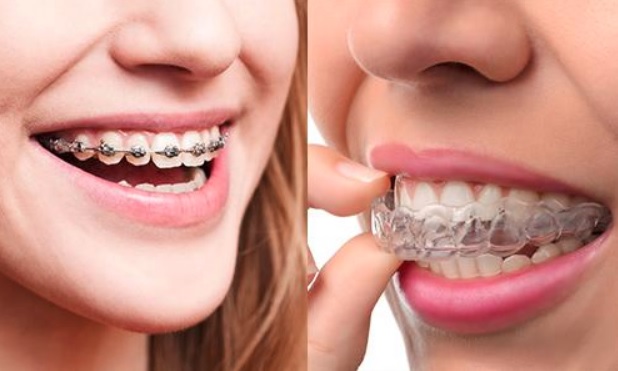
29 May 2018 Images are included for general illustration and do not establish or predict an individual treatment outcome. Compare the complete course of care Braces treatment involves assessment, planning, appliances and continuing reviews. The extent of the proposed correction and the appliance design influence the plan and estimate. Ask why a particular approach is recommended and what alternatives could address your needs. Check whether the fee covers records and imaging, fittings, adjustments, appliance removal, retainers and follow-up. Ask how breakages, unexpected appointments, additional treatment or a transfer to another provider would be handled. Confirm current fees and health cover Request a current written estimate from the treating practice. Old price ranges and repayment examples do not establish today’s fees or your total cost. Clarify any preliminary dental treatment, extraction or other procedure charged separately. Orthodontic insurance benefits vary between policies. Ask your insurer about waiting periods, annual and lifetime limits, item numbers and the timing of claims. Receiving a benefit does not necessarily mean the full fee is covered. Include retainer repair or replacement in your questions about longer-term costs. Costs do not replace the clinical discussion Orthodontic treatment can cause soreness and irritation. Other risks include decay or white marks, gum problems, changes to tooth roots and unwanted tooth movement. Teeth may move again after treatment. Ask which risks apply to your mouth, how they will be monitored and what retention will involve. Discuss suitable alternatives, including different appliances or no treatment where appropriate. If extraction, enamel reduction or another irreversible procedure is proposed, ask why it is needed and consider a second opinion from an appropriately qualified dental practitioner before deciding. Related articles Orthodontic Treatment: Assessment to Retention Clear Aligner Prices: Understanding the Estimate Adult Braces: Suitability and Practical Considerations This article provides general information only. An examination is needed to assess your circumstances and suitability for treatment. All dental treatment carries risks, and results vary between individuals.
Orthodontic Treatment: Assessment to Retention
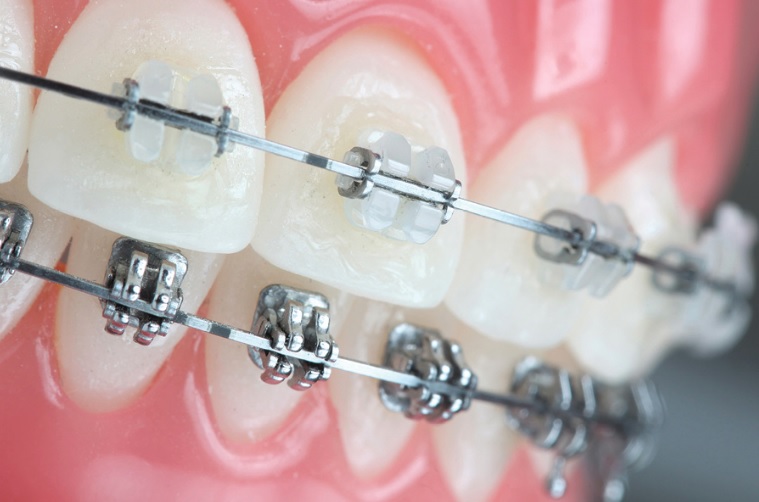
25 May 2018 Images are included for general illustration and do not establish or predict an individual treatment outcome. Assessment comes before appliance selection An orthodontic assessment considers tooth positions, bite, jaw relationships and the health of the teeth and supporting tissues. Photographs, scans or impressions and X-rays may be needed. The clinician explains the findings and whether treatment, monitoring or referral is appropriate. Ask what treatment is intended to achieve and what it may not change. Some general dentists provide orthodontic treatment; an orthodontist is a registered dental specialist. Clarify who will provide and supervise your care. Active treatment needs review Braces or aligners are used according to the treatment plan, with appointments to review movement, appliance fit and oral health. Follow instructions about cleaning, food and appliance wear. Tell the clinician about breakages or unexpected symptoms rather than attempting repairs yourself. The timetable depends on the case and response to treatment. Once active movement finishes, a retention plan helps manage the tendency of teeth to move. Ask about retainer wear, replacement and future review appointments. Discuss risks and alternatives first Orthodontic treatment can cause soreness and irritation. Other risks include decay or white marks, gum problems, changes to tooth roots and unwanted tooth movement. Teeth may move again after treatment. Ask which risks apply to your mouth, how they will be monitored and what retention will involve. Discuss suitable alternatives, including different appliances or no treatment where appropriate. If extraction, enamel reduction or another irreversible procedure is proposed, ask why it is needed and consider a second opinion from an appropriately qualified dental practitioner before deciding. Related articles Orthodontic Assessment: Teeth, Bite and Treatment Options Clear Aligners: Daily Wear, Cleaning and Review Braces Costs: What to Ask Before Treatment This article provides general information only. An examination is needed to assess your circumstances and suitability for treatment. All dental treatment carries risks, and results vary between individuals.
Invisalign Costs: What a Treatment Quote Should Explain
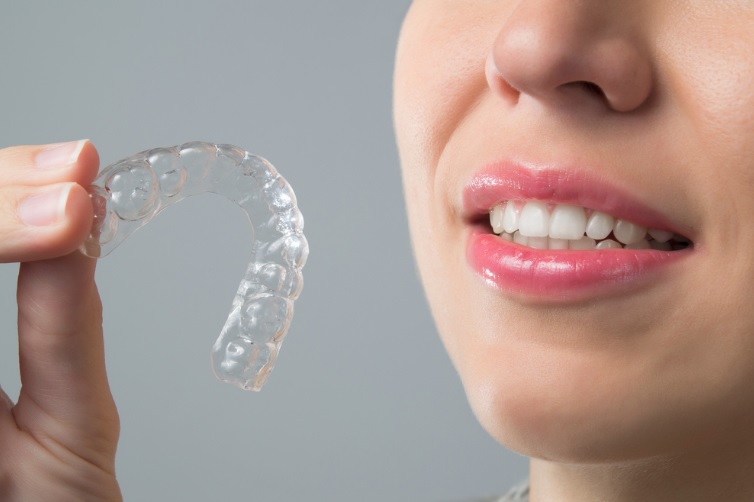
22 May 2018 Images are included for general illustration and do not establish or predict an individual treatment outcome. Start with orthodontic assessment Invisalign is one brand of clear aligner treatment. Suitability depends on the teeth, gums, bite and movements required. Ask whether aligners, fixed appliances, referral or no treatment are appropriate options. A digital plan illustrates intended movements but cannot guarantee the final result. Ask what limitations and alternatives apply in your case. Check the scope of the estimate Confirm whether records, scans, aligners, reviews, attachments, refinements and retainers are included. Ask about replacement appliances, missed appointments and circumstances requiring additional treatment or fees. Treatment length and complexity vary. Do not rely on a past advertised starting price or assume that every case fits the same package. Check any insurance benefit separately. Understand risks and ongoing care Possible risks include soreness, decay if cleaning is inadequate, gum problems, changes to roots or bite and relapse. Wearing and caring for appliances as directed and attending reviews are important, but do not guarantee a particular outcome. Ask about retention and consider a second opinion if you are uncertain. Related articles Choosing Dental Care in Sydney: An Informed Approach Dental Emergencies: Getting the Right Assessment Finding No-Gap Dental Information You Can Rely On This article provides general information only. An examination is needed to assess your circumstances and suitability for treatment. All dental treatment carries risks, and results vary between individuals.
Clear Aligners: Daily Wear, Cleaning and Review
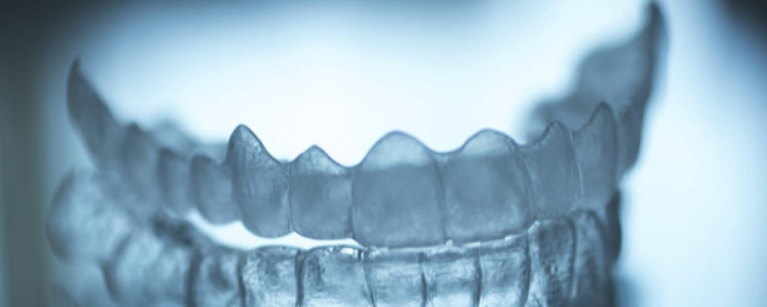
18 May 2018 Images are included for general illustration and do not establish or predict an individual treatment outcome. Follow your prescribed sequence Clear aligners are made for a planned sequence of tooth movements. Wear and change them according to your treating clinician’s instructions. Do not skip stages or change the schedule yourself because a tray feels loose or treatment seems slower than expected. Ask what to do if an aligner is lost, damaged or no longer fits. The appropriate next step depends on your stage of treatment. Contact the practice rather than forcing an appliance into place. Make cleaning part of the routine Remove aligners for meals and drinks other than water as instructed. Clean your teeth and the appliances using the method recommended by your clinician. Sugary or acidic drinks trapped against teeth can contribute to damage. Removable trays do not eliminate the risk of decay or gum problems. Attend reviews so the clinician can check oral health and progress. Tell them about persistent discomfort, gum changes or fitting problems. Discuss retainers before active treatment ends, including cleaning, replacement and what to do if a retainer breaks. Keep expectations individual Orthodontic treatment can cause soreness and irritation. Other risks include decay or white marks, gum problems, changes to tooth roots and unwanted tooth movement. Teeth may move again after treatment. Ask which risks apply to your mouth, how they will be monitored and what retention will involve. Discuss suitable alternatives, including different appliances or no treatment where appropriate. If extraction, enamel reduction or another irreversible procedure is proposed, ask why it is needed and consider a second opinion from an appropriately qualified dental practitioner before deciding. Related articles Clear Aligner Treatment: Planning and Follow-Up Clear Aligners and Braces: Comparing Your Options Orthodontic Treatment: Assessment to Retention This article provides general information only. An examination is needed to assess your circumstances and suitability for treatment. All dental treatment carries risks, and results vary between individuals.
Choosing a Clinician for Clear Aligner Treatment
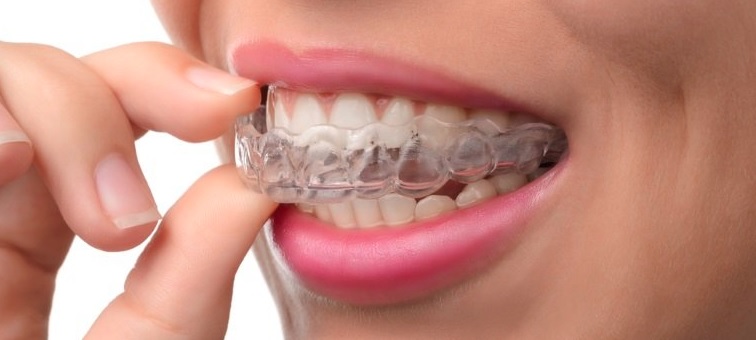
15 May 2018 Images are included for general illustration and do not establish or predict an individual treatment outcome. Focus on assessment and responsibility Before choosing an aligner provider, ask who will examine your teeth and gums, plan treatment and supervise progress. Check the practitioner’s registration through Ahpra’s public register. A brand provider label or marketing description is not a substitute for understanding the clinician’s role or your individual needs. Some general dentists provide orthodontic care, while orthodontists have specialist registration. Ask whether your case would benefit from specialist assessment. This article does not claim that Sydney CBD Dentistry has an orthodontist on staff or holds a particular provider tier. Clarify how progress will be reviewed Ask which records and imaging are needed and how appointments will monitor tooth movement, gum health and appliance fit. A digital plan is a planning aid, not a promise of the final result. Find out whom to contact if an aligner does not fit or you develop unexpected symptoms. Request the full treatment scope, expected costs, refinement arrangements and retention plan in writing. You should be able to ask questions and consider alternatives before committing to treatment. Understand limitations and risks Orthodontic treatment can cause soreness and irritation. Other risks include decay or white marks, gum problems, changes to tooth roots and unwanted tooth movement. Teeth may move again after treatment. Ask which risks apply to your mouth, how they will be monitored and what retention will involve. Discuss suitable alternatives, including different appliances or no treatment where appropriate. If extraction, enamel reduction or another irreversible procedure is proposed, ask why it is needed and consider a second opinion from an appropriately qualified dental practitioner before deciding. Related articles Clear Aligners and Braces: Comparing Your Options Clear Aligner Treatment: Planning and Follow-Up Orthodontic Assessment: Teeth, Bite and Treatment Options This article provides general information only. An examination is needed to assess your circumstances and suitability for treatment. All dental treatment carries risks, and results vary between individuals.