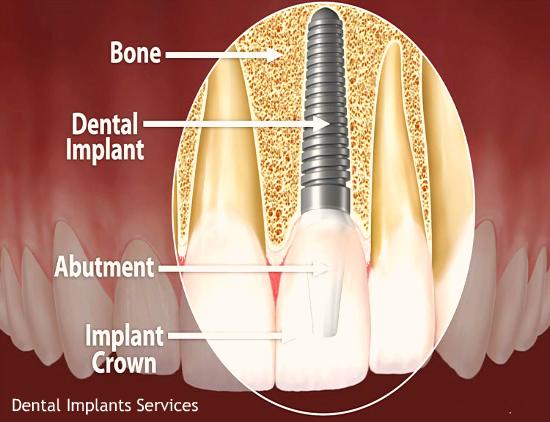
Images are included for general illustration and do not establish or predict an individual treatment outcome.
Review more than symptoms
A check-up is an opportunity to discuss your oral health even when nothing hurts. Tell the dentist about sensitivity, bleeding, dry mouth, grinding or changes you have noticed. The examination helps decide whether further assessment is needed.
An X-ray or other test should have a clinical reason. Ask what information it is expected to provide and how it could change your care.
Build a practical care routine
Ask for advice on cleaning the areas you find difficult, suitable products and habits relevant to your oral health. Prevention and review can help manage risk, but they do not guarantee that future dental treatment will be unnecessary.
The timing of review appointments should reflect your circumstances. Ask why a particular interval has been recommended and whether it should change after new symptoms or treatment.
Discuss findings before treatment
If treatment is proposed, ask what problem it addresses, the alternatives and the possible complications. Confirm costs and follow-up before proceeding. Seek advice about new or worsening symptoms instead of waiting automatically for your next routine visit.
Related articles
- Comparing Dental Costs in Sydney
- Planning a Dental Appointment in the City
- Understanding Dental Photographs and Galleries
This article provides general information only. An examination is needed to assess your circumstances and suitability for treatment. All dental treatment carries risks, and results vary between individuals.