
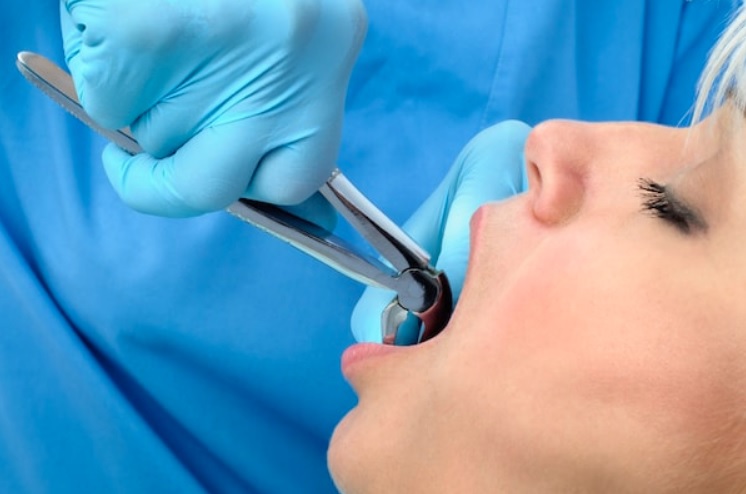
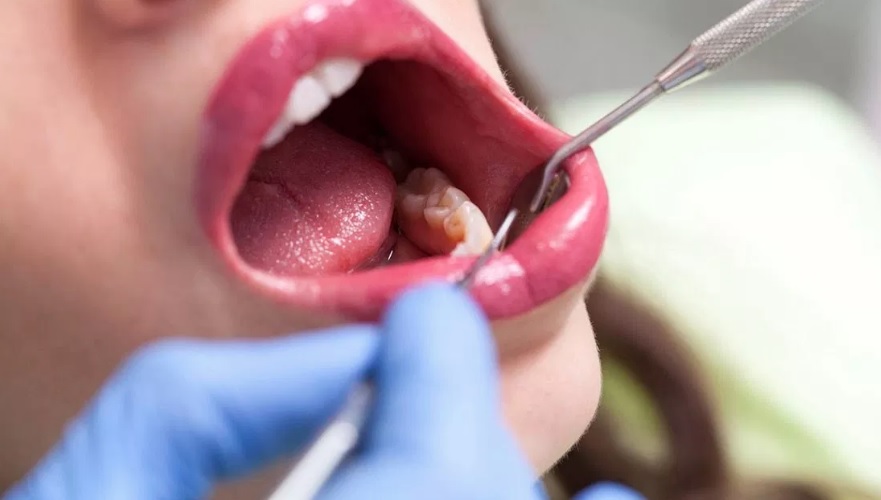
Planning for tooth removal
An extraction removes a tooth when this is appropriate after assessment. Some teeth can be loosened and removed directly; others require a surgical approach. The procedure and recovery differ between people, so ask what applies to your situation.
Discuss whether the tooth can be retained with a restoration or root canal treatment, or whether another approach is appropriate. Extraction is irreversible. Monitoring or delaying treatment may carry risks that also need explanation.
Before the appointment
Tell your dentist about your medicines, allergies and medical conditions. Ask about eating, transport, work and activity restrictions for the planned anaesthetic and procedure. Do not stop prescribed medicines unless the treating clinician tells you to.
Ask for written aftercare instructions and a contact route for concerns. Clarify any specialist referral, follow-up or later discussion about replacing the tooth. For invasive or irreversible treatment, you may wish to seek a second opinion from an appropriately qualified health practitioner before deciding.
The first day
Follow the dentist's directions for gauze and pressure to control bleeding. Protect the healing clot: avoid vigorous rinsing or spitting initially, and do not disturb the socket. Rest and follow instructions about smoking, alcohol and strenuous activity.
Choose suitable soft foods and take care while your mouth is numb. Use pain relief only as directed and check with a pharmacist or clinician if you are unsure it is suitable for you. A cold pack should be wrapped and used according to the advice you receive.
Cleaning and recovery
Keep the other teeth clean without brushing directly into the wound. Your dentist will advise when to begin gentle rinsing. Recovery can take longer after a more complex extraction, and returning to work or exercise should follow individual advice.
Discomfort and swelling can occur, but their course matters. Keep any planned review and contact the practice when you are uncertain rather than relying on a fixed recovery timetable.
When to seek help
Contact a dentist promptly for continuing bleeding despite the pressure advised, worsening pain, fever or increasing swelling. Dry socket and infection need assessment. Call 000 or go to hospital for difficulty breathing or swallowing or severe bleeding.
Other risks depend on the tooth and procedure and may include damage to nearby structures or altered sensation. Ask your dentist to explain your particular risks before treatment and what symptoms require follow-up.
Related articles
This article provides general information only. An examination is needed to assess your circumstances and suitability for treatment. All dental treatment carries risks, and results vary between individuals.