
Images are included for general illustration and do not establish or predict an individual treatment outcome.
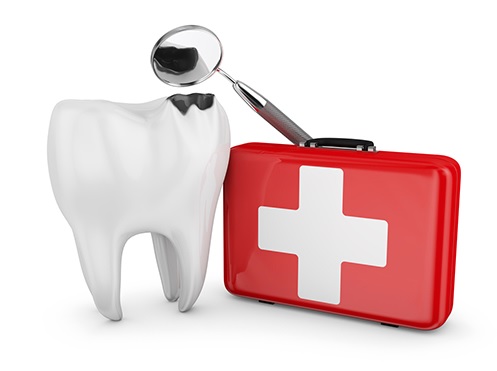
Explain the problem when seeking care
Contact a dentist promptly for a knocked-out tooth, dental injury, significant pain, swelling or a lost restoration causing symptoms. Describe what happened, when it started and whether symptoms are getting worse. Ask for advice on the urgency of assessment.
Dental emergencies do not always occur during clinic hours. Contact the practice for current availability; this article does not promise a 24-hour service or an immediate appointment.
Know when medical help is needed
Call 000 for difficulty breathing, severe uncontrolled bleeding or a serious injury requiring emergency medical help. Spreading facial or neck swelling, difficulty swallowing or feeling seriously unwell also requires urgent assessment. Do not wait for a routine dental booking if severe symptoms develop.
A knocked-out permanent tooth needs urgent dental attention. Handle it by the crown, avoid scrubbing the root and seek immediate advice. A baby tooth should not be put back into its socket.
Understand the treatment plan
Urgent care begins with assessment and may involve stabilising the problem before further treatment. Tell the practitioner about medicines, allergies and medical conditions. Ask what the proposed treatment is intended to address and what follow-up is needed.
Confirm fees and any additional treatment estimate. If symptoms persist or worsen after care, use the contact instructions provided rather than assuming the issue has resolved.
Related articles
- Dental Implant Costs: Understanding the Treatment Plan
- Wisdom Tooth Removal: Assessment and Recovery
- Sydney CBD Dental Visits: Services and Planning
This article provides general information only. An examination is needed to assess your circumstances and suitability for treatment. All dental treatment carries risks, and results vary between individuals.