

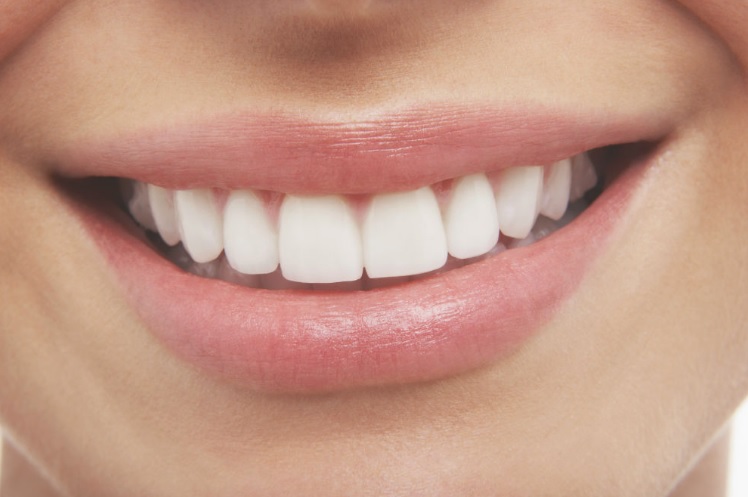
Images are included for general illustration and do not establish or predict an individual treatment outcome.
Assessment before whitening
The dentist examines your mouth, discusses the cause of discolouration and checks existing restorations. Problems such as decay or gum disease may need attention first. Explain previous sensitivity and your expectations so the dentist can advise whether whitening is appropriate.
Natural variation in colour does not require correction. Ask about the likely limits of treatment and the option of doing nothing.
Follow the agreed treatment plan
In-clinic treatment is applied by the dental practitioner. A supervised take-home system uses prescribed materials and instructions for use. Ask how much product to use, for how long and when to stop or seek advice. Do not extend exposure or combine products on your own.
Arrange any recommended review and report significant sensitivity or soft-tissue irritation. The final colour and how long it lasts vary between people. A single session or named system does not guarantee a result.
Consider risks and alternatives
Whitening can cause tooth sensitivity and irritation or chemical burns to the gums and other soft tissues. The degree and duration of colour change vary. Fillings, crowns and veneers do not whiten with natural teeth, so a mismatch may become more noticeable.
A dental assessment helps identify the cause of discolouration and whether whitening is appropriate. Discuss alternatives, including leaving your natural colour unchanged. Follow the prescribed product instructions and contact your dentist about significant or persistent symptoms.
Related articles
- Tooth Discolouration: Causes and Assessment
- Whitening Options: In-Clinic and Take-Home Treatment
- Teeth Whitening Costs: Comparing Inclusions
This article provides general information only. An examination is needed to assess your circumstances and suitability for treatment. All dental treatment carries risks, and results vary between individuals.