
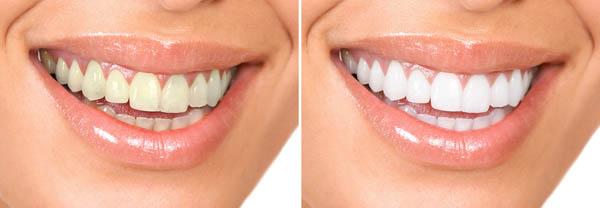
Images are included for general illustration and do not establish or predict an individual treatment outcome.

Understand your starting point
Natural tooth colour varies. Stains on the surface and colour changes within a tooth may have different causes and respond differently to treatment. A new colour change, especially in one tooth or after an injury, needs assessment rather than an assumption that whitening is the answer.
Tell the dentist about sensitivity, previous dental work and any products you have already used. Discuss your medical circumstances, including pregnancy or breastfeeding, before considering elective whitening.
Ask what change is realistic
Dentist-supervised options may include treatment in the clinic or a prescribed take-home system. The choice depends on your teeth and the proposed product. Neither method guarantees a particular shade or lasting result.
Ask about the treatment sequence, instructions and follow-up. Existing restorations may remain a different colour, and replacing sound restorations is a separate decision with its own risks and cost. Whitening is optional and does not substitute for daily oral care.
Know the possible side effects
Whitening can cause tooth sensitivity and irritation or chemical burns to the gums and other soft tissues. The degree and duration of colour change vary. Fillings, crowns and veneers do not whiten with natural teeth, so a mismatch may become more noticeable.
A dental assessment helps identify the cause of discolouration and whether whitening is appropriate. Discuss alternatives, including leaving your natural colour unchanged. Follow the prescribed product instructions and contact your dentist about significant or persistent symptoms.
Related articles
- Tooth Discolouration: Causes and Assessment
- Whitening Options: In-Clinic and Take-Home Treatment
- Teeth Whitening: Assessment, Options and Risks
This article provides general information only. An examination is needed to assess your circumstances and suitability for treatment. All dental treatment carries risks, and results vary between individuals.