
Understanding tooth colour
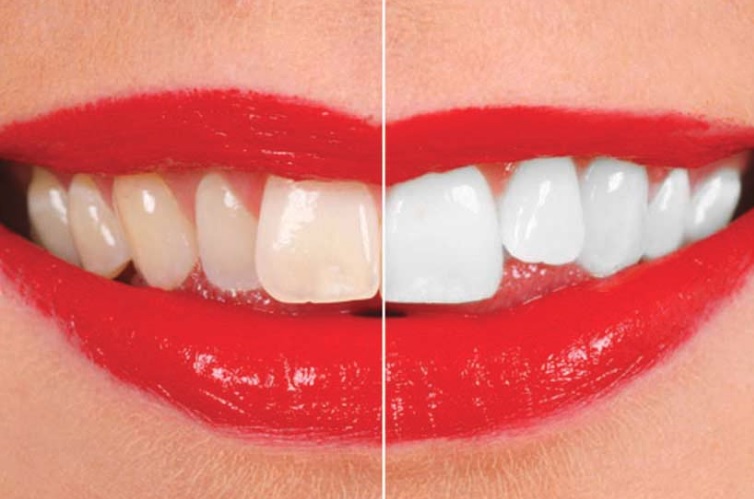
Natural tooth colour varies and changes over time. Whiter teeth are not necessarily healthier teeth. Whitening is optional, and deciding against it is reasonable when there is no dental problem requiring care.
Staining, changes within a tooth, previous injury and restorations can affect colour in different ways. A dentist can assess the cause before discussing whether whitening is appropriate.
Whitening methods
In-chair whitening is applied in a dental setting. A dentist-prescribed take-home system usually involves trays and gel used according to individual instructions. The choice and duration depend on your assessment and the product used.
Whitening toothpaste mainly addresses surface stains. Retail strips, gels and other products differ, and using more product or leaving it on longer is not a substitute for assessment. Ask a dentist before combining methods.
What whitening can and cannot change
Whitening acts on natural teeth. It does not lighten crowns, veneers or tooth-coloured fillings, so a colour mismatch may become more noticeable. Different stains respond differently, and an exact final shade cannot be promised.
Ask about existing restorations before starting. Replacing otherwise serviceable dental work solely to match a new colour involves separate risks and costs and should not be treated as an automatic next step.
Risks and recovery
Sensitivity can occur and may be substantial. Gel contacting the gums or other soft tissues can cause irritation or chemical burns. Stop using the product and seek advice if you develop significant pain, burning or persistent symptoms.
Follow the supplied quantity, application and timing instructions. Do not increase the strength or frequency yourself. Discuss existing sensitivity and oral health problems before treatment. Your dentist can explain whether treatment should be delayed and how side effects would be managed.
Alternatives and ongoing care
Depending on the cause, professional stain removal or treatment of an underlying dental problem may be more appropriate. No cosmetic treatment is also an option. More invasive cosmetic procedures should not be presented as a necessary response if whitening is unsuitable.
Continue ordinary oral care and dental reviews. Colour can change again, and repeat whitening should be discussed rather than assumed to be needed on a fixed schedule. Ask Sydney CBD Dentistry about the methods currently offered and what assessment and follow-up involve.
Follow product-specific instructions
For take-home whitening, ask the dental practitioner to explain the amount of gel, wear time and treatment schedule for the prescribed product. Increasing the strength or application time yourself can increase harm. Contact the practitioner if you develop significant sensitivity or gum irritation.
Further reading
Australian Dental Association: teeth whitening provides general patient information about this treatment. Discuss how it applies to your circumstances with your dentist.
Related articles
This article provides general information only. An examination is needed to assess your circumstances and suitability for treatment. All dental treatment carries risks, and results vary between individuals.