
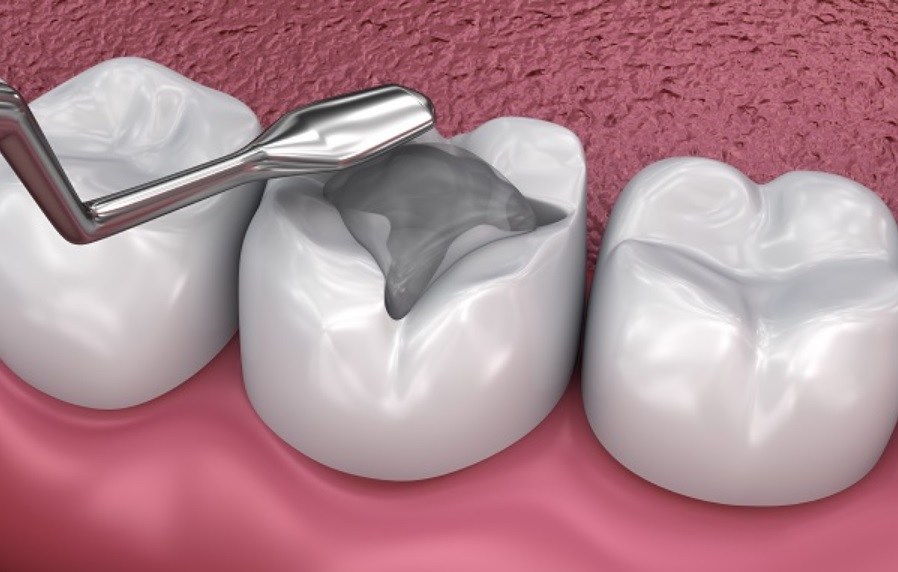
Images are included for general illustration and do not establish or predict an individual treatment outcome.
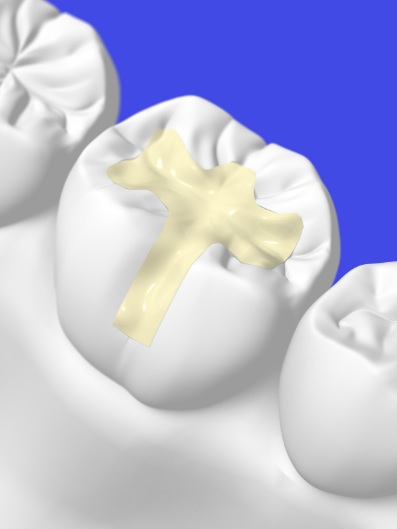
Assess the tooth before selecting a material
A filling may be used to restore a tooth affected by decay or damage. The amount and position of missing structure, the bite and the condition of the remaining tooth influence the options. Not every early change needs drilling, and not every damaged tooth can be managed with a filling.
Ask what the examination shows and whether imaging or other tests are indicated. Symptoms and colour changes alone do not establish the extent of decay.
Discuss the available approaches
Composite resin and glass ionomer are examples of materials used for selected restorations. A larger area may sometimes be restored with an inlay, onlay or crown. The choice depends on the clinical situation rather than a rule that one material is always best.
Ask about tooth preparation, appearance, expected limitations and cost. Risks can include sensitivity, wear, fracture, loosening and further decay. A deeply affected tooth may need additional treatment, including root canal treatment.
Plan ongoing care
No restoration has a guaranteed lifespan. Cleaning, reviews and the forces on the tooth affect maintenance needs. Ask about alternatives and what to do if discomfort or a change in the bite persists after treatment.
Related articles
- Comparing Dental Clinics: Practical Questions
- Preparing Questions for Your Dental Appointment
- Early Dental Symptoms: When to Arrange an Assessment
This article provides general information only. An examination is needed to assess your circumstances and suitability for treatment. All dental treatment carries risks, and results vary between individuals.