
Invisalign Costs: What a Treatment Quote Should Explain
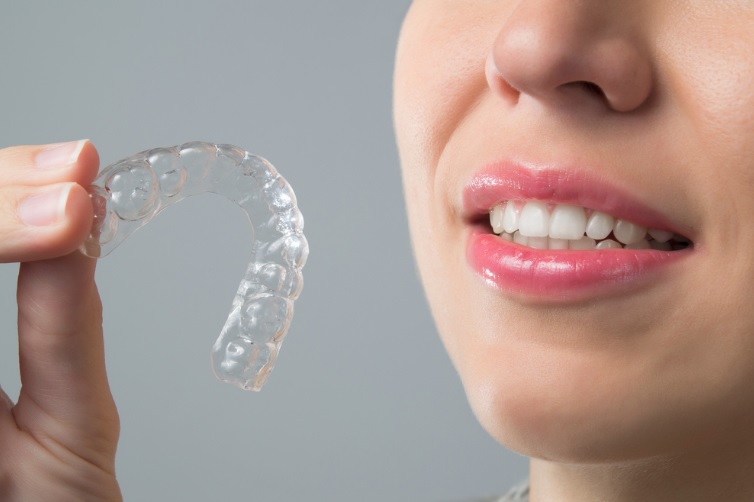
22 May 2018 Images are included for general illustration and do not establish or predict an individual treatment outcome. Start with orthodontic assessment Invisalign is one brand of clear aligner treatment. Suitability depends on the teeth, gums, bite and movements required. Ask whether aligners, fixed appliances, referral or no treatment are appropriate options. A digital plan illustrates intended movements but cannot guarantee the final result. Ask what limitations and alternatives apply in your case. Check the scope of the estimate Confirm whether records, scans, aligners, reviews, attachments, refinements and retainers are included. Ask about replacement appliances, missed appointments and circumstances requiring additional treatment or fees. Treatment length and complexity vary. Do not rely on a past advertised starting price or assume that every case fits the same package. Check any insurance benefit separately. Understand risks and ongoing care Possible risks include soreness, decay if cleaning is inadequate, gum problems, changes to roots or bite and relapse. Wearing and caring for appliances as directed and attending reviews are important, but do not guarantee a particular outcome. Ask about retention and consider a second opinion if you are uncertain. Related articles Choosing Dental Care in Sydney: An Informed Approach Dental Emergencies: Getting the Right Assessment Finding No-Gap Dental Information You Can Rely On This article provides general information only. An examination is needed to assess your circumstances and suitability for treatment. All dental treatment carries risks, and results vary between individuals.
Clear Aligners: Daily Wear, Cleaning and Review
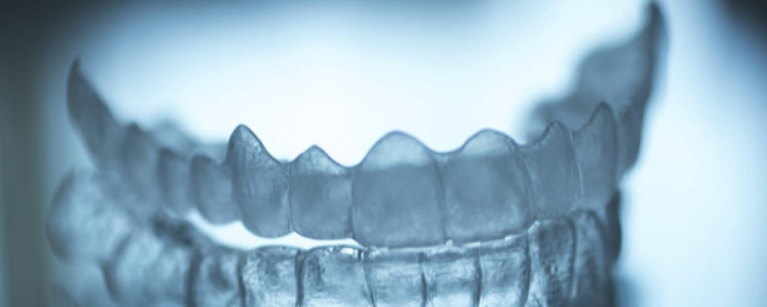
18 May 2018 Images are included for general illustration and do not establish or predict an individual treatment outcome. Follow your prescribed sequence Clear aligners are made for a planned sequence of tooth movements. Wear and change them according to your treating clinician’s instructions. Do not skip stages or change the schedule yourself because a tray feels loose or treatment seems slower than expected. Sydney CBD Dentistry offers three clear aligner systems: Invisalign, Spark and Angel Aligner. Daily wear and cleaning are similar for all three, and you can compare them on our clear aligners page. Ask what to do if an aligner is lost, damaged or no longer fits. The appropriate next step depends on your stage of treatment. Contact the practice rather than forcing an appliance into place. Make cleaning part of the routine Remove aligners for meals and drinks other than water as instructed. Clean your teeth and the appliances using the method recommended by your clinician. Sugary or acidic drinks trapped against teeth can contribute to damage. Removable trays do not eliminate the risk of decay or gum problems. Attend reviews so the clinician can check oral health and progress. Tell them about persistent discomfort, gum changes or fitting problems. Discuss retainers before active treatment ends, including cleaning, replacement and what to do if a retainer breaks. Keep expectations individual Orthodontic treatment can cause soreness and irritation. Other risks include decay or white marks, gum problems, changes to tooth roots and unwanted tooth movement. Teeth may move again after treatment. Ask which risks apply to your mouth, how they will be monitored and what retention will involve. Discuss suitable alternatives, including different appliances or no treatment where appropriate. If extraction, enamel reduction or another irreversible procedure is proposed, ask why it is needed and consider a second opinion from an appropriately qualified dental practitioner before deciding. Related articles Clear Aligner Treatment: Planning and Follow-Up Clear Aligners and Braces: Comparing Your Options Orthodontic Treatment: Assessment to Retention This article provides general information only. An examination is needed to assess your circumstances and suitability for treatment. All dental treatment carries risks, and results vary between individuals.
Choosing a Clinician for Clear Aligner Treatment
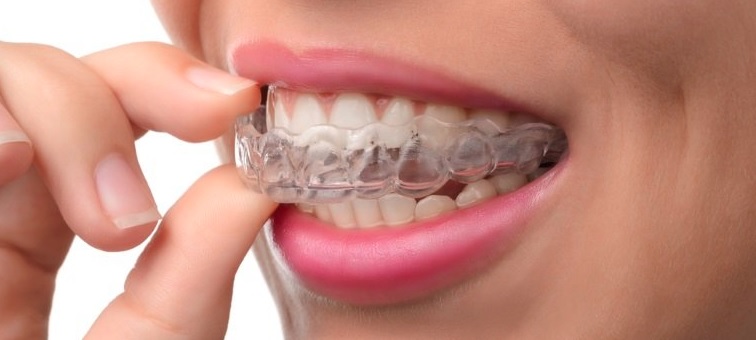
15 May 2018 Images are included for general illustration and do not establish or predict an individual treatment outcome. Focus on assessment and responsibility Before choosing an aligner provider, ask who will examine your teeth and gums, plan treatment and supervise progress. Check the practitioner’s registration through Ahpra’s public register. A brand provider label or marketing description is not a substitute for understanding the clinician’s role or your individual needs. At Sydney CBD Dentistry we offer Invisalign, Spark and Angel Aligner, and recommend a system only after assessing your teeth and bite. Compare the three systems. Some general dentists provide orthodontic care, while orthodontists have specialist registration. Ask whether your case would benefit from specialist assessment. This article does not claim that Sydney CBD Dentistry has an orthodontist on staff or holds a particular provider tier. Clarify how progress will be reviewed Ask which records and imaging are needed and how appointments will monitor tooth movement, gum health and appliance fit. A digital plan is a planning aid, not a promise of the final result. Find out whom to contact if an aligner does not fit or you develop unexpected symptoms. Request the full treatment scope, expected costs, refinement arrangements and retention plan in writing. You should be able to ask questions and consider alternatives before committing to treatment. Understand limitations and risks Orthodontic treatment can cause soreness and irritation. Other risks include decay or white marks, gum problems, changes to tooth roots and unwanted tooth movement. Teeth may move again after treatment. Ask which risks apply to your mouth, how they will be monitored and what retention will involve. Discuss suitable alternatives, including different appliances or no treatment where appropriate. If extraction, enamel reduction or another irreversible procedure is proposed, ask why it is needed and consider a second opinion from an appropriately qualified dental practitioner before deciding. Related articles Clear Aligners and Braces: Comparing Your Options Clear Aligner Treatment: Planning and Follow-Up Orthodontic Assessment: Teeth, Bite and Treatment Options This article provides general information only. An examination is needed to assess your circumstances and suitability for treatment. All dental treatment carries risks, and results vary between individuals.
Clear Aligners and Braces: Comparing Your Options
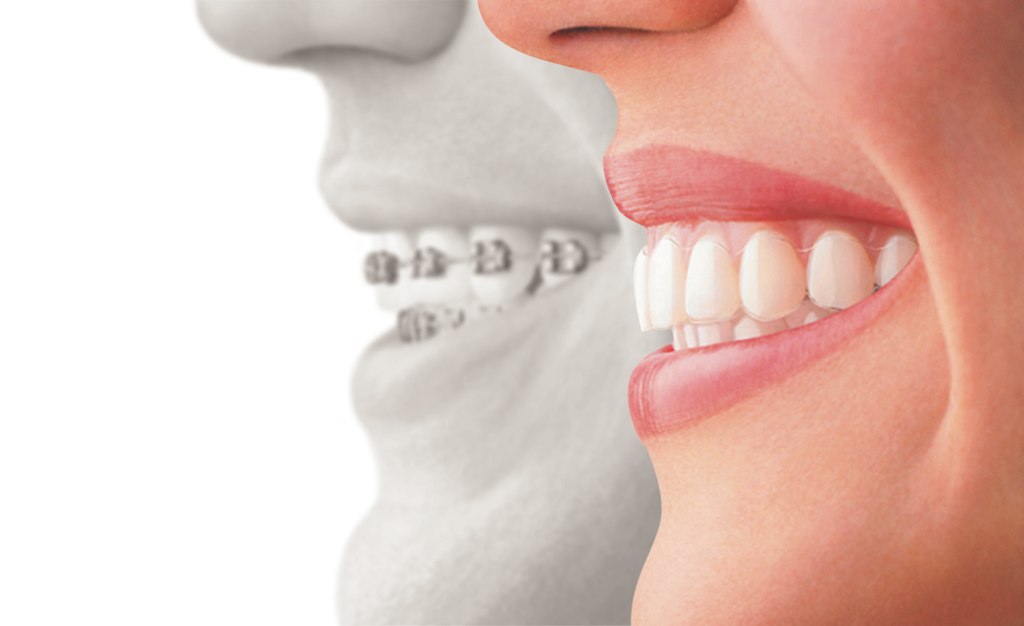
18 April 2017 Images are included for general illustration and do not establish or predict an individual treatment outcome. Different appliances, individual treatment plans Fixed braces use brackets and wires attached to the teeth. Clear aligners use a sequence of removable trays. Invisalign is one brand of clear aligner. Both approaches aim to move teeth according to a clinical plan; the appropriate choice depends on the teeth, bite and movements needed. If you are leaning towards aligners, see how Invisalign, Spark and Angel Aligner compare on our clear aligners in Sydney CBD page. Aligners are clear but not invisible, and their removability brings responsibilities. Braces and aligners each require cleaning and regular review. Neither should be selected solely from photographs or advertising. Ask what the plan requires of you Discuss wear instructions, cleaning, eating and appointment frequency. Some aligner plans involve attachments on teeth or other components. Ask whether any preliminary dental care is required and how the clinician will check that treatment is progressing as intended. Treatment time varies. Additional adjustments or aligners may be needed, and retainers are usually part of ongoing care. Ask how these are included in the estimate and what happens if the planned movements are not achieved. Compare risks and alternatives Orthodontic treatment can cause soreness and irritation. Other risks include decay or white marks, gum problems, changes to tooth roots and unwanted tooth movement. Teeth may move again after treatment. Ask which risks apply to your mouth, how they will be monitored and what retention will involve. Discuss suitable alternatives, including different appliances or no treatment where appropriate. If extraction, enamel reduction or another irreversible procedure is proposed, ask why it is needed and consider a second opinion from an appropriately qualified dental practitioner before deciding. Related articles Clear Aligners: Daily Wear, Cleaning and Review Adult Braces: Suitability and Practical Considerations Orthodontic Treatment: Assessment to Retention This article provides general information only. An examination is needed to assess your circumstances and suitability for treatment. All dental treatment carries risks, and results vary between individuals.