Dental Veneers: Materials, Risks and Maintenance

3 May 2019 What veneers do Veneers are coverings bonded to the front surfaces of teeth. They can change a tooth's visible shape or colour, but they do not move its root or treat underlying decay or gum disease. Natural variation in appearance does not require a veneer. An examination is needed to consider the condition of each tooth, the bite and the amount of tooth structure that would need to be altered. A veneer is not suitable for every tooth or every person. Porcelain and composite materials Porcelain veneers are made outside the mouth before they are bonded to prepared teeth. Composite veneers use tooth-coloured resin, often shaped directly on the tooth. The material, preparation and number of appointments depend on the plan. Composite may be repairable in some situations, but neither material should be described as maintenance-free. Discuss the reasons for a particular recommendation rather than choosing from photographs or an assumed lifespan. Risks and limitations Veneers may chip, crack, wear, stain or become loose. Decay can still develop around a restored tooth. The result may differ from what you expected, and adjustment, repair or replacement may be needed. Preparation can remove enamel permanently. Sensitivity or discomfort may occur, and the dentist should explain any additional risks relevant to the tooth and the proposed preparation. Do not assume that a composite veneer can later be removed without affecting the tooth. How long do veneers last? There is no single replacement timetable that applies to everyone. Material, bite forces, grinding, oral hygiene and the condition of the underlying tooth affect performance. A veneer can require attention sooner than anticipated. Have a loose, cracked or uncomfortable veneer assessed. A change in the bite, persistent sensitivity or an area that traps food also warrants a review. Do not try to glue a veneer back yourself. Care and alternatives Continue brushing with fluoride toothpaste and cleaning between teeth. Avoid using teeth to open packaging or biting hard objects. Attend reviews at an interval agreed with your dentist, and discuss grinding if it is relevant to you. Depending on the concern, alternatives can include no cosmetic treatment, monitoring, whitening, a limited repair or orthodontic assessment. Each option has different limitations. Ask how much healthy tissue would be changed and what future maintenance involves. For invasive or irreversible treatment, you may wish to seek a second opinion from an appropriately qualified health practitioner before deciding. Related articles How long veneers may last Veneer benefits and limitations Composite veneers and bonding This article provides general information only. An examination is needed to assess your circumstances and suitability for treatment. All dental treatment carries risks, and results vary between individuals.
Professional Whitening: What the Process Involves
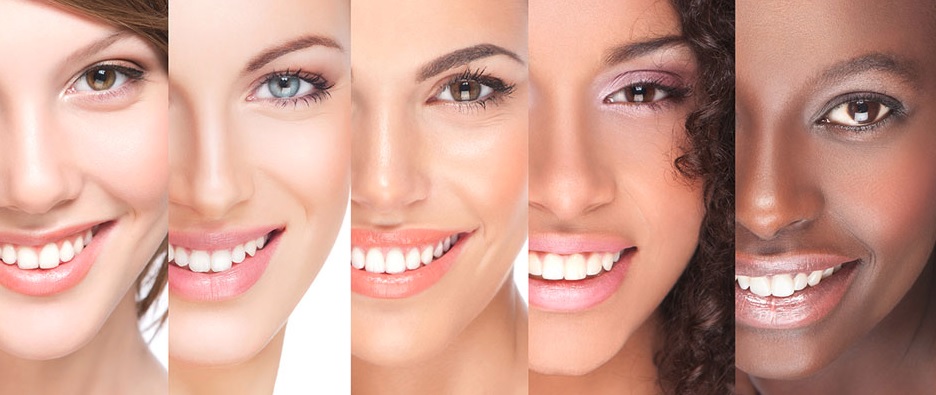
18 April 2019 Images are included for general illustration and do not establish or predict an individual treatment outcome. Assessment before whitening The dentist examines your mouth, discusses the cause of discolouration and checks existing restorations. Problems such as decay or gum disease may need attention first. Explain previous sensitivity and your expectations so the dentist can advise whether whitening is appropriate. Natural variation in colour does not require correction. Ask about the likely limits of treatment and the option of doing nothing. Follow the agreed treatment plan In-clinic treatment is applied by the dental practitioner. A supervised take-home system uses prescribed materials and instructions for use. Ask how much product to use, for how long and when to stop or seek advice. Do not extend exposure or combine products on your own. Arrange any recommended review and report significant sensitivity or soft-tissue irritation. The final colour and how long it lasts vary between people. A single session or named system does not guarantee a result. Consider risks and alternatives Whitening can cause tooth sensitivity and irritation or chemical burns to the gums and other soft tissues. The degree and duration of colour change vary. Fillings, crowns and veneers do not whiten with natural teeth, so a mismatch may become more noticeable. A dental assessment helps identify the cause of discolouration and whether whitening is appropriate. Discuss alternatives, including leaving your natural colour unchanged. Follow the prescribed product instructions and contact your dentist about significant or persistent symptoms. Related articles Tooth Discolouration: Causes and Assessment Whitening Options: In-Clinic and Take-Home Treatment Teeth Whitening Costs: Comparing Inclusions This article provides general information only. An examination is needed to assess your circumstances and suitability for treatment. All dental treatment carries risks, and results vary between individuals.
Teeth Whitening Costs: Comparing Inclusions
15 April 2019 Images are included for general illustration and do not establish or predict an individual treatment outcome. Compare the same treatment scope A whitening estimate may cover a clinic session, a supervised take-home course or another agreed plan. Ask what assessment, trays, materials and reviews are included. A quoted starting price may not cover every stage or additional dental care identified at examination. Suitability should be established before choosing by price. Ask what cause of discolouration the treatment is intended to address and whether the likely limitations fit your expectations. Request current information Contact Sydney CBD Dentistry for current fees and available options. Historical offers and price ranges are not a current quote. Do not assume that treatment is covered by your health fund; check directly using the proposed item numbers. Ask about follow-up for sensitivity, replacement trays and any later whitening. Repeated treatment should follow clinical advice rather than a fixed promotional schedule. Existing restorations will not change colour in the same way and any replacement is a separate decision. Include the risks in your decision Whitening can cause tooth sensitivity and irritation or chemical burns to the gums and other soft tissues. The degree and duration of colour change vary. Fillings, crowns and veneers do not whiten with natural teeth, so a mismatch may become more noticeable. A dental assessment helps identify the cause of discolouration and whether whitening is appropriate. Discuss alternatives, including leaving your natural colour unchanged. Follow the prescribed product instructions and contact your dentist about significant or persistent symptoms. Related articles Whitening Options: In-Clinic and Take-Home Treatment Professional Whitening: What the Process Involves Finding Teeth Whitening Care: Questions to Ask This article provides general information only. An examination is needed to assess your circumstances and suitability for treatment. All dental treatment carries risks, and results vary between individuals.
Cosmetic Dentistry: Comparing Different Approaches
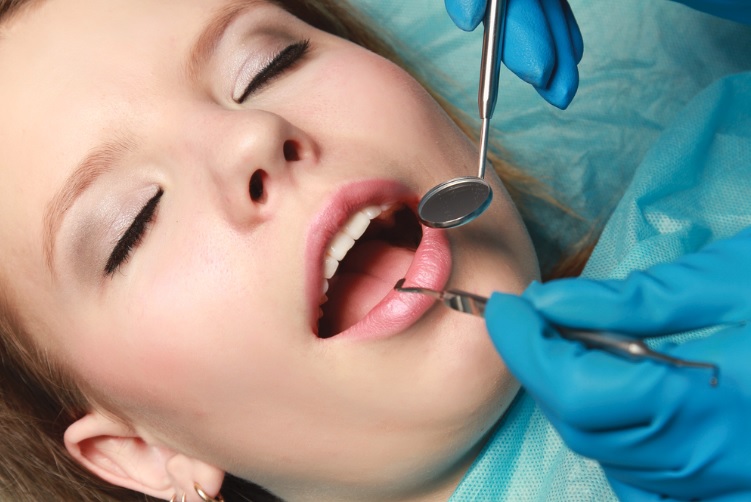
18 February 2019 Images are included for general illustration and do not establish or predict an individual treatment outcome. Describe the change you are considering Cosmetic dental treatment addresses an appearance preference and is not automatically needed for a healthy mouth. Explain the concern and ask whether it represents normal variation, disease or damage. Keeping your natural appearance unchanged may be appropriate. Assessment of the teeth, gums and bite comes before a procedure recommendation. Cosmetic treatment should not be presented as a guarantee of better confidence, relationships or wellbeing. Compare the implications of each option Whitening changes the colour of natural teeth but not existing restorations. Bonding adds restorative material in selected areas. Veneers cover a tooth surface and may involve enamel removal. Orthodontic treatment moves teeth and requires retention. These approaches are not interchangeable. Ask about limitations, appointments, recovery, maintenance and the possibility of further treatment. Understand the risks Whitening can cause sensitivity and soft-tissue irritation. Bonding and veneers can chip or detach; veneers may involve irreversible preparation. Orthodontic care can involve soreness, gum or root changes and relapse. Discuss procedure-specific risks and alternatives, and consider a second opinion before invasive or irreversible treatment. Related articles Scale and Clean: Purpose, Process and Follow-Up Preparing for a Cosmetic Dental Consultation Tooth Caps: Benefits, Limitations and Alternatives This article provides general information only. An examination is needed to assess your circumstances and suitability for treatment. All dental treatment carries risks, and results vary between individuals.
Teeth Whitening Options: Risks and Considerations
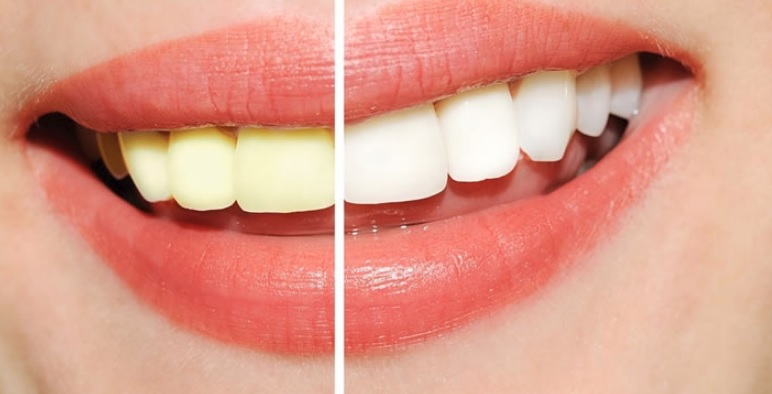
5 June 2018 Tooth colour can change for several reasons. Whitening is one option for changing the colour of natural teeth, but it is not necessary for dental health and it will not suit everyone. A dental assessment can help distinguish surface staining from changes within a tooth. Options to discuss Dentist-supervised whitening may use a treatment applied at the practice or trays used at home according to instructions. Shop-bought products vary in their ingredients and how they are used. The appropriate approach depends on your teeth, existing dental work and the cause of the discolouration. Whitening does not change the colour of crowns, veneers or tooth-coloured fillings. This can leave a colour difference between natural teeth and restorations. Ask about this before beginning treatment, particularly if you have visible restorations. Risks and limitations Sensitivity and gum irritation can occur. Using more product or leaving it on for longer than directed can increase problems. Discuss existing sensitivity, gum disease, decay or a cracked tooth before using whitening products. Do not keep treating a painful tooth without advice. The amount of colour change and how long it remains vary. Whitening cannot promise a particular shade or a permanent result. Ask what follow-up might be needed and what to do if discomfort develops. Alternatives and deciding whether to proceed A professional clean may address some surface staining; it has a different purpose from bleaching. Keeping your natural tooth colour is also an option. Veneers involve different risks and may require removal of tooth structure, so they should not be treated as a routine substitute for whitening. At an appointment, explain what you hope to change and ask about the likely limitations, risks and total proposed treatment. Sydney CBD Dentistry can discuss whether an examination is appropriate for your concern. You can take time to consider the information before deciding. Related articles Professional teeth whitening Teeth whitening in Sydney What are veneers? This article provides general information only. An examination is needed to assess your circumstances and suitability for treatment. All dental treatment carries risks, and results vary between individuals.
Cosmetic Dentistry: Options and Informed Decisions

21 August 2017 Understanding cosmetic dentistry Cosmetic dentistry describes treatment intended to change the appearance of teeth. It is not a recognised dental specialty. Normal differences in tooth colour, shape and spacing do not by themselves mean that treatment is needed. Choosing not to have cosmetic treatment is a valid option. A consultation gives you an opportunity to discuss a concern without committing to treatment. The dentist should distinguish an oral health problem that needs care from an elective change in appearance. Assessment comes before a treatment plan An examination considers the teeth, gums, existing restorations and bite. Your medical history, medicines and previous dental treatment also matter. Decay or gum disease may need care before elective procedures are considered. Explain what you are considering and ask what can realistically be changed. Photographs, scans or examples cannot promise your result. Ask how the proposed treatment affects healthy tooth tissue and what continuing care it may require. Options have different purposes Whitening changes the colour of natural teeth but does not change the colour of fillings, crowns or veneers. Bonding adds tooth-coloured material. Veneers cover the front of teeth and may require permanent enamel removal. These options are not interchangeable and do not suit everyone. Orthodontic treatment moves teeth and involves its own assessment, risks and ongoing retention. Crowns, bridges and implants have restorative roles and should not be presented as routine solutions to normal appearance. A dentist may recommend referral when the assessment or treatment falls outside their scope. Risks, recovery and maintenance Whitening can cause sensitivity and irritation or burns to soft tissues. Bonding and veneers can stain, chip, wear or require replacement. Tooth preparation may be irreversible. The risks and recovery of orthodontic or surgical treatment need a separate, procedure-specific discussion. Ask about discomfort, time away from usual activities, follow-up visits and signs of complications. Cosmetic work does not prevent decay or gum disease. Continuing oral care and professional review remain necessary. Alternatives and questions to take to a consultation Depending on the findings, options may include oral health care alone, stain removal, limited repair, orthodontic assessment, monitoring or no cosmetic treatment. More extensive treatment is not necessarily appropriate simply because it can produce a larger change. Request a written treatment plan explaining what is proposed, alternatives, maintenance and possible future replacement. Ask what the estimate includes without allowing a promotion or time pressure to determine your decision. For invasive or irreversible treatment, you may wish to seek a second opinion from an appropriately qualified health practitioner before deciding. Related articles Teeth whitening options Veneer maintenance and longevity Veneer considerations This article provides general information only. An examination is needed to assess your circumstances and suitability for treatment. All dental treatment carries risks, and results vary between individuals.
Teeth Whitening: Suitability and Limitations
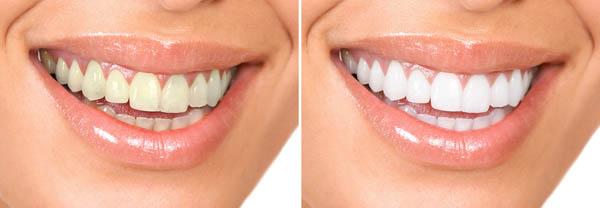
25 April 2017 Images are included for general illustration and do not establish or predict an individual treatment outcome. Understand your starting point Natural tooth colour varies. Stains on the surface and colour changes within a tooth may have different causes and respond differently to treatment. A new colour change, especially in one tooth or after an injury, needs assessment rather than an assumption that whitening is the answer. Tell the dentist about sensitivity, previous dental work and any products you have already used. Discuss your medical circumstances, including pregnancy or breastfeeding, before considering elective whitening. Ask what change is realistic Dentist-supervised options may include treatment in the clinic or a prescribed take-home system. The choice depends on your teeth and the proposed product. Neither method guarantees a particular shade or lasting result. Ask about the treatment sequence, instructions and follow-up. Existing restorations may remain a different colour, and replacing sound restorations is a separate decision with its own risks and cost. Whitening is optional and does not substitute for daily oral care. Know the possible side effects Whitening can cause tooth sensitivity and irritation or chemical burns to the gums and other soft tissues. The degree and duration of colour change vary. Fillings, crowns and veneers do not whiten with natural teeth, so a mismatch may become more noticeable. A dental assessment helps identify the cause of discolouration and whether whitening is appropriate. Discuss alternatives, including leaving your natural colour unchanged. Follow the prescribed product instructions and contact your dentist about significant or persistent symptoms. Related articles Tooth Discolouration: Causes and Assessment Whitening Options: In-Clinic and Take-Home Treatment Teeth Whitening: Assessment, Options and Risks This article provides general information only. An examination is needed to assess your circumstances and suitability for treatment. All dental treatment carries risks, and results vary between individuals.
Cosmetic Dental Care: Assessment Before Treatment

31 March 2017 Images are included for general illustration and do not establish or predict an individual treatment outcome. Start with your concerns and oral health Cosmetic dental care concerns changes to the appearance of teeth. It is not automatically needed for a healthy mouth. Describe the change you are considering and ask whether it reflects a dental problem, normal variation or a preference that may be left untreated. The dentist checks the teeth, gums and bite before discussing options. Decay, gum disease or other findings may need attention independently of any cosmetic goal. Understand the proposed changes Options might include whitening, limited composite bonding, veneers or orthodontic assessment, depending on the concern. These procedures act in different ways and have different implications for tooth structure and future care. Ask why one approach is being suggested over another. Discuss the expected limitations, recovery, costs and maintenance. Photographs or planning examples cannot predict your result or promise changes in confidence, relationships or wellbeing. You can choose no cosmetic treatment. Take time to decide Risks depend on the procedure. Whitening can cause sensitivity and gum irritation. Bonding or veneers can chip, detach or need replacement; veneers may require irreversible enamel removal. Orthodontic treatment can cause soreness, gum or root changes and relapse. Ask for the risks and recovery information specific to your plan. Ask for a written plan and an explanation of alternatives. Before invasive or irreversible treatment, consider a second opinion from an appropriately qualified dental practitioner. Related articles Cosmetic Dental Procedures: How Options Differ Cosmetic Dentistry: Options and Informed Decisions Cosmetic Dental Decisions: Goals and Alternatives This article provides general information only. An examination is needed to assess your circumstances and suitability for treatment. All dental treatment carries risks, and results vary between individuals.
Considering Veneers: Benefits, Limits and Future Care
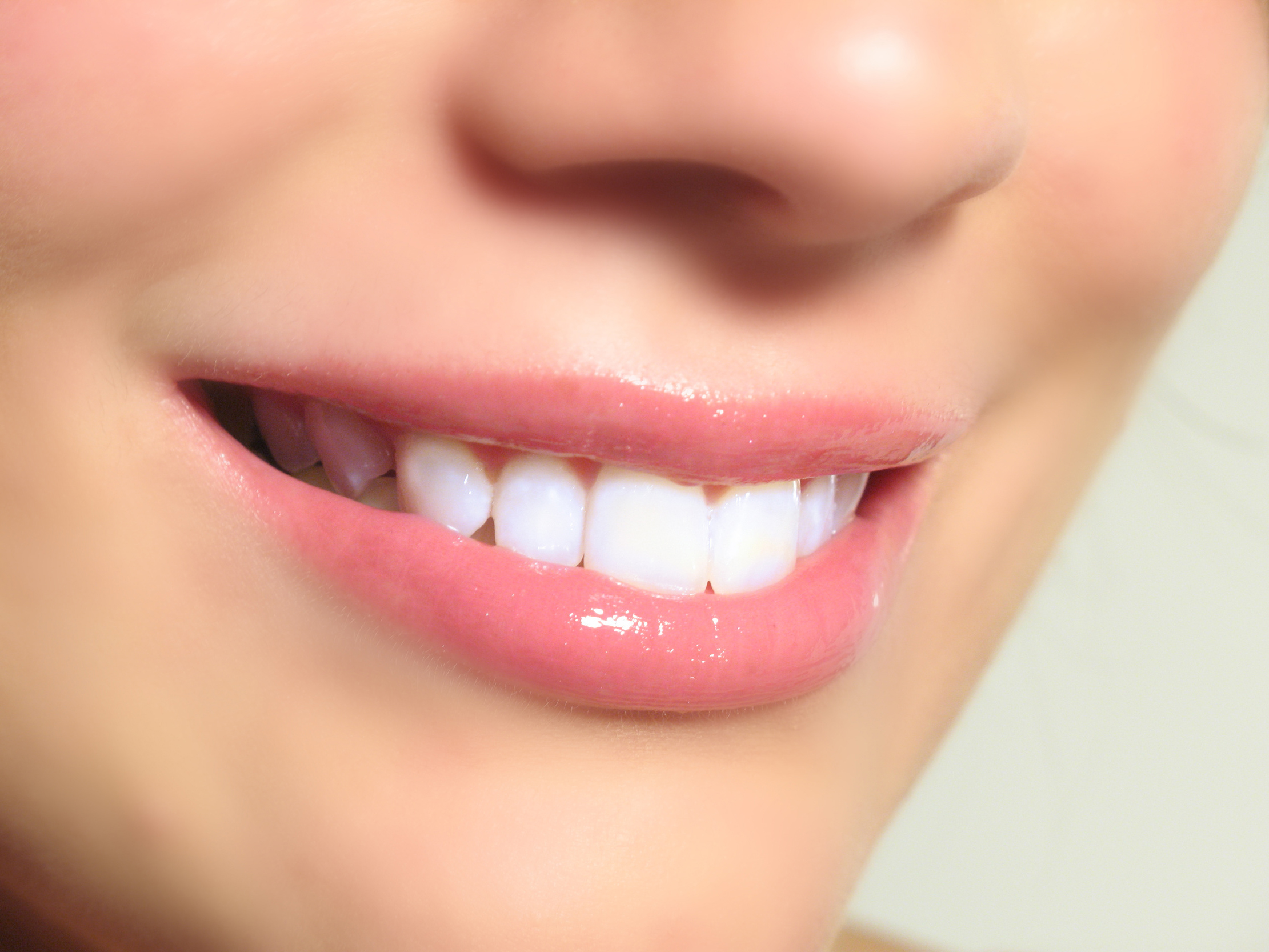
24 March 2017 Images are included for general illustration and do not establish or predict an individual treatment outcome. Decide what you want to change Veneers cover the front surface of a tooth with composite resin or ceramic. They may be considered for a particular shape, colour or surface concern after examination. They do not move the tooth or replace an assessment of the bite. Normal differences in tooth appearance do not necessarily need treatment. Ask the dentist to explain what veneers could and could not change in your case. A proposed number of veneers should have an individual rationale, rather than being determined only by a package. Consider the future commitment Ask how much tooth preparation is proposed and whether it can be avoided. Discuss the material, appointment sequence, temporary restorations and follow-up. Once enamel is removed it does not grow back, and a prepared tooth may continue to need a restoration. Veneers need cleaning and regular review. Repair or replacement can become necessary, so discuss future care and costs as well as the initial estimate. No particular lifespan or appearance is guaranteed. Understand risks and alternatives Veneers can involve irreversible removal of enamel. Risks include sensitivity, chipping, debonding, gum irritation, changes in the bite and a colour or shape that does not meet expectations. The underlying tooth can still develop decay, and further treatment or replacement may be needed. Discuss alternatives such as limited bonding, orthodontic assessment, whitening where suitable or keeping your teeth as they are. Before invasive or irreversible treatment, you may wish to seek a second opinion from an appropriately qualified dental practitioner. Related articles Dental Veneers: Materials, Risks and Maintenance Veneer Costs: What the Treatment Estimate Covers Veneers: Understanding Before-and-After Images This article provides general information only. An examination is needed to assess your circumstances and suitability for treatment. All dental treatment carries risks, and results vary between individuals.