
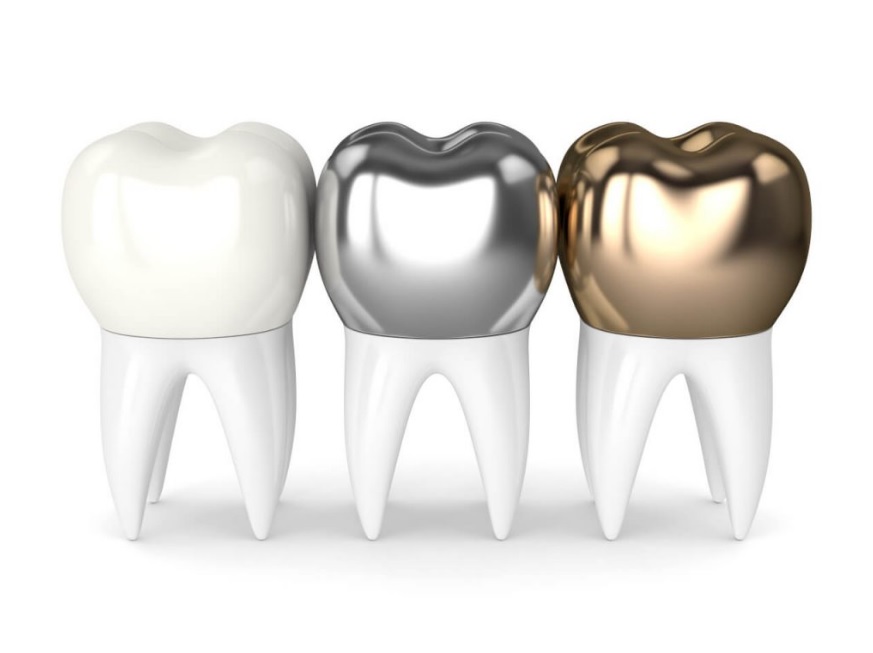
Images are included for general illustration and do not establish or predict an individual treatment outcome.
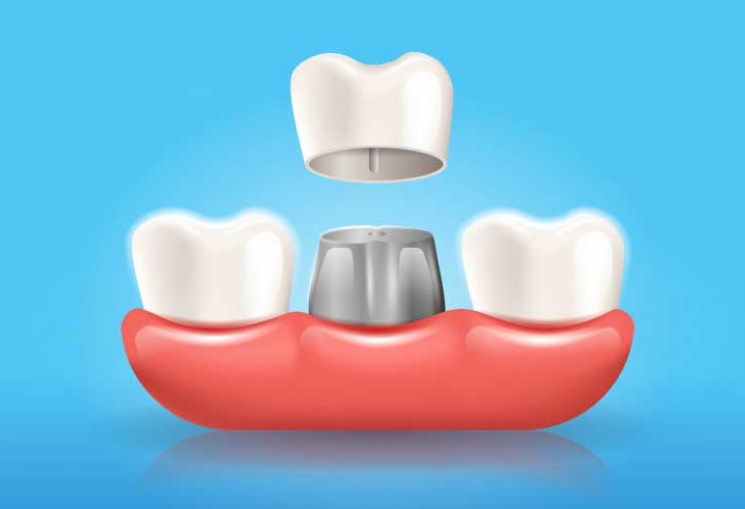
A crown is a restoration
A crown covers a prepared tooth or is attached to an implant component, depending on the treatment. On a natural tooth it may be considered when remaining structure needs restoration or protection. It is not a guarantee against future damage.
Assessment of the tooth, gums and bite helps determine suitability. A crown is not automatically necessary after every root canal procedure, and an implant crown involves a different process from tooth preparation.
Understand the planned steps
Ask about preparation, records or scans, temporary restoration if needed, fitting and reviews. Discuss materials, limitations and the alternatives to covering the tooth.
The dentist should explain how the restoration will be supported and cleaned. No crown can be promised to feel or look exactly like a natural tooth in every situation.
Consider risks and maintenance
Crowns involve preparation of the tooth, which can be irreversible. Risks include sensitivity, fracture, loosening, gum irritation, decay around the tooth and possible need for root canal treatment. Repair or replacement may be needed and no lifespan is guaranteed.
Ask about alternatives, expected recovery and future maintenance. Before invasive or irreversible treatment, you may wish to seek a second opinion from an appropriately qualified dental practitioner.
Related articles
- Tooth Caps: Benefits, Limitations and Alternatives
- Dental Crown Costs: Understanding the Full Estimate
- Scale and Clean: Purpose, Process and Follow-Up
This article provides general information only. An examination is needed to assess your circumstances and suitability for treatment. All dental treatment carries risks, and results vary between individuals.