

Images are included for general illustration and do not establish or predict an individual treatment outcome.
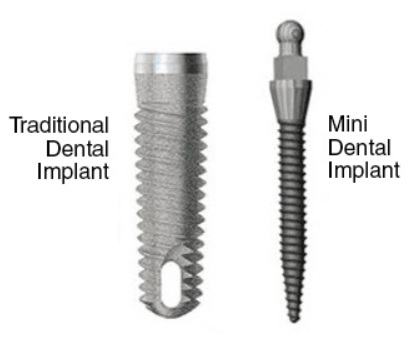
Compare the proposed use
Mini and standard implants differ in diameter, and systems can also differ in components and intended use. The relevant question is how a proposed system suits the available bone, bite and replacement teeth. Ask your clinician to explain the design and its limitations for your case.
A smaller implant should not be assumed to replace a standard implant in every situation or to make grafting unnecessary. Ask what alternatives were considered and what evidence supports the plan.
Consider cleaning and future repairs
Find out whether the teeth would be fixed or removable, how they connect to the implants, and what daily cleaning involves. Ask which attachments or other components may require maintenance and how replacements would be obtained.
Compare the whole treatment estimate, including the number of implants, the prosthesis, any additional procedures and review appointments. A lower component price does not establish a lower total cost. Suitability and the ability to maintain the restoration matter alongside fees.
Both options require informed consent
Implant surgery can cause pain, swelling, bleeding or infection. Other risks include failure to integrate with the bone and injury to nearby teeth, nerves or the sinus. Gum and bone problems or loose and damaged components can develop later. Ask which risks apply to your proposed treatment.
Discuss alternatives such as a suitable bridge or removable denture, and whether leaving the space under review is reasonable. Before invasive or irreversible treatment, you may wish to seek a second opinion from an appropriately qualified dental practitioner.
Related articles
- Mini Dental Implants: Questions About Suitability
- Replacing Several Teeth with Implant-Supported Teeth
- Is a Dental Implant Suitable for You?
This article provides general information only. An examination is needed to assess your circumstances and suitability for treatment. All dental treatment carries risks, and results vary between individuals.