
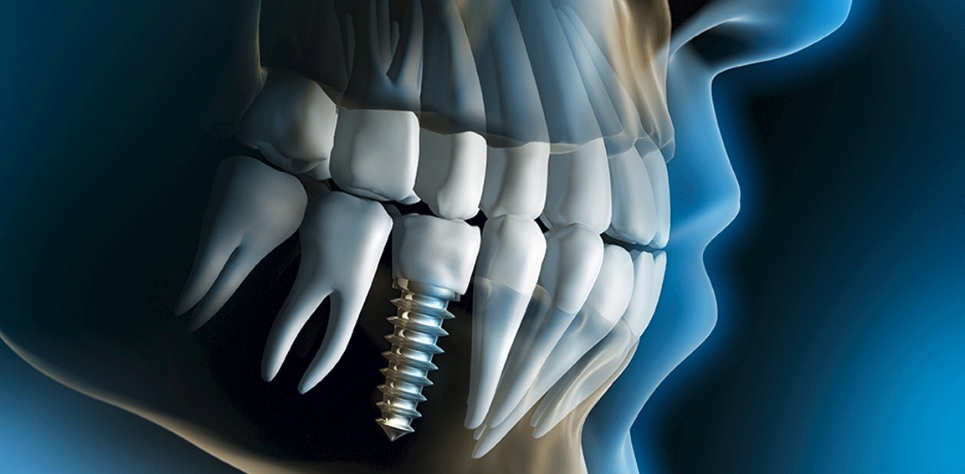
Images are included for general illustration and do not establish or predict an individual treatment outcome.
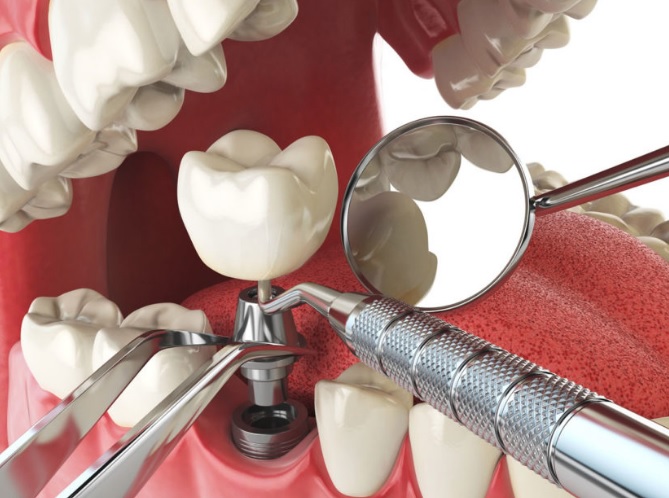
Plan for care after treatment
Implant treatment continues beyond fitting the replacement tooth. Ask how to clean the restoration and the gumline around it, including areas underneath a bridge or around denture attachments. Your dentist can demonstrate tools that suit the design and your ability to use them.
Regular review allows the clinician to assess tissues, bite and components. The interval depends on your circumstances. Do not assume that an implant cannot develop problems because it does not decay in the same way as a natural tooth.
Know what to report
Contact your dental provider if an implant or restoration feels loose, becomes painful, or if the surrounding gums swell or bleed. These changes need assessment. Do not try to tighten, glue or adjust implant components yourself.
The crown, screws or denture attachments can need maintenance independently of the implant. Lifespan varies; no fixed number of years or lifetime outcome is promised. Ask who will provide continuing care and how repairs would be arranged.
Consider this before starting
Implant surgery can cause pain, swelling, bleeding or infection. Other risks include failure to integrate with the bone and injury to nearby teeth, nerves or the sinus. Gum and bone problems or loose and damaged components can develop later. Ask which risks apply to your proposed treatment.
Discuss alternatives such as a suitable bridge or removable denture, and whether leaving the space under review is reasonable. Before invasive or irreversible treatment, you may wish to seek a second opinion from an appropriately qualified dental practitioner.
Related articles
- Considering Dental Implants: Benefits and Limits
- Understanding the Parts of a Dental Implant
- The Dental Implant Process: Stages and Timing
This article provides general information only. An examination is needed to assess your circumstances and suitability for treatment. All dental treatment carries risks, and results vary between individuals.