
Dental Crowns: Planning Treatment in Sydney CBD
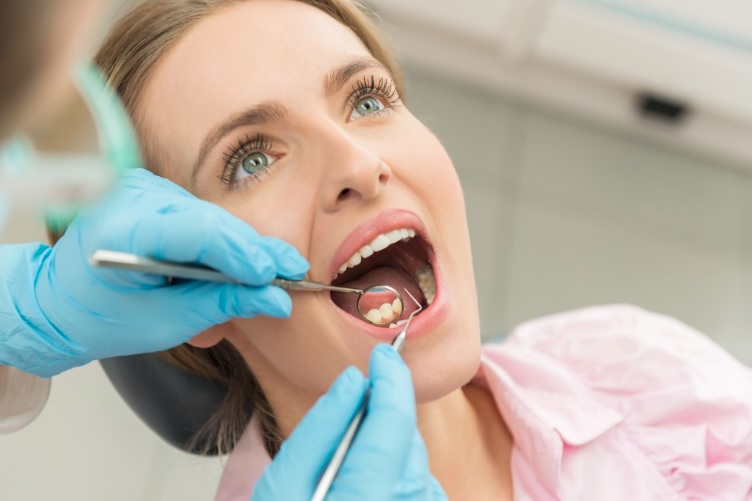
25 February 2019 Images are included for general illustration and do not establish or predict an individual treatment outcome. Start with the reason for treatment If a crown has been suggested, ask what problem it is intended to address. A tooth with substantial damage may need a different restoration from one with a small defect. Your dentist should explain the findings and the options available for that tooth. A crown is not required simply because you are getting older or because someone else has one. An individual assessment should guide the recommendation, including the condition of the gums and the amount of sound tooth remaining. Compare the proposed options Crowns can be made from different ceramic or metal-based materials. Ask why a particular material is being recommended, what tooth preparation it requires and how it relates to your bite. No material removes the need for ongoing care. Confirm how many appointments are expected and whether a temporary crown will be needed. Contact the practice for a current written treatment plan and an explanation of the fees and inclusions. Historical website offers should not be treated as a current quote or warranty. Understand the trade-offs Preparing a tooth for a crown usually removes tooth structure permanently. Possible problems include sensitivity, an uncomfortable bite, gum irritation, loosening, chipping and decay at the edge. Repair, replacement or other dental treatment may be needed later. Depending on the findings, a filling, partial-coverage restoration or monitoring may be an alternative. Ask what is likely to happen if you choose no treatment. Complex restorative care may involve referral to a prosthodontist. Your dentist should also explain aftercare and review arrangements. Before proceeding with invasive treatment, consider seeking a second opinion from an appropriately qualified dental practitioner. Planning recovery Ask whether you will have a temporary crown and what to do if it becomes loose. Discuss eating, cleaning and any time away from work before treatment. Contact your dentist if the bite feels uncomfortable or pain persists. Further reading Healthdirect: dental crown procedure provides general patient information about this treatment. Discuss how it applies to your circumstances with your dentist. Related articles Porcelain Crowns: Materials and Considerations CEREC and Laboratory Crowns: Comparing the Process Dental Crown Costs: Questions for Your Treatment Plan This article provides general information only. An examination is needed to assess your circumstances and suitability for treatment. All dental treatment carries risks, and results vary between individuals.
When Might Root Canal Treatment Be Needed?
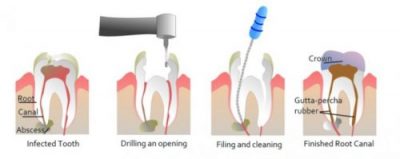
1 June 2018 Assessment of the dental pulp Root canal treatment may be considered when the soft tissue inside a tooth is irreversibly damaged or infected. Deep decay, a crack or an injury can affect this tissue. A dentist needs to assess the tooth before deciding whether this treatment is appropriate. Pain alone cannot establish that a root canal is needed. Similar symptoms can have different causes, and some affected teeth cause little discomfort. An examination, tests and X-rays may help the dentist explain what is happening. Symptoms to discuss Tell the dentist about ongoing toothache, temperature sensitivity, pain when biting, swelling or a change in tooth colour. Describe how long symptoms last and whether they are changing. Seek prompt advice for severe pain or swelling rather than waiting for a routine review. Call 000 or attend hospital for difficulty breathing or swallowing or rapidly developing swelling that affects these functions. An apparent reduction in pain does not establish that an infection has resolved. What treatment aims to do Treatment removes affected pulp and cleans and seals the canal spaces. A filling or crown is then needed to restore the tooth as appropriate. More than one appointment may be required, and some teeth need referral to an endodontist. Local anaesthetic is used to manage discomfort, but comfort and recovery vary. Tell the dentist if you are uncomfortable during treatment. Ask about temporary restorations, eating afterwards and when the final restoration will be completed. Risks and alternatives Complications can include persistent or recurrent infection, damage within the tooth, instrument separation or a need for further treatment. The tooth may still require extraction if it cannot be retained. Discuss its condition and expected prognosis without assuming that treatment guarantees its survival. Depending on the diagnosis, alternatives may include a different restorative approach or extraction. Leaving an infected tooth untreated can allow the problem to worsen. Ask why monitoring is or is not appropriate in your case. For invasive or irreversible treatment, you may wish to seek a second opinion from an appropriately qualified health practitioner before deciding. Obtain an individual plan explaining the stages, risks, alternatives and follow-up. Related articles Causes of pulp damage Root canal symptoms Extraction as a treatment option This article provides general information only. An examination is needed to assess your circumstances and suitability for treatment. All dental treatment carries risks, and results vary between individuals.
Choosing a Clinician for Dental Implant Assessment
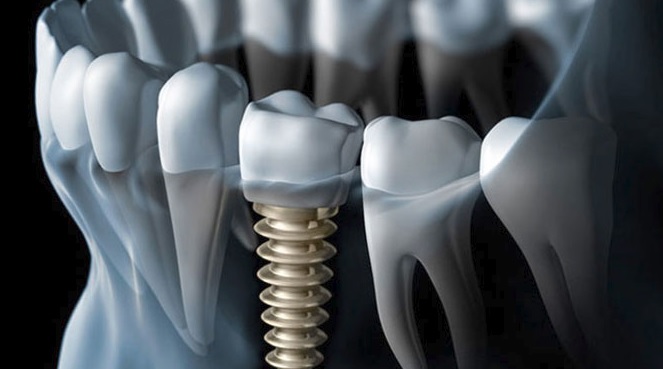
11 May 2018 Images are included for general illustration and do not establish or predict an individual treatment outcome. Ask who will provide each stage Implant treatment may involve more than one clinician. Ask who will assess you, place the implant, provide the replacement tooth and manage follow-up. Clarify whether a referral is proposed and where each appointment would take place. Check a practitioner’s registration through Ahpra’s public register. Ask about relevant training and experience with the proposed procedure. A website, equipment claim or patient review does not establish that a particular treatment is suitable for you. Look for a clear explanation You should have the opportunity to discuss the findings, available alternatives and uncertainties. Ask to see a written plan with costs and responsibilities for aftercare. Find out whom to contact if a problem develops between visits or after the restoration is fitted. Explain your medical history, medicines, smoking and any difficulty with daily cleaning. Ask how these affect planning. You can take time to consider a proposal and ask for clarification when terminology or an estimate is unclear. Discuss the decision before surgery Implant surgery can cause pain, swelling, bleeding or infection. Other risks include failure to integrate with the bone and injury to nearby teeth, nerves or the sinus. Gum and bone problems or loose and damaged components can develop later. Ask which risks apply to your proposed treatment. Discuss alternatives such as a suitable bridge or removable denture, and whether leaving the space under review is reasonable. Before invasive or irreversible treatment, you may wish to seek a second opinion from an appropriately qualified dental practitioner. Related articles Understanding the Parts of a Dental Implant The Dental Implant Process: Stages and Timing Dental Implant Costs: Weighing the Whole Decision This article provides general information only. An examination is needed to assess your circumstances and suitability for treatment. All dental treatment carries risks, and results vary between individuals.
Dental Implant Costs: Weighing the Whole Decision
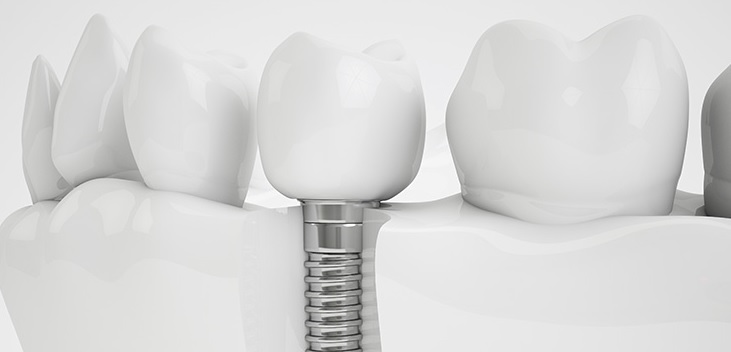
8 May 2018 Images are included for general illustration and do not establish or predict an individual treatment outcome. Cost is one part of the choice An implant decision involves your dental needs, health, preferences and finances. A higher price does not establish that a treatment is necessary or that its outcome will be better. Ask what the proposed implant is intended to achieve and how the alternatives compare in your circumstances. Discuss the consequences of delaying treatment and whether monitoring the space is reasonable. If there is a problem needing timely care, ask what can be managed now while you consider longer-term tooth replacement. Compare complete plans Request an itemised estimate covering assessment, imaging, surgery, connecting components and replacement teeth. Ask about any separate extraction, grafting, temporary restoration, referral or anaesthetic charges. Check what reviews are included and what later maintenance may cost. Past fees and instalment examples in older articles are not current quotes. Confirm the total proposed cost with Sydney CBD Dentistry and ask your insurer about benefits and limits using the treatment item numbers. Do not assume an advertised initial amount covers the entire course of care. Include clinical uncertainty Implant surgery can cause pain, swelling, bleeding or infection. Other risks include failure to integrate with the bone and injury to nearby teeth, nerves or the sinus. Gum and bone problems or loose and damaged components can develop later. Ask which risks apply to your proposed treatment. Discuss alternatives such as a suitable bridge or removable denture, and whether leaving the space under review is reasonable. Before invasive or irreversible treatment, you may wish to seek a second opinion from an appropriately qualified dental practitioner. Related articles Dental Implant Estimates: What Should Be Included? Comparing Dental Implant Costs Per Tooth Is a Dental Implant Suitable for You? This article provides general information only. An examination is needed to assess your circumstances and suitability for treatment. All dental treatment carries risks, and results vary between individuals.
Understanding the Parts of a Dental Implant
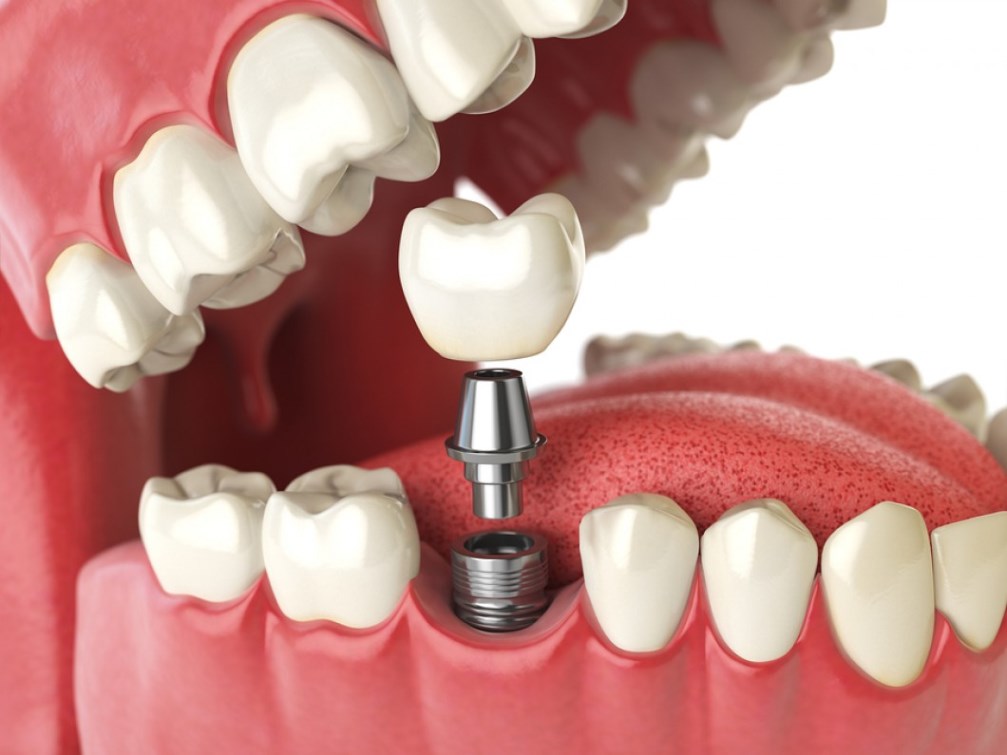
4 May 2018 Images are included for general illustration and do not establish or predict an individual treatment outcome. The implant and the replacement tooth The implant is the part placed in the jawbone. A connecting component, often called an abutment, links it to the replacement tooth or prosthesis. The visible crown is a separate part of the treatment. Several implants may support a bridge or a removable denture, depending on the plan. Ask your dentist to show which components are proposed and explain how they will be cleaned and maintained. Keep the implant system details with your treatment records so future clinicians can identify the components. Assessment before placement Assessment includes your medical and dental history, gum health, bite and available bone. Imaging may be needed for planning. Medicines, smoking and some health conditions can affect healing or the risk of complications; discuss these before treatment rather than stopping prescribed medicines yourself. Treatment usually involves several appointments with healing between stages. Additional treatment, such as managing gum disease or grafting, may be considered. Ask why each step is needed and whether referral is appropriate. Risks and future care Implant surgery can cause pain, swelling, bleeding or infection. Other risks include failure to integrate with the bone and injury to nearby teeth, nerves or the sinus. Gum and bone problems or loose and damaged components can develop later. Ask which risks apply to your proposed treatment. Discuss alternatives such as a suitable bridge or removable denture, and whether leaving the space under review is reasonable. Before invasive or irreversible treatment, you may wish to seek a second opinion from an appropriately qualified dental practitioner. Related articles The Dental Implant Process: Stages and Timing Single-Tooth Implant Costs: Reading Your Estimate Dental Implants and Dentures: Comparing Options This article provides general information only. An examination is needed to assess your circumstances and suitability for treatment. All dental treatment carries risks, and results vary between individuals.
Dental Crown or Bridge: Understanding the Difference
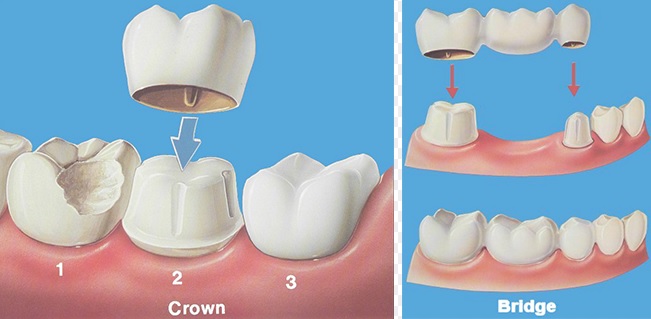
1 May 2018 Images are included for general illustration and do not establish or predict an individual treatment outcome. A crown covers a tooth; a bridge replaces a gap A crown is fitted over an existing tooth that has been prepared to receive it. A bridge replaces one or more missing teeth using support from other teeth or, in some cases, implants. Although both are fixed restorations, they address different situations. A damaged tooth does not automatically need a crown, and a missing tooth does not automatically need a bridge. The decision depends on the teeth and gums, your bite, the likely function of the restoration and your preferences. What supporting a bridge can involve A conventional tooth-supported bridge often requires preparation of teeth next to the gap. This can involve removing otherwise healthy tooth structure. Other bridge designs may be considered in selected cases. Ask which teeth would be involved and what would happen if a supporting tooth developed a problem. A bridge needs cleaning beneath the replacement tooth as well as around its supports. Your dentist can demonstrate an appropriate method. A crown or bridge does not prevent future tooth decay or gum problems. Discuss the alternatives and risks Depending on the tooth, alternatives to a crown may include a filling or partial-coverage restoration. Options for a gap may include an implant, a removable denture or leaving the space with monitoring. Each has different requirements, risks and maintenance needs. Crowns and bridges may chip, loosen or fracture, and supporting teeth can develop sensitivity or require further treatment. Ask about the risks of delaying or declining care, and whether referral to a prosthodontist would help with a complex decision. Before proceeding with invasive treatment, consider seeking a second opinion from an appropriately qualified dental practitioner. Related articles Dental Crowns: Planning Treatment in Sydney CBD Dental Crowns: Benefits, Risks and Alternatives Dental Crown Lifespan: Care and Review This article provides general information only. An examination is needed to assess your circumstances and suitability for treatment. All dental treatment carries risks, and results vary between individuals.
Dental Crowns: Choosing Treatment After Assessment
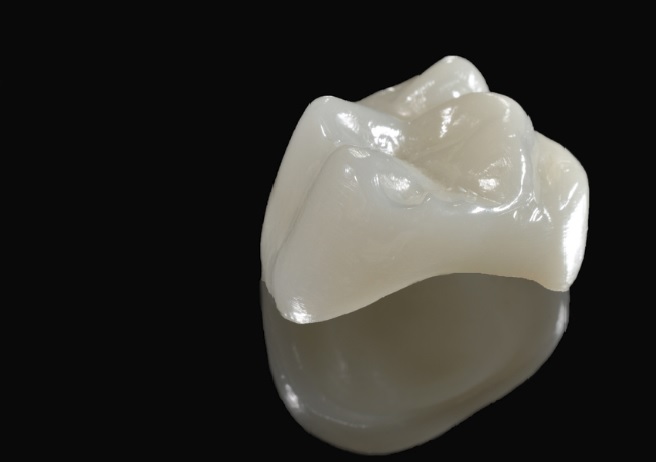
27 April 2018 Images are included for general illustration and do not establish or predict an individual treatment outcome. Understand why a crown is proposed A crown covers a prepared tooth and may be considered when the remaining structure needs protection or restoration. The dentist assesses the tooth, gums, bite and existing dental work before recommending it. Not every damaged tooth needs a crown. Ask whether a filling, partial-coverage restoration, monitoring or another approach could be suitable. The options depend on the extent and cause of the damage. Compare materials and the treatment process Discuss material choice, tooth preparation, appointments and any temporary restoration. A particular brand, machine or online review cannot establish which option is appropriate for your tooth. Ask how the plan accounts for bite forces and appearance. Crowns can involve irreversible removal of tooth structure. Risks include sensitivity, tooth or crown fracture, loosening, gum irritation and possible need for root canal treatment. Decay can still develop around the tooth. Plan for future care Ask about cleaning, review and possible repair or replacement costs. A crown has no guaranteed lifespan. Before invasive or irreversible treatment, consider a second opinion from an appropriately qualified dental practitioner if you remain uncertain. Related articles Dental Workplace Benefits: Check the Current Terms Dental Costs and Technology: Questions to Ask Visiting Sydney CBD Dentistry: Planning Your Appointment This article provides general information only. An examination is needed to assess your circumstances and suitability for treatment. All dental treatment carries risks, and results vary between individuals.
CEREC and Laboratory Crowns: Comparing the Process
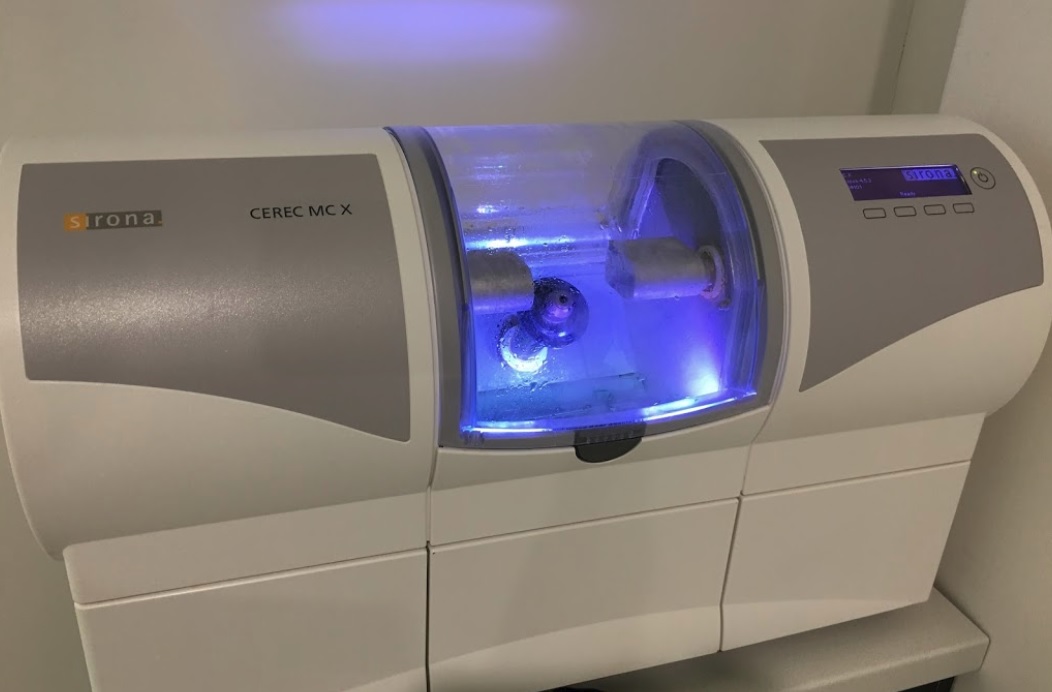
24 April 2018 Images are included for general illustration and do not establish or predict an individual treatment outcome. Two ways to make a crown CEREC is a system used to design and manufacture dental restorations with computer assistance. In suitable circumstances, a crown can be made at the dental practice and fitted during the same visit. A laboratory-made crown is produced outside the practice and usually involves separate preparation and fitting appointments. These describe how a crown is made, rather than whether you need one. Both approaches begin with assessment of the tooth. Neither a digital system nor a shorter appointment schedule establishes that one option will be more suitable for every patient. What to compare Ask which materials are available, how the crown will be designed, and how its fit and your bite will be checked. The condition and location of the tooth, the proposed restoration and any other care needed can affect the choice. For a laboratory crown, a temporary restoration may be required while the final crown is being made. A chairside approach may reduce the need for this stage, but additional visits or adjustments can still be necessary. Contact Sydney CBD Dentistry to confirm current availability and the appointments appropriate to your case. The same need for informed consent Both approaches can involve irreversible tooth preparation. Possible problems include sensitivity, an uncomfortable bite, loosening, fracture or decay around the crown. Further dental treatment may be required; same-day manufacture does not remove these risks. Discuss whether a filling, a partial-coverage restoration, monitoring or another approach is suitable. Ask about the consequences of no treatment and whether complex work should be assessed by a prosthodontist. Before proceeding with invasive treatment, consider seeking a second opinion from an appropriately qualified dental practitioner. Related articles Porcelain Crowns: Materials and Considerations Dental Crowns: Planning Treatment in Sydney CBD Dental Crown Costs: Questions for Your Treatment Plan This article provides general information only. An examination is needed to assess your circumstances and suitability for treatment. All dental treatment carries risks, and results vary between individuals.
Porcelain Crowns: Materials and Considerations
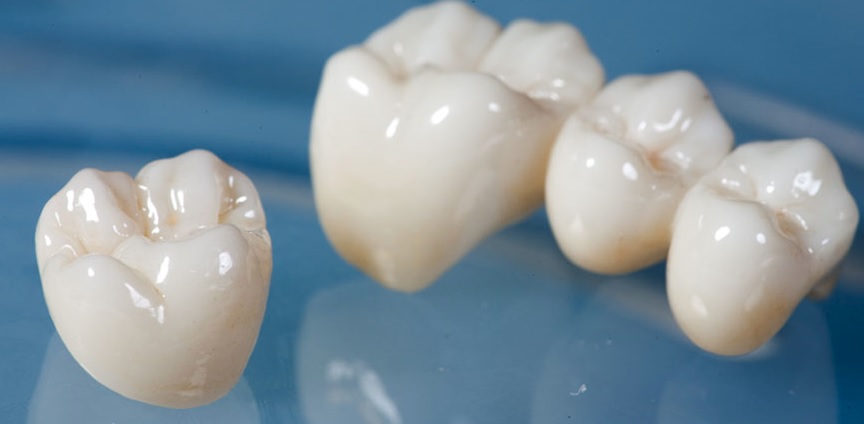
20 April 2018 Images are included for general illustration and do not establish or predict an individual treatment outcome. What a porcelain crown does A crown covers a prepared tooth. It may be considered when damage is too extensive for a filling alone, or when a tooth needs additional protection following other treatment. The reason for a crown should be explained for the particular tooth, rather than assumed from its appearance. Porcelain is a type of ceramic. The terms are sometimes used loosely in advertising, so ask which material is proposed and why. Tooth-coloured materials can be selected to blend with surrounding teeth, but an exact visual match or a particular outcome cannot be promised. Choosing a material The location of the tooth, the way your teeth meet, the remaining tooth structure and your preferences all form part of the discussion. A material name alone does not tell you whether a crown is suitable or how long it will last. Ask about other materials and about less extensive options, such as a filling or partial-coverage restoration, if these are appropriate. If the concern is solely appearance, choosing no treatment is also an option to discuss. Preparation, care and limitations Preparing a tooth for a crown removes tooth structure and is generally irreversible. Sensitivity, gum irritation, chipping, loosening and decay around the edge are possible. A tooth may need further treatment later, including root canal treatment in some circumstances. Follow the cleaning and review plan your dentist recommends. There is no fixed lifespan for every crown, and repair or replacement may be needed. Complex restorative needs may warrant referral to a prosthodontist. Before proceeding with invasive treatment, consider seeking a second opinion from an appropriately qualified dental practitioner. Related articles CEREC and Laboratory Crowns: Comparing the Process Dental Crowns: Benefits, Risks and Alternatives Dental Crown Lifespan: Care and Review This article provides general information only. An examination is needed to assess your circumstances and suitability for treatment. All dental treatment carries risks, and results vary between individuals.
Considering Dental Implants: Benefits and Limits

31 August 2017 Images are included for general illustration and do not establish or predict an individual treatment outcome. Start with the problem you want to address An implant may be considered to support replacement teeth after tooth loss. The aim might be to restore a chewing surface or support a dental prosthesis. What is achievable depends on the position of the space, the surrounding tissues and the treatment design. An implant is not automatically appropriate for every missing tooth. Bookings are with our Sydney CBD dentist at 70 Pitt Street. Explain what troubles you about your current teeth or denture. Assessment may identify options that do not involve an implant, including retaining a tooth that can be treated or reviewing an existing restoration. Understand the limits Implants are not natural teeth and are not maintenance-free. The tissues around them can develop disease, and crowns, screws or other components may loosen, wear or break. A restoration may need to be repaired or replaced even when the implant remains in place. Discuss the number of visits, healing, cleaning access and likely future reviews. Ask for a current estimate from Sydney CBD Dentistry instead of relying on older package prices. No particular lifespan or personal outcome can be promised. Make an informed choice Implant surgery can cause pain, swelling, bleeding or infection. Other risks include failure to integrate with the bone and injury to nearby teeth, nerves or the sinus. Gum and bone problems or loose and damaged components can develop later. Ask which risks apply to your proposed treatment. Discuss alternatives such as a suitable bridge or removable denture, and whether leaving the space under review is reasonable. Before invasive or irreversible treatment, you may wish to seek a second opinion from an appropriately qualified dental practitioner. Related articles Dental Implants and Dentures: Comparing Options Dental Implant Maintenance and Long-Term Care Is a Dental Implant Suitable for You? This article provides general information only. An examination is needed to assess your circumstances and suitability for treatment. All dental treatment carries risks, and results vary between individuals.