
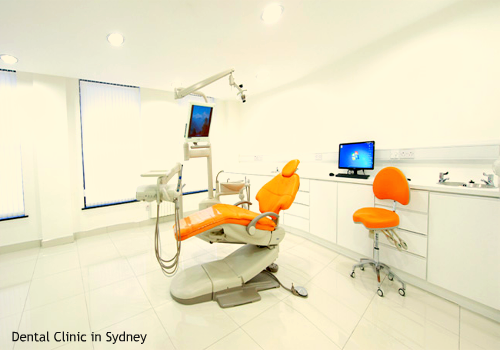
Images are included for general illustration and do not establish or predict an individual treatment outcome.
Explain your priorities
A dental appointment can begin with pain, a broken tooth, bleeding gums or a concern identified during a routine review. Tell the dentist what matters most to you, including discomfort, eating difficulties, anxiety, time and cost.
Bring an up-to-date medication list and describe any changes in your health. Previous records can sometimes help explain earlier treatment, but your current condition still needs assessment.
Understand the proposed plan
Ask the dentist to explain each finding and which problems need attention first. Treatment choices depend on the condition of the teeth and gums, your medical circumstances and your preferences. A plan may include prevention, monitoring, restoration or referral.
Ask about the benefits, limitations, risks and alternatives to each procedure. Treatment cannot guarantee a particular outcome, and additional care may become necessary.
Agree on follow-up
Check the expected appointments, itemised costs and arrangements for review. Ask who to contact if symptoms persist or change after treatment. Keep your home-care advice and review interval specific to your needs, and raise any difficulty following the plan.
Related articles
- Dental Check-Ups and Ongoing Oral Care
- What to Expect from a Dental Clinic Visit
- Planning Dental Treatment Costs and Payments
This article provides general information only. An examination is needed to assess your circumstances and suitability for treatment. All dental treatment carries risks, and results vary between individuals.