

Images are included for general illustration and do not establish or predict an individual treatment outcome.
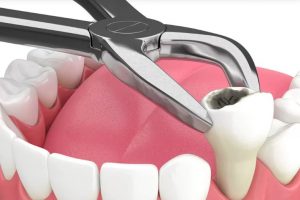
Symptoms need assessment
Pain, a fracture, swelling or extensive decay may lead a person to wonder whether a tooth needs removal. These signs do not establish the answer on their own. The dentist examines the tooth, its support and surrounding tissues, with tests or imaging when indicated.
The amount and position of damage, restorability, gum health and your wider treatment plan matter. A tooth with infection involving the pulp may sometimes be treated with root canal care; it does not automatically require extraction.
Compare retaining and removing the tooth
Depending on the findings, options may include a restoration, root canal treatment, gum care, monitoring or extraction. Some teeth cannot reasonably be retained. Ask the practitioner to explain the benefits, limitations and likely consequences of each relevant option.
Wisdom teeth also need individual assessment. Being unerupted or impacted does not by itself mean every tooth should be removed. If extraction is recommended, ask what problem it is intended to address and what may happen if you choose to wait.
Make a plan for treatment and recovery
Removal is irreversible. Discuss the procedure, pain management, current fees, possible referral and care of the resulting space. Antibiotics are not automatically needed after every extraction; any prescription should follow the treating practitioner’s assessment.
Risks can include pain, swelling, bleeding, infection, dry socket and damage to nearby structures. Nerve or sinus complications may be relevant to particular teeth. Ask about aftercare and warning signs. Before invasive treatment, you may wish to seek a second opinion from an appropriately qualified dental practitioner.
Arrange aftercare before the procedure
Before leaving, ask for written aftercare instructions and a contact plan for concerns during recovery. Confirm what to do about ongoing bleeding, increasing pain or swelling. Follow the treating clinician’s advice for your procedure.
Further reading
Healthdirect: tooth extraction provides general patient information about this treatment. Discuss how it applies to your circumstances with your dentist.
Related articles
- Tooth Extraction Costs: Understanding the Plan
- After Tooth Removal: Recovery and Warning Signs
- Root Canal Treatment: Planning and Follow-up
This article provides general information only. An examination is needed to assess your circumstances and suitability for treatment. All dental treatment carries risks, and results vary between individuals.