
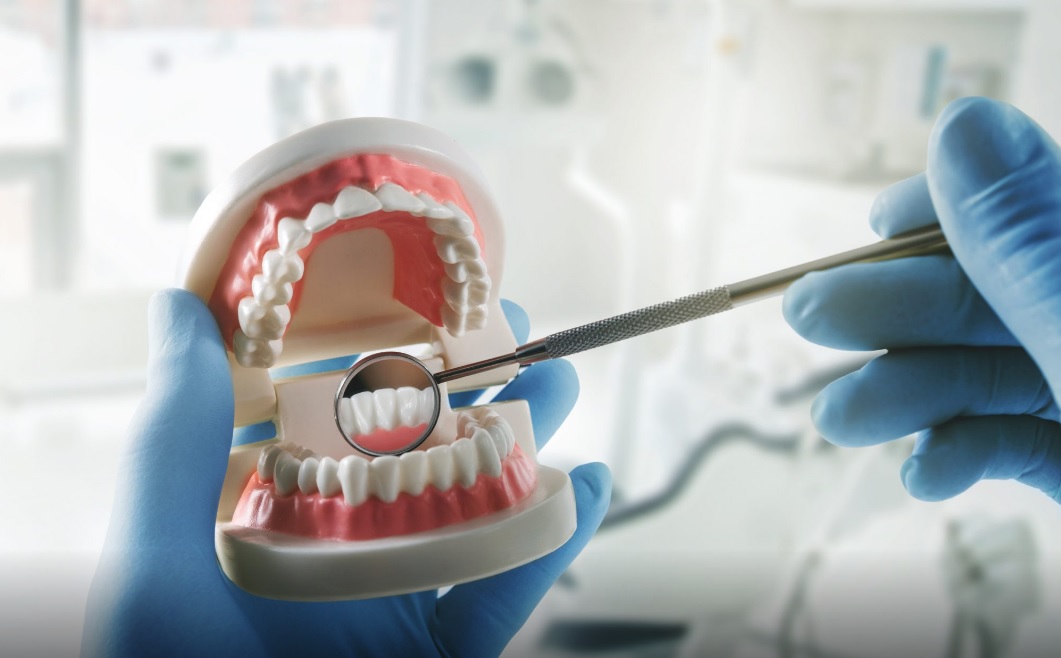
Images are included for general illustration and do not establish or predict an individual treatment outcome.

Share the information that matters
Bring a medication list and details of allergies, relevant health conditions and previous dental treatment. Explain your main concern and any anxiety, access or communication needs. Ask whether earlier dental records would be useful.
Confirm the appointment type and fees beforehand. An initial consultation does not automatically include cleaning, imaging or treatment; these depend on the assessment and agreed plan.
Ask about the findings
The dentist can explain the condition of your teeth and gums and whether further investigation is needed. Ask which findings need attention now and which may be monitored. A symptom-free mouth still benefits from an individual review plan.
Discuss the options, benefits, risks, alternatives and likely costs before agreeing to care. A series of treatments should have a clinical reason rather than being offered automatically as a complete package.
Agree on follow-up
Review intervals vary with individual needs. There is no automatic requirement for every new patient to attend twice monthly or to undergo extensive treatment. Confirm what happens next and how to seek advice if symptoms change.
Related articles
- Early Dental Symptoms: When to Arrange an Assessment
- Looking After Your Teeth Between Dental Visits
- Dental Pain, Swelling and Bleeding: Seeking Advice
This article provides general information only. An examination is needed to assess your circumstances and suitability for treatment. All dental treatment carries risks, and results vary between individuals.