

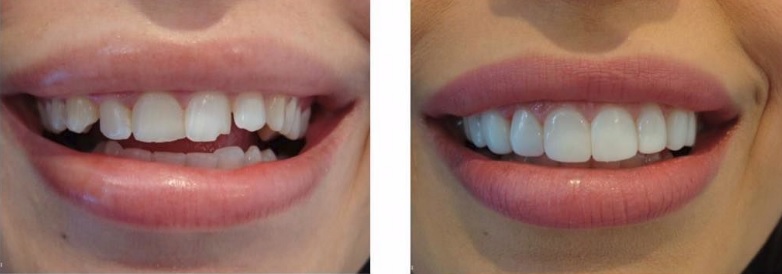
What are composite veneers?
Composite veneers use tooth-coloured resin bonded to the front of teeth. The dentist often builds and shapes the material directly, although indirect techniques are also used. Veneers are an elective option in some circumstances, not a requirement for teeth with normal differences in colour or shape.
A veneer covers a tooth surface. It does not correct every bite problem, move the root of a tooth or replace treatment for dental disease.
Assessment and preparation
Before recommending a veneer, the dentist assesses the tooth, gums, existing fillings and bite. Untreated decay, gum disease or grinding may affect suitability. The amount of enamel preparation varies between cases.
Ask specifically whether healthy tooth tissue will be removed. Less preparation does not make a procedure risk-free, and composite treatment should not be assumed to be fully reversible. The dentist should explain alternatives before you commit.
Placement and follow-up
For a direct veneer, the tooth is prepared for bonding, resin is added and shaped, and a curing light hardens the material. The surface is then finished and polished. The dentist checks its fit and your bite.
The number of visits depends on the work required. Additional adjustment or review may be needed. Contact the practice if your bite feels wrong or discomfort persists; do not reshape the veneer yourself.
Limitations and possible complications
Composite can stain, chip or wear, and a veneer may become loose. A repair may be possible, but some problems require replacement. Results vary, and there is no guaranteed lifespan or match to an example photograph.
Sensitivity, gum irritation and problems around the restoration can occur. Decay can develop around a veneered tooth. Your dentist should explain the risks relevant to your preparation, bite and oral health, together with what recovery and ongoing maintenance may involve.
Aftercare and alternatives
Brush with fluoride toothpaste and clean between teeth. Avoid biting hard objects and using teeth as tools. Continue dental reviews, and discuss a protective appliance if your dentist identifies a reason for one.
Depending on your needs, options may include a limited bonded repair, porcelain veneers, orthodontic assessment, whitening, monitoring or no cosmetic treatment. Compare the amount of tooth alteration, risks, upkeep and future replacement needs rather than deciding on appointment numbers alone.
For invasive or irreversible treatment, you may wish to seek a second opinion from an appropriately qualified health practitioner before deciding.
Related articles
- Composite veneers and bonding
- Veneer longevity and maintenance
- Veneer considerations
This article provides general information only. An examination is needed to assess your circumstances and suitability for treatment. All dental treatment carries risks, and results vary between individuals.