

Toothache does not always mean that root canal treatment is needed. Pain, sensitivity or swelling can have several causes. A dentist needs to examine the tooth and may recommend tests or X-rays before discussing treatment.
Symptoms to have assessed
Persistent tooth pain, pain when biting, prolonged sensitivity to hot or cold, swelling or a recurring gum swelling near a tooth should be assessed. An infected or damaged tooth may sometimes cause little pain, so the absence of severe symptoms does not establish that it is healthy.
If you develop facial swelling, fever or feel unwell with a dental problem, seek urgent advice. Call 000 or go to an emergency department if swelling affects breathing or swallowing. Do not wait for a routine appointment in that situation.
What root canal treatment involves
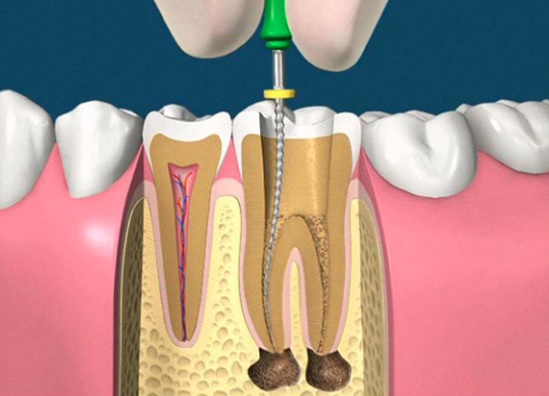
The pulp inside a tooth contains nerves and blood vessels. If it becomes infected or irreversibly inflamed, root canal treatment may be an option to retain the tooth. The dentist removes affected tissue, cleans and seals the canals, and plans the restoration needed to protect the tooth. Treatment may involve more than one appointment.
Risks and other choices
Discomfort can occur during recovery. Treatment can fail or infection can persist or return, and further treatment or extraction may be necessary. A tooth can fracture; the dentist will explain whether a crown or another restoration is appropriate. Referral to an endodontist may be recommended for complex cases.
Extraction may be an alternative when a tooth cannot reasonably be retained. Delaying necessary care can allow the problem to worsen. Ask what could happen if you postpone or decline treatment, rather than assuming that improvement in pain means the cause has resolved.
Preparing for an appointment
Describe when the symptoms began, what triggers them and any swelling or injury. Bring your medication list and medical history. Ask about the diagnosis, options, risks, proposed visits and follow-up so you can make an informed decision.
For invasive or irreversible treatment, you may wish to seek a second opinion from an appropriately qualified health practitioner before deciding.
Related articles
This article provides general information only. An examination is needed to assess your circumstances and suitability for treatment. All dental treatment carries risks, and results vary between individuals.