

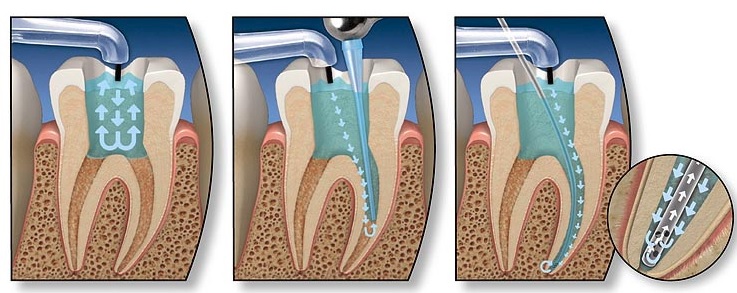
What can affect the inside of a tooth?
The pulp contains nerves and blood vessels inside a tooth. Deep decay, a crack, injury or previous dental work can affect it. Root canal treatment is one possible response to an irreversibly damaged or infected pulp; it is not a treatment for every sensitive tooth.
A dentist assesses the source and extent of the problem. A visible chip may not show how deeply a tooth is affected, and a tooth can need assessment even when discomfort comes and goes.
Symptoms are clues rather than a diagnosis
Persistent pain, lingering temperature sensitivity, tenderness when biting, swelling or a darkening tooth can merit a review. These signs overlap with other conditions. A dentist may use examination, pulp tests and X-rays to investigate them.
Tell the dentist about previous injuries and treatment, even if they happened some time ago. Explain how the symptoms are changing. Do not assume that the absence of pain rules out a problem or that pain relief has removed its cause.
Deciding whether a tooth can be retained
The plan depends on the pulp diagnosis, remaining tooth structure, cracks, gum support and whether the tooth can be restored. A filling alone may be appropriate for some problems. Where root canal treatment is indicated, the dentist explains cleaning and sealing the canals and the restoration needed afterwards.
A difficult case may require an endodontist's assessment. Extraction may be discussed when the tooth cannot reasonably be retained. Ask about the risks and implications of each option, including the consequences of leaving an infection untreated.
Treatment limitations and urgent symptoms
Root canal treatment does not guarantee that the tooth will remain trouble-free. Recurrent infection, instrument separation, damage within the tooth or a need for further procedures can occur. Local anaesthetic helps manage discomfort, and recovery should be discussed for your case.
Seek prompt dental advice for severe or worsening pain or swelling. Call 000 or go to hospital for difficulty breathing or swallowing or severe swelling affecting these functions. For invasive or irreversible treatment, you may wish to seek a second opinion from an appropriately qualified health practitioner before deciding.
Related articles
This article provides general information only. An examination is needed to assess your circumstances and suitability for treatment. All dental treatment carries risks, and results vary between individuals.