
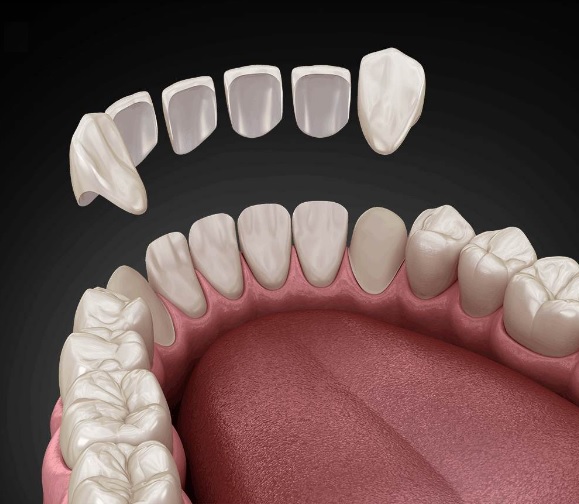
Understanding Dental Veneers
Veneers cover part of the visible surface of a tooth to change its shape or appearance. They may be made from porcelain or composite resin. An examination is needed to determine whether they are appropriate for your teeth and bite.
Porcelain and composite
Porcelain veneers are fabricated before being bonded to prepared teeth. Composite resin may be applied directly. The amount of tooth preparation, appearance, maintenance and fees differ between cases.
Limitations and ongoing care
Preparation can be irreversible. Both materials can chip, stain, wear or loosen and may need repair or replacement. Other risks include sensitivity, gum changes and nerve irritation. Veneers do not move teeth or treat decay or gum disease.
Alternatives may include orthodontics, whitening, a different restoration or no treatment. Your dentist can explain the likely benefits and risks in your circumstances.
Any surgical or invasive procedure carries risks. Before proceeding, seek a second opinion from an appropriately qualified health practitioner.