Lost a Filling? What to Do Until Your Appointment
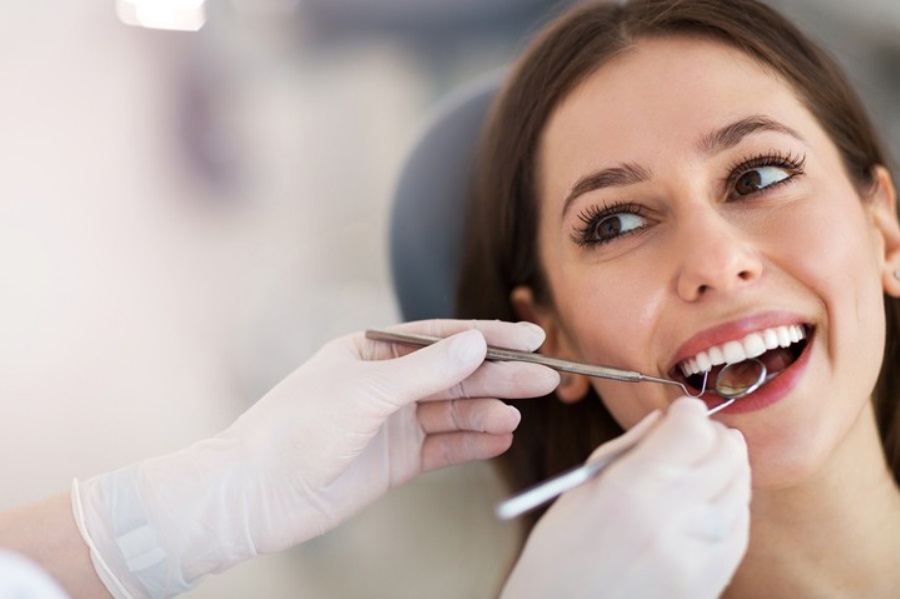
If you have a lost filling, keep the tooth clean, avoid chewing on that side and book a dentist appointment within a few days. When there’s little or no pain it isn’t usually an emergency, but the exposed tooth is more likely to decay, crack or become sensitive the longer it’s left. If you have severe pain or swelling, check what counts as a dental emergency first. Otherwise, here’s how to look after the tooth until your appointment. What to do straight away If you think you swallowed the filling, try not to worry. A small piece usually passes through the body without causing harm. Protecting the tooth until your appointment Don’t use superglue or household products to fill the hole, and don’t put aspirin on the gum, as it can burn the tissue. Managing pain and sensitivity Some sensitivity is common once a filling falls out, because the softer layer under the enamel (dentine) is exposed. For discomfort, try over-the-counter pain relief such as paracetamol or ibuprofen, taken as directed on the pack, if it’s safe for you. A cold pack wrapped in a cloth against the outside of the cheek may also help if the area aches. Pain that throbs, lingers after hot or cold, wakes you at night or comes with swelling suggests the nerve may be inflamed or infected. That needs to be seen urgently rather than in a few days. We aim to see urgent problems as soon as possible, often on the same day, so call our emergency dentist in North Sydney. When to go to hospital A missing filling on its own is rarely a hospital problem. However, call 000 or go to your nearest hospital emergency department if you have difficulty breathing or swallowing, swelling spreading to the eye, neck or floor of the mouth, bleeding that won’t stop after 15–20 minutes of firm pressure, a possible broken jaw, or a knock to the head with loss of consciousness, vomiting or confusion. Out of hours, call healthdirect on 1800 022 222 for 24/7 nurse advice. Why do fillings fall out? Knowing the cause helps your dentist choose a repair that’s more likely to last. It’s also why a dentist will check the tooth rather than simply topping up the hole. What happens at your lost filling appointment? At our North Sydney practice, your dentist will examine the tooth, check for decay and cracks, and may take an X-ray. Depending on what they find, treatment may involve: If you’d like to know more about how fillings are placed and which materials are used, read our article on getting a tooth filling. Your dentist will explain the options, likely costs and any risks before starting. Cost depends on the size of the repair and what else the tooth needs. Health-fund rebates depend on your level of cover. See our price guide or ask about payment plans for larger treatment. How to lower the risk of losing another filling Frequently asked questions Need help now? North Sydney Dentistry is at Level 1, Suite 102/71 Walker St, North Sydney, a two-minute walk from North Sydney station. We’re open Monday to Friday, 9am to 6pm, and keep time aside for urgent problems where we can. Call (02) 8090 1108 or book online. This article is general information only and is not a substitute for advice from your own dentist or doctor. Any surgical or invasive procedure carries risks. Before proceeding, you should seek a second opinion from an appropriately qualified health practitioner. Related at Sydney CBD Dentistry: Dental Fillings in Sydney CBD · our Sydney CBD dentist at 70 Pitt St
Dental Crown Fell Off? What to Do Next
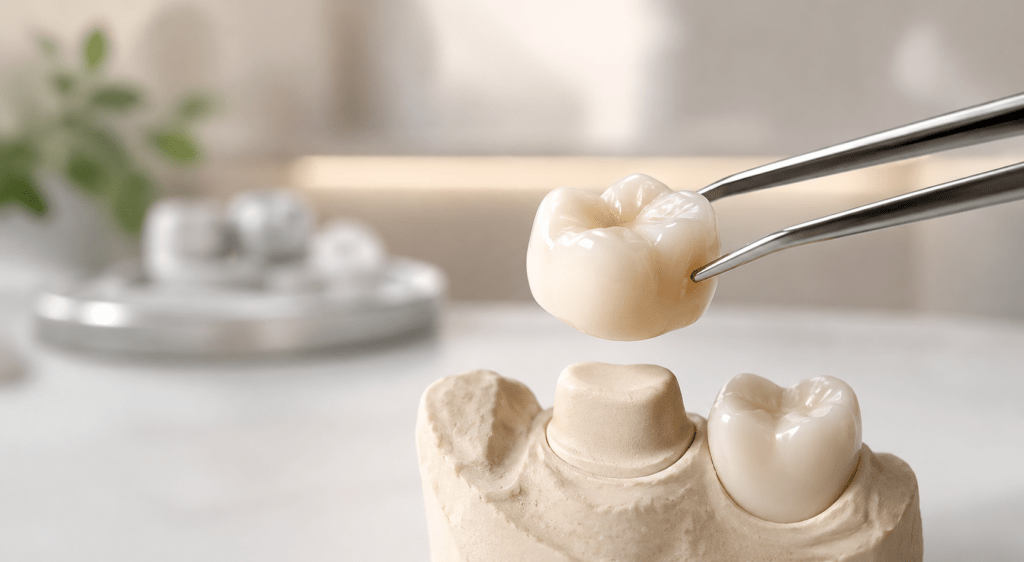
If your crown fell off, keep it somewhere safe, protect the tooth underneath and call your dentist to have it checked within a day or two. A loose crown is rarely a hospital emergency, but the sooner it’s seen, the better the chance it can be cemented back on rather than replaced. This article covers what to do in the next few hours and days. For pain, swelling or injuries, see what counts as a dental emergency. What to do right away What if I swallowed the crown? A swallowed crown usually passes through the digestive system within a few days without causing harm. Let your dentist know, as a new crown will be needed. It’s different if the crown may have gone down the wrong way. If you have coughing that won’t settle, wheezing, chest pain or any difficulty breathing after losing a crown, see a doctor straight away, as an inhaled crown needs to be found and removed. Call 000 if breathing is difficult. When to go to hospital instead Call 000 or go to your nearest hospital emergency department if you have difficulty breathing or swallowing, swelling spreading to the eye, neck or floor of the mouth, bleeding that won’t stop after 15–20 minutes of firm pressure, a possible broken jaw, or a knock to the head with loss of consciousness, vomiting or confusion. Out of hours, healthdirect on 1800 022 222 offers 24/7 nurse advice. Can I put the crown back on myself? Sometimes you can hold the crown in place for a few days with temporary dental cement from a pharmacy. This is a short-term fix only. It’s only suitable if the crown is intact and the tooth underneath isn’t broken or painful. Never use superglue or household glue. These products aren’t made for use in the mouth, can irritate the gum and tooth, may set the crown in the wrong position and can make it much harder for your dentist to clean and refit. Don’t force a crown on either, as this can crack the crown or the tooth. Looking after the exposed tooth The tooth under a crown has been shaped down, so it may feel rough, sharp or sensitive to hot, cold and sweet foods. A tooth that has had root canal therapy may not feel anything, but it still needs protecting. Until your appointment: If the tooth becomes very painful, you notice swelling or a pimple on the gum, or a front crown has come off and you’re worried about how it looks, tell us when you call so we can plan your visit. Why do crowns come loose? An implant crown that feels loose is often caused by a loosened screw rather than failed cement. Don’t try to glue it. Your dentist can check the implant and tighten or refit the crown. My crown fell off: what happens at the appointment? We aim to see urgent problems as soon as possible, often on the same day. Contact our emergency dentist in North Sydney sooner if the tooth is painful or broken. At our North Sydney practice, your dentist will examine the tooth and the crown, and may take an X-ray to check for decay or cracks. Depending on what they find, options may include: You can read more about crowns and bridges on our website. Your dentist will explain the options, likely costs and any risks before treatment starts. Cost depends on whether the crown can be reused and what the tooth needs. See our price guide or ask about payment plans. Frequently asked questions Need help now? North Sydney Dentistry is at Level 1, Suite 102/71 Walker St, North Sydney, a two-minute walk from North Sydney station. We’re open Monday to Friday, 9am to 6pm, and keep time aside for urgent problems where we can. Call (02) 8090 1108 or book online. This article is general information only and is not a substitute for advice from your own dentist or doctor. Any surgical or invasive procedure carries risks. Before proceeding, you should seek a second opinion from an appropriately qualified health practitioner. Related at Sydney CBD Dentistry: Dental Crowns in Sydney CBD · our Sydney CBD dentist at 70 Pitt St
Wisdom Tooth Pain: Causes, Relief and When to See a Dentist
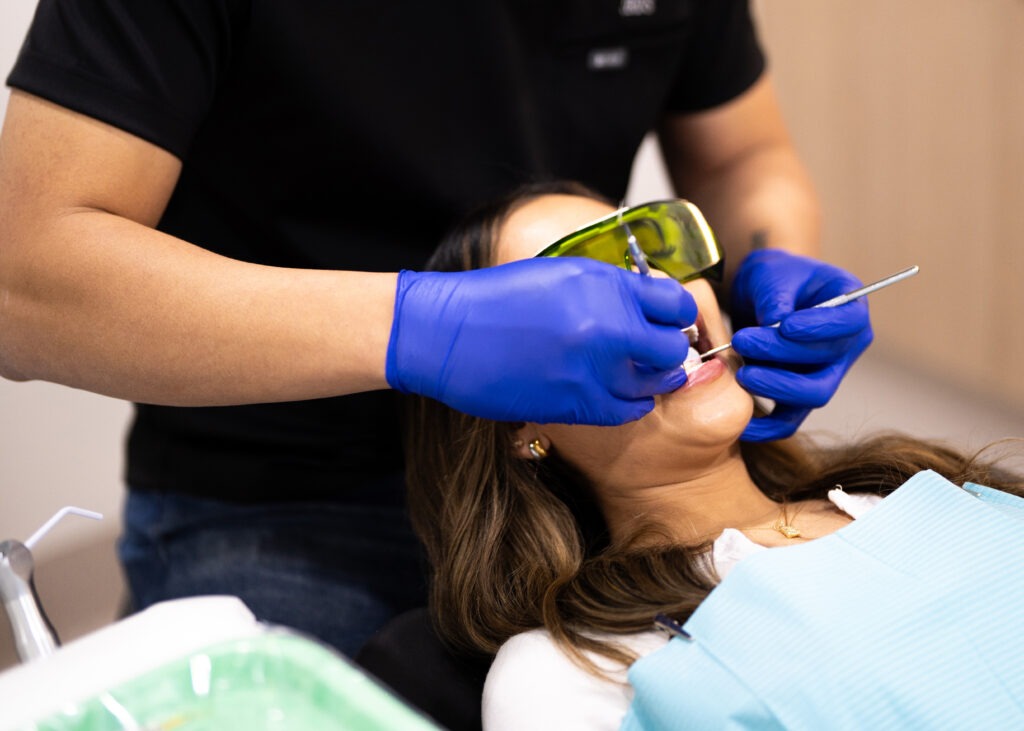
Wisdom tooth pain usually comes from inflamed gum around a tooth that is only partly through (pericoronitis), a tooth that is stuck against bone or the tooth in front (impaction), or decay in a tooth that is hard to reach with a toothbrush. Mild soreness often settles with careful cleaning and pain relief, but swelling, trouble opening your mouth or pain that keeps coming back should be checked by a dentist. If the pain is severe or your face is swollen, read our dental emergency guide alongside this article. Below we cover the likely causes, what you can do at home tonight and when removal may be recommended. Get help urgently if you notice these signs Infection around a lower wisdom tooth can spread into the tissues of the jaw and neck. Call 000 or go to your nearest hospital emergency department if you have: Out of hours, if you’re unsure how urgent it is, call healthdirect on 1800 022 222 for 24/7 nurse advice. What causes wisdom tooth pain? Wisdom teeth (third molars) usually come through between the late teens and mid-twenties. Many people have no trouble with them, but there often isn’t enough room at the back of the jaw, and that’s when problems start. Pericoronitis This is the most common cause. When a wisdom tooth is only partly through, a flap of gum can sit over it. Food and bacteria get trapped underneath, and the gum becomes red, swollen and tender. You may notice a bad taste, bad breath, pain when swallowing, stiffness when opening your mouth or a sore gland under the jaw. Biting on the swollen flap with the opposite tooth often makes it worse. Impaction An impacted wisdom tooth is blocked from coming through fully, often because it is angled into the tooth in front or sits deep in the bone. It may cause pressure or a dull ache. It can also leave a hard-to-clean pocket where the gum and the neighbouring molar are prone to decay and gum disease. Less commonly, a fluid-filled sac (cyst) can form around a buried tooth. Decay and gum disease Wisdom teeth sit so far back that they’re easy to miss when brushing and flossing. Decay in the wisdom tooth, or in the back of the molar in front of it, can cause sensitivity to cold and sweet foods, then throbbing pain if it reaches the nerve. Other causes to rule out Pain at the back of the mouth isn’t always the wisdom tooth. Jaw joint and muscle problems from clenching, a cracked molar, an ulcer or sinus congestion can feel similar. An examination and X-ray help your dentist work out where the pain is coming from. How to ease the pain at home These steps can help while you wait for an appointment. They manage symptoms but won’t fix the cause. Don’t put aspirin on the gum, don’t hold heat against your face, and don’t take leftover or borrowed antibiotics. Antibiotics should only be used when a dentist or doctor prescribes them, and they don’t remove the underlying cause. When to see a dentist Book an appointment within a day or two if you have: We aim to see urgent problems as soon as possible, often on the same day. Our emergency dentist in North Sydney can assess the tooth, clean under the gum flap and relieve pain, so you can think about next steps without rushing. Will my wisdom tooth need to come out? Not always. A wisdom tooth that is healthy, fully through and easy to clean may never need treatment. Your dentist will usually take an X-ray, often a panoramic image of the whole jaw, to see the tooth’s position, its roots and how close it sits to the nerve. Wisdom tooth removal may be recommended if you have: At our North Sydney practice, many wisdom teeth can be removed in the chair under local anaesthetic, and happy gas is available if you feel nervous. If a tooth is deeply impacted or very close to the nerve, your dentist may refer you to an oral and maxillofacial surgeon, who may arrange a 3D scan and treatment under sedation or general anaesthetic. Like any surgery, removal carries risks, such as swelling, a dry socket or, rarely, numbness from irritation of a nerve. Your dentist will explain the benefits, risks, recovery and costs before anything is done. See our price guide or ask about payment plans. Frequently asked questions Need help now? North Sydney Dentistry is at Level 1, Suite 102/71 Walker St, North Sydney, a two-minute walk from North Sydney station. We’re open Monday to Friday, 9am to 6pm, and keep time aside for urgent problems where we can. Call (02) 8090 1108 or book online. This article is general information only and is not a substitute for advice from your own dentist or doctor. Any surgical or invasive procedure carries risks. Before proceeding, you should seek a second opinion from an appropriately qualified health practitioner. Related at Sydney CBD Dentistry: our Sydney CBD dentist at 70 Pitt St
How Much Does an Emergency Dentist Cost in Sydney?
There’s no single emergency dentist cost, because the fee depends on what’s wrong and what needs to be done on the day. Most visits start with an examination and X-rays, followed by treatment to relieve pain or stabilise the tooth. Any further treatment should be explained and quoted before it begins, and extras cover may pay part of the bill. This guide explains the main cost drivers so you know what to expect. If you’re still deciding whether your problem is urgent, see what counts as a dental emergency. Don’t let cost delay urgent medical care Some symptoms need a hospital, not a dental clinic. Call 000 or go to your nearest hospital emergency department if you have: Public hospital emergency departments don’t charge Medicare-eligible patients for treatment. Out of hours, you can also call healthdirect on 1800 022 222 for free 24/7 nurse advice. What makes up the emergency dentist cost? The examination An emergency visit usually starts with a focused examination of the problem area rather than a full check-up. Your dentist will ask about your symptoms and medical history, look at the tooth and gums, and may test how the tooth responds to cold or tapping. X-rays X-rays show what can’t be seen by eye, such as decay under a filling, infection at the root tip or a fracture. Each image is usually charged separately, so the number needed will affect the total. Treatment on the day The biggest variable is what’s needed to get you out of pain. Depending on the problem, this could be: Complexity Two people with the same symptom can need very different care. A back molar with several root canals takes longer to treat than a front tooth, and a broken or impacted wisdom tooth may need a surgical extraction. The number of teeth involved and whether you’d like happy gas to help you relax can also change the fee. Business hours or after hours Clinics that open late at night, on weekends or on public holidays may charge higher fees for those appointments. Our North Sydney practice sees urgent patients during our normal opening hours, Monday to Friday, 9am to 6pm. Call our emergency dentist in North Sydney and we aim to see urgent problems as soon as possible, often on the same day. How health funds and extras cover work Hospital cover alone doesn’t usually pay for dental treatment in a clinic. If you have extras (general treatment) cover that includes dental, your fund may pay a benefit towards eligible items. The amount you pay yourself is called the gap. How much you get back depends on your level of cover, your annual limits, how much you’ve already claimed this year and any waiting periods. Waiting periods for major dental, such as crowns and root canal therapy, are often longer than for general dental. If your fund allows it, you may be able to claim part of the cost on the spot. Preferred provider arrangements We are a preferred provider for Bupa Members First, Medibank Members’ Choice and nib First Choice. Members of these funds may have lower out-of-pocket costs for eligible services, depending on their cover. Check the details with your fund. Item numbers help you check Every dental service has an item number from the Australian Schedule of Dental Services and Glossary. For example, 013 is a limited examination and 022 is an intraoral X-ray, charged per image. Your fund can tell you what it pays for each item on your policy. Does Medicare cover emergency dental? Medicare generally doesn’t cover dental treatment for adults at a private dental practice. There are some limited government-funded dental schemes, for example for some children and concession card holders. Check your eligibility with the relevant program before your visit, and ask us whether it can be used at our practice. Written quotes and payment options Once the urgent problem is under control, your dentist will explain your options for longer-term treatment, including the benefits, risks and costs of each. Before any further treatment, you can ask for a written, itemised quote to check with your health fund. You don’t have to decide on the spot, and you’re welcome to seek a second opinion. For an idea of our general fees, see our price guide. If you need more extensive treatment, ask about our payment plans, which let you spread the cost over time. Why delaying care can cost more Putting off a visit can seem like a way to save money, but dental problems rarely get better on their own. A small area of decay that could be fixed with a filling may reach the nerve over time, and then need root canal therapy and a crown, or an extraction and a replacement tooth. An untreated infection may also need more appointments and medication, and can lead to time off work. Tips for keeping costs manageable Frequently asked questions Need help now? North Sydney Dentistry is at Level 1, Suite 102/71 Walker St, North Sydney, a two-minute walk from North Sydney station. We’re open Monday to Friday, 9am to 6pm, and keep time aside for urgent problems where we can. Call (02) 8090 1108 or book online. This article is general information only and is not a substitute for advice from your own dentist or doctor. Any surgical or invasive procedure carries risks. Before proceeding, you should seek a second opinion from an appropriately qualified health practitioner. Related at Sydney CBD Dentistry: our Sydney CBD dentist at 70 Pitt St
Tooth Abscess Symptoms and When It’s an Emergency
The most common tooth abscess symptoms are a severe, throbbing toothache, pain when you bite, swelling in the gum or face, a pimple-like lump on the gum and a bad taste in your mouth. An abscess is a pocket of infection that needs dental treatment, as it won’t clear up by itself. If swelling is spreading or you have trouble breathing or swallowing, call 000. Below, you’ll find how to recognise an abscess, when it becomes a hospital emergency and what to do until you’re seen. You can also read what counts as a dental emergency for other urgent problems. When a tooth abscess is a hospital emergency A dental infection can occasionally spread into the deeper tissues of the face and neck, which can be life-threatening. Call 000 or go to your nearest hospital emergency department if you have: If it’s after hours and you’re not sure how serious your symptoms are, call healthdirect on 1800 022 222 for 24/7 nurse advice. Common tooth abscess symptoms Symptoms can vary from person to person, and some abscesses cause surprisingly little pain. Look out for: Symptoms that are easy to miss If the lump on your gum bursts, the pain may ease quickly as the pressure drops. That doesn’t mean the infection has gone. The source is still there and the abscess will usually return, so it still needs treatment. A front tooth that was knocked months or years ago can also develop an abscess slowly, with only mild tenderness or a greyish colour change as the first sign. Types and causes of a dental abscess At the tip of the root This is the most common type. It develops when bacteria reach the nerve inside the tooth through deep decay, a crack, a large or leaking filling, or damage from an old injury. The nerve dies and infection builds up at the end of the root. In the gum beside the tooth A gum abscess forms in the pocket between the tooth and gum. It’s often linked to gum disease, or to something lodged under the gum, such as a popcorn husk. Around a wisdom tooth A partly erupted wisdom tooth can trap food and bacteria under the flap of gum over it, causing painful swelling at the back of the mouth. What to do until you see a dentist Call our emergency dentist in North Sydney as soon as you notice symptoms. We aim to see urgent problems as soon as possible, often on the same day. In the meantime: Avoid these How a dentist treats an abscess At our North Sydney clinic, your dentist will examine the area, test the tooth and usually take an X-ray to find the source of the infection. Treatment aims to drain the infection and remove its cause. Depending on the tooth, this may involve: Antibiotics may be prescribed if the infection is spreading or you’re unwell, but they don’t usually fix the problem on their own. Without treatment of the source, the infection tends to come back. Your dentist will explain your options, the risks and the likely costs before starting. Reducing your risk Most abscesses start with problems that can be found early. Brush twice a day with fluoride toothpaste, clean between your teeth daily and keep up regular check-ups. See a dentist promptly for toothache, a broken tooth or bleeding gums rather than waiting for them to settle. Frequently asked questions Need help now? North Sydney Dentistry is at Level 1, Suite 102/71 Walker St, North Sydney, a two-minute walk from North Sydney station. We’re open Monday to Friday, 9am to 6pm, and keep time aside for urgent problems where we can. Call (02) 8090 1108 or book online. This article is general information only and is not a substitute for advice from your own dentist or doctor. Any surgical or invasive procedure carries risks. Before proceeding, you should seek a second opinion from an appropriately qualified health practitioner. Related at Sydney CBD Dentistry: our Sydney CBD dentist at 70 Pitt St
Toothache at Night: How to Manage It Until You See a Dentist
A toothache at night often feels worse because lying down increases pressure in the blood vessels around an inflamed tooth, and there’s little to distract you. To get through the night, take over-the-counter pain relief if it’s safe for you, keep your head raised, use a cold pack on the outside of your cheek and call a dentist first thing in the morning. Pain that wakes you up is a sign the nerve inside the tooth may be inflamed or infected, so it’s worth being seen soon. This guide explains how to manage the pain safely overnight. For other urgent problems, see our dental emergency guide. Do you need a hospital tonight? Most toothaches can be managed at home until a dental clinic opens. Call 000 or go to your nearest hospital emergency department if you have: If you’re unsure whether you need to be seen tonight, call healthdirect on 1800 022 222. Registered nurses answer 24 hours a day, seven days a week. Why toothache at night feels worse Several things combine to make dental pain more noticeable after dark: How to ease the pain overnight What not to do What your toothache might be telling you Only an examination and X-rays can confirm the cause, but the type of pain can give some clues: If severe pain suddenly stops, don’t assume the problem has gone. In some cases it means the nerve has died, and an infection can still develop. Book a check-up anyway. Getting treatment in the morning Call as soon as the clinic opens and describe your symptoms. Our emergency dentist in North Sydney aims to see urgent problems as soon as possible, often on the same day. Your dentist will find the cause and focus on relieving the pain first. Depending on what they find, treatment may include a temporary dressing, a dental filling or root canal therapy to remove an inflamed or infected nerve. If a tooth can’t be saved, removal may be discussed. Your dentist will explain your options, risks and costs before going ahead. Preventing toothache at night Regular check-ups at our North Sydney practice help find decay and cracked fillings before they reach the nerve. Don’t ignore early signs such as sensitivity to cold, pain when biting or a tooth that aches after sweet food. These are much easier to treat early than at 2am. Frequently asked questions Need help now? North Sydney Dentistry is at Level 1, Suite 102/71 Walker St, North Sydney, a two-minute walk from North Sydney station. We’re open Monday to Friday, 9am to 6pm, and keep time aside for urgent problems where we can. Call (02) 8090 1108 or book online. This article is general information only and is not a substitute for advice from your own dentist or doctor. Any surgical or invasive procedure carries risks. Before proceeding, you should seek a second opinion from an appropriately qualified health practitioner. Related at Sydney CBD Dentistry: our Sydney CBD dentist at 70 Pitt St
Chipped or Broken Tooth: What to Do and Your Repair Options
A chipped tooth usually isn’t dangerous, but it should be checked by a dentist soon, even if it doesn’t hurt. Rinse your mouth, keep any broken piece in milk or saline, cover sharp edges and avoid chewing on that side. If the tooth is painful, very sensitive or you can see pink or red inside it, try to be seen the same day. This guide covers first aid, how to judge the urgency, and the ways a broken tooth can be repaired. For other urgent problems, read what counts as a dental emergency. What to do straight away When to go to hospital instead A tooth that breaks in a fall or a hit to the face can come with other injuries. Call 000 or go to your nearest hospital emergency department if there is: Outside business hours, healthdirect on 1800 022 222 can give 24/7 nurse advice on where to go. How urgent is a chipped tooth? How quickly you need care depends on how deep the break goes. Your dentist will confirm this, but the guide below can help you decide how fast to call. Small chip in the enamel A small piece missing from the edge, that doesn’t hurt and isn’t sensitive, only involves the hard outer layer. It isn’t usually urgent, but book in within a few days so a sharp edge doesn’t cut your tongue and the chip doesn’t spread. Larger break with sensitivity If a bigger piece has broken off and the tooth is sensitive to air, cold or sweet food, the softer yellowish layer underneath (dentine) is probably exposed. Try to be seen within a day or so, as exposed dentine lets bacteria move towards the nerve. Pink or red spot, bleeding or severe pain A pink or red dot in the broken area, or bleeding from inside the tooth, often means the nerve is exposed. This needs to be seen the same day. Call our emergency dentist in North Sydney and we aim to see urgent problems as soon as possible, often on the same day. Loose, pushed or split tooth If the tooth has moved, feels loose or seems split into two pieces, it also needs prompt care. A crack can run below the gum line where you can’t see it. Our article on the signs of a cracked tooth explains what to look out for. Chipped tooth repair options Your dentist will recommend a repair based on the size and position of the break, the health of the nerve and how you bite. Common options include: Bonded repairs may chip or stain over time and can need touching up, while crowns involve removing more tooth structure. Ask your dentist about the benefits, risks and costs of each option before you decide. What happens at your appointment At our North Sydney practice, your dentist will ask how the tooth broke, examine it and take X-rays to check the root and surrounding bone. They may test how the nerve responds to cold. If the tooth is sore or the nerve is at risk, they may place a temporary covering first and plan the longer-term repair for another visit. Front teeth that have been knocked can sometimes darken or become tender months later, because the nerve was bruised at the time of the injury. Keep your review appointments so any change can be picked up early. How to protect your teeth from chips Frequently asked questions Need help now? North Sydney Dentistry is at Level 1, Suite 102/71 Walker St, North Sydney, a two-minute walk from North Sydney station. We’re open Monday to Friday, 9am to 6pm, and keep time aside for urgent problems where we can. Call (02) 8090 1108 or book online. This article is general information only and is not a substitute for advice from your own dentist or doctor. Any surgical or invasive procedure carries risks. Before proceeding, you should seek a second opinion from an appropriately qualified health practitioner. Related at Sydney CBD Dentistry: our Sydney CBD dentist at 70 Pitt St
Knocked-Out Tooth: What to Do in the First 30 Minutes
A knocked out tooth is one of the few dental problems where minutes really count. If it’s an adult tooth, pick it up by the crown, rinse it briefly, push it gently back into the socket and see a dentist straight away, ideally within 30 minutes. If it’s a baby tooth, never put it back in. The steps below take you from the moment the tooth comes out to the dental chair. For other urgent problems, see our dental emergency guide, or call our emergency dentist in North Sydney on the way. First, check for more serious injuries Teeth are often knocked out by a fall, a sporting collision or a blow to the face, so check the person as well as the tooth. Call 000 or go to your nearest hospital emergency department if there is: If the injury happens out of hours and you’re unsure where to go, healthdirect on 1800 022 222 offers nurse advice 24 hours a day. A dentist can still treat the tooth once any serious injury has been checked. What to do with a knocked out tooth, step by step Why the first 30 minutes matter The root surface is covered with delicate cells that attach the tooth to the bone. Once those cells dry out, they start to die, and the chance of the tooth reattaching drops quickly. Keeping the tooth in the socket, or in milk or saliva, protects those cells until a dentist can reposition it. Don’t store the tooth in water for the trip. Plain water can damage the root cells over time, whereas milk is a better short-term option. Children and baby teeth Never put a baby tooth back into the socket. Doing so can damage the adult tooth that is developing underneath. Instead, comfort your child, control any bleeding with a folded cloth and gentle pressure, and bring them in to be checked. Front baby teeth are usually lost naturally from around six or seven years of age, so it isn’t always easy to tell whether a knocked-out tooth is a baby tooth or an adult one. If you’re not sure, don’t put it back. Keep it in milk and call a dentist straight away for advice. It’s still worth seeing a dentist even when a baby tooth can’t be replaced. They can check for broken fragments, injuries to the lips and gums, and any damage to the adult tooth below. If you can’t find the tooth at all, it may have been pushed up into the gum, swallowed or inhaled, which needs to be checked. Our children’s dentistry team can check injuries like these. What happens when you reach the dentist At our North Sydney practice, we aim to see urgent problems as soon as possible, often on the same day, and a knocked-out tooth is a priority. Your dentist will usually: In adults, the nerve inside a replanted tooth usually doesn’t survive, so root canal treatment is often started within a couple of weeks. The tooth is then reviewed over the following months and years, because the root can slowly be replaced by bone in some cases. Caring for the tooth at home If the tooth can’t be saved Sometimes a tooth can’t be replanted, or it doesn’t hold in the long run. There are several ways to replace a missing front tooth, including a removable denture, a bridge or dental implants. Your dentist will talk you through the pros, cons, risks and costs of each. Implants aren’t usually placed until the jaw has finished growing, so teenagers and young adults may need a temporary option first. How to lower the risk Most knocked-out teeth happen during sport, play or falls. A custom-fitted mouthguard worn for all contact sports and training can reduce the risk of injury to the teeth and jaw. Frequently asked questions Need help now? North Sydney Dentistry is at Level 1, Suite 102/71 Walker St, North Sydney, a two-minute walk from North Sydney station. We’re open Monday to Friday, 9am to 6pm, and keep time aside for urgent problems where we can. Call (02) 8090 1108 or book online. This article is general information only and is not a substitute for advice from your own dentist or doctor. Any surgical or invasive procedure carries risks. Before proceeding, you should seek a second opinion from an appropriately qualified health practitioner. Related at Sydney CBD Dentistry: our Sydney CBD dentist at 70 Pitt St
Wisdom Teeth Removal: Signs, Procedure, Recovery and Cost
Wisdom teeth removal is one of the most common dental procedures. It’s usually recommended when wisdom teeth are stuck, only partly through the gum, decayed or causing repeated infections. Healthy wisdom teeth that have fully come through and are easy to clean can often stay, and be checked at your regular visits. This guide explains how to tell whether your wisdom teeth may need attention, what happens at an assessment and on the day of tooth extraction in North Sydney, how recovery usually goes, and what affects the cost. What are wisdom teeth? Wisdom teeth are the third molars at the very back of your mouth. According to healthdirect, they usually come through between about 18 and 25 years of age and are the last teeth to appear. You can have up to four, but some people have fewer, some have none, and some wisdom teeth never come through the gum at all. Because they arrive last, there often isn’t enough room for them. A wisdom tooth may then come through at an angle, only partly break through the gum, or stay trapped against the tooth in front or in the jawbone. This is called an impacted wisdom tooth. Signs your wisdom teeth may need attention Some impacted wisdom teeth cause no symptoms at all and are only found on an X-ray. That’s one reason regular dental check-ups matter in your late teens and twenties. When is wisdom teeth removal recommended? Your dentist may recommend removal if a wisdom tooth: If your wisdom teeth are healthy, fully through, in a good position and easy to keep clean, your dentist may simply keep an eye on them. The decision depends on your mouth, your symptoms and what the X-rays show, and you can always ask for a second opinion. Your wisdom teeth assessment At your assessment, your dentist will ask about your symptoms and medical history, examine your mouth, and usually take a panoramic X-ray (OPG) showing all your teeth and jaws. If a lower wisdom tooth sits close to the nerve that supplies feeling to your lip and chin, a 3D scan may be suggested to plan treatment more precisely. You’ll then be told whether removal is recommended, how simple or complex it is likely to be, the risks, your anaesthetic options and an itemised quote. Many wisdom teeth can be removed in the chair under local anaesthetic. More complex cases may be referred to an oral and maxillofacial surgeon, and sometimes treated under sedation or general anaesthetic in a hospital or day surgery. What happens on the day You should feel pressure but not sharp pain during the procedure. Let your dentist know straight away if you do, so more anaesthetic can be given. Recovery after wisdom teeth removal Everyone heals differently, but the first two to three days are usually the most uncomfortable, and swelling often peaks around day two or three. Most people feel much better within about a week, while the gum takes a few weeks to heal fully. Risks and when to call us As with any surgical procedure, wisdom teeth removal carries risks. Your dentist will talk you through the ones that apply to you, which may include bleeding, swelling, bruising, infection, dry socket, jaw stiffness, and temporary numbness or tingling of the lip, chin or tongue. For upper wisdom teeth, there’s a small chance of an opening into the sinus. Contact us if bleeding doesn’t slow after 30 minutes of firm pressure on gauze, if pain gets worse after the second or third day, if you have a fever, pus or a bad taste, if swelling is still increasing after day three, or if numbness hasn’t worn off by the next day. Call 000 or go to your nearest hospital emergency department if you have difficulty breathing or swallowing, or swelling that is spreading quickly. Out of hours, you can also call healthdirect on 1800 022 222. How much does wisdom teeth removal cost? The cost depends on how many teeth need removing, how impacted they are, whether a surgical extraction is needed, the X-rays or scans required, the anaesthetic or sedation you choose, and whether treatment is done in the chair or in hospital. After your assessment, you’ll receive an itemised quote so you can check it with your health fund. Medicare generally doesn’t cover wisdom teeth removal in a dental clinic. Extras cover may pay benefits towards oral surgery, and hospital cover may help with hospital and anaesthetist costs if treatment is done in hospital, depending on your policy and waiting periods. See our price guide or ask about payment plans. Frequently asked questions Book a wisdom teeth assessment North Sydney Dentistry is at Level 1, Suite 102/71 Walker St, North Sydney, a two-minute walk from North Sydney station. We’re open Monday to Friday, 9am to 6pm. Call (02) 8090 1108 or book online. This article is general information only and is not a substitute for advice from your own dentist or doctor. Any surgical or invasive procedure carries risks. Before proceeding, you should seek a second opinion from an appropriately qualified health practitioner. Related at Sydney CBD Dentistry: our Sydney CBD dentist at 70 Pitt St
Dental Check-Up and Clean: What Happens, How Often and Cost
A dental check-up is a routine visit where your dentist examines your teeth, gums and mouth, takes X-rays if needed, and usually cleans your teeth to remove plaque and tartar. Most people are advised to have one every 6 to 12 months, although your dentist may suggest a different timeframe based on your oral health. This guide covers what happens at a check-up and clean, why regular visits matter, how often to book, what it costs at our North Sydney practice, and how to get the most from your appointment. Why a regular dental check-up matters Many dental problems don’t hurt in the early stages. Decay can start between teeth where you can’t see it, and gum disease often causes little more than some bleeding when you brush. By the time a tooth aches, the problem is usually bigger and the treatment more involved. Regular check-ups give your dentist the chance to: This kind of preventive dentistry is often the most cost-effective care you can have, because it helps you avoid larger treatment later. What happens at a dental check-up and clean? Every visit is a little different, but a typical check-up and clean includes these steps. 1. Medical history and a chat Your dentist will ask about your general health, any medications, pregnancy, and any concerns such as sensitivity, bleeding gums or grinding. Medical conditions and some medicines can affect your mouth, so it helps to keep us up to date. 2. Examination Your dentist checks each tooth for decay, wear and cracks, looks at existing fillings and crowns, and measures the health of your gums. They also examine your tongue, cheeks, lips, the floor and roof of your mouth, and your jaw joints. 3. X-rays, if needed Small bitewing X-rays show decay between the back teeth and bone levels around them. A panoramic X-ray (OPG) gives a wide view of all your teeth and jaws, including wisdom teeth. Your dentist will only take X-rays when they are clinically useful, and how often you need them depends on your risk of problems. 4. Scale and clean Using an ultrasonic scaler and hand instruments, your dentist or oral health therapist removes plaque and tartar (calculus) from above and just below the gumline. This is followed by a polish to remove surface stains. Learn more about teeth cleaning in North Sydney. 5. Fluoride and advice A fluoride treatment helps strengthen enamel. Your dentist will then explain what they found, show you any areas to focus on when brushing and flossing, and outline any treatment you may need, with costs, before anything further is booked. How often should you have a dental check-up? Healthdirect suggests a check-up every 6 to 12 months for most people. You may be advised to come more often if you: Children should start having check-ups from about 12 months of age, or when their first teeth appear. Our children’s dentistry visits are designed to help kids feel comfortable from the start. How long does a check-up take? A first visit to our practice usually takes about 45 to 60 minutes, because it includes a comprehensive examination and any X-rays needed. Return visits are often a little shorter. If you haven’t had a clean for a long time, your dentist may suggest a longer or second appointment. How much does a check-up and clean cost? At North Sydney Dentistry: See the full details on our new patient specials page. We have HICAPS, so eligible members can claim on the spot, and we are a preferred provider for Bupa Members First, Medibank Members’ Choice and nib First Choice. Check your policy for waiting periods and annual limits before you book. How to prepare for your appointment Looking after your teeth between visits If you have severe pain, swelling or a broken tooth, don’t wait for your next check-up. See our emergency dentist page. Call 000 or go to hospital if you have difficulty breathing or swallowing, or facial swelling that is spreading quickly. Frequently asked questions Book your check-up North Sydney Dentistry is at Level 1, Suite 102/71 Walker St, North Sydney, a two-minute walk from North Sydney station. We’re open Monday to Friday, 9am to 6pm. Call (02) 8090 1108 or book online. This article is general information only and is not a substitute for advice from your own dentist or doctor. Any surgical or invasive procedure carries risks. Before proceeding, you should seek a second opinion from an appropriately qualified health practitioner. Related at Sydney CBD Dentistry: our Sydney CBD dentist at 70 Pitt St