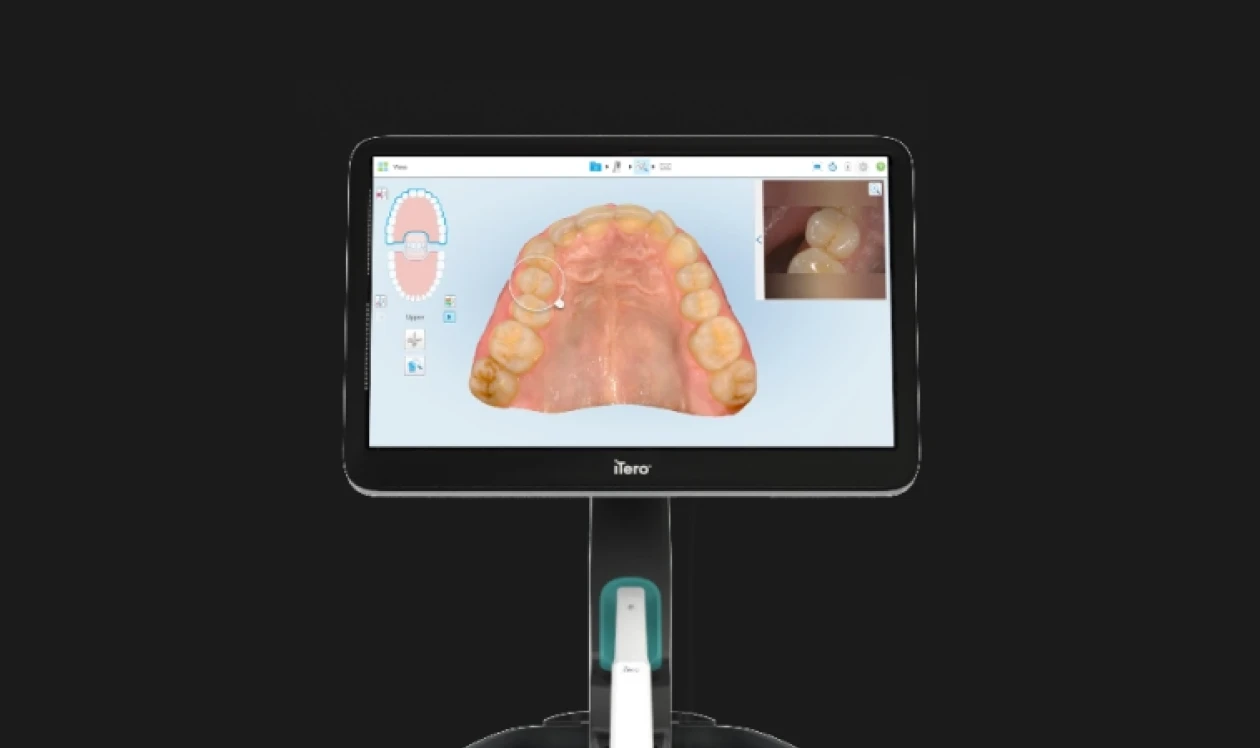
Dental Technology and Treatment Planning
Digital 3-D X-Ray System:
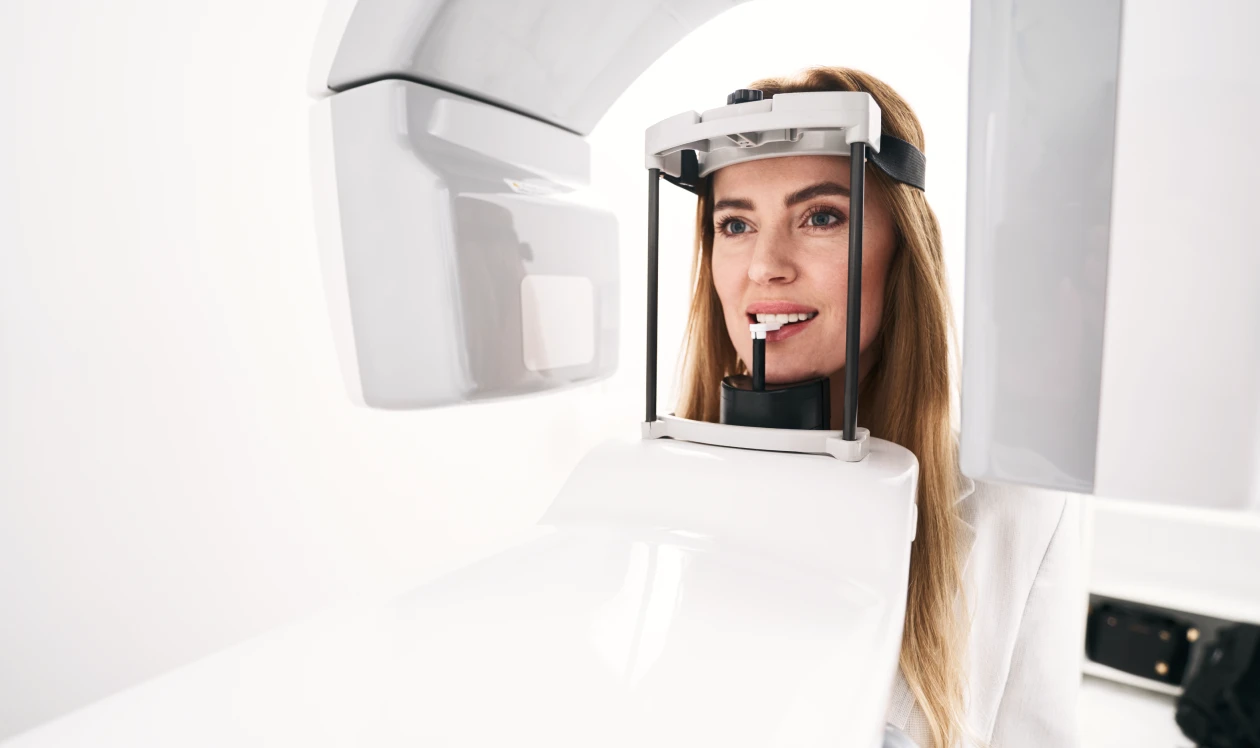
Three-dimensional imaging may be recommended where it is clinically relevant. Your dentist will explain why it is needed, the radiation exposure and any alternatives. Confirm which imaging services are available at this location.
Digital X-Ray Systems:
Digital X-rays can assist diagnosis and planning. Imaging is selected according to clinical need and should be considered alongside an examination and history.
Intraoral Cameras:
An intraoral camera can help record visible areas of the mouth.
Photographs may be used to document findings and explain treatment options.
Your clinician can discuss what the images show and any limitations.
Images supplement an examination and do not establish a diagnosis on their own.
Soft Tissue Laser:
A soft tissue laser may be used for selected procedures. Suitability and availability need confirmation. Laser treatment has risks and does not guarantee less pain, bleeding or a shorter recovery.
Invisalign: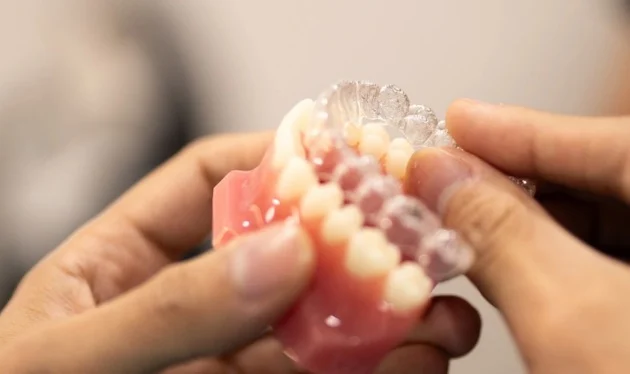
Invisalign uses a sequence of clear removable aligners to move teeth in suitable cases. An assessment is needed to compare it with other orthodontic options.
Aligners need to be worn as prescribed and reviewed during treatment. Discomfort, gum problems, root changes and relapse can occur. Retainers are usually required afterwards. Ask about risks, alternatives and the total treatment cost.