

Images are included for general illustration and do not establish or predict an individual treatment outcome.
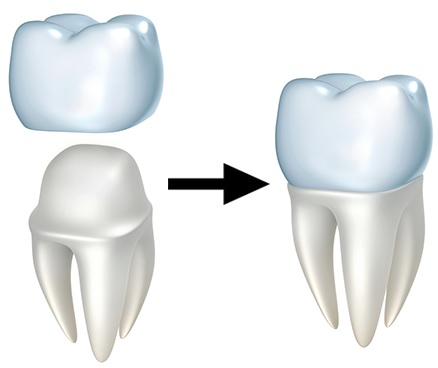
Start with the reason for treatment
If a crown has been suggested, ask what problem it is intended to address. A tooth with substantial damage may need a different restoration from one with a small defect. Your dentist should explain the findings and the options available for that tooth.
A crown is not required simply because you are getting older or because someone else has one. An individual assessment should guide the recommendation, including the condition of the gums and the amount of sound tooth remaining.
Compare the proposed options
Crowns can be made from different ceramic or metal-based materials. Ask why a particular material is being recommended, what tooth preparation it requires and how it relates to your bite. No material removes the need for ongoing care.
Confirm how many appointments are expected and whether a temporary crown will be needed. Contact the practice for a current written treatment plan and an explanation of the fees and inclusions. Historical website offers should not be treated as a current quote or warranty.
Understand the trade-offs
Preparing a tooth for a crown usually removes tooth structure permanently. Possible problems include sensitivity, an uncomfortable bite, gum irritation, loosening, chipping and decay at the edge. Repair, replacement or other dental treatment may be needed later.
Depending on the findings, a filling, partial-coverage restoration or monitoring may be an alternative. Ask what is likely to happen if you choose no treatment. Complex restorative care may involve referral to a prosthodontist. Your dentist should also explain aftercare and review arrangements.
Before proceeding with invasive treatment, consider seeking a second opinion from an appropriately qualified dental practitioner.
Planning recovery
Ask whether you will have a temporary crown and what to do if it becomes loose. Discuss eating, cleaning and any time away from work before treatment. Contact your dentist if the bite feels uncomfortable or pain persists.
Further reading
Healthdirect: dental crown procedure provides general patient information about this treatment. Discuss how it applies to your circumstances with your dentist.
Related articles
- Porcelain Crowns: Materials and Considerations
- CEREC and Laboratory Crowns: Comparing the Process
- Dental Crown Costs: Questions for Your Treatment Plan
This article provides general information only. An examination is needed to assess your circumstances and suitability for treatment. All dental treatment carries risks, and results vary between individuals.