

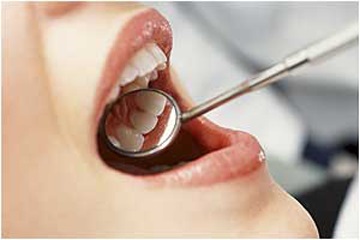
Images are included for general illustration and do not establish or predict an individual treatment outcome.
Prepare for your visit
Write down your main concerns and bring details of medicines, allergies and relevant medical conditions. Describe previous dental work and any recent change in symptoms. Ask whether earlier records or images would be useful and how to arrange them.
Confirm the appointment type and expected fees. A consultation does not automatically include every test or treatment, and availability for a particular procedure should be checked.
Discuss the assessment
The dentist may examine your teeth, gums and other mouth tissues and discuss tests when indicated. Ask for the findings to be explained, including uncertainty and whether a referral is needed.
If treatment is recommended, ask about its purpose, alternatives, risks, recovery and ongoing maintenance. Different problems may require different appointments; completing everything in one visit should not be assumed.
Leave with a clear plan
Confirm the proposed sequence, costs and review arrangements. Ask what to do if symptoms change before the next appointment. You can request time to consider the plan or seek a second opinion before invasive or irreversible treatment.
Related articles
- Planning a Dental Appointment in the City
- Understanding Dental Photographs and Galleries
- Managing Dental Costs Without Skipping Assessment
This article provides general information only. An examination is needed to assess your circumstances and suitability for treatment. All dental treatment carries risks, and results vary between individuals.